
Pruning
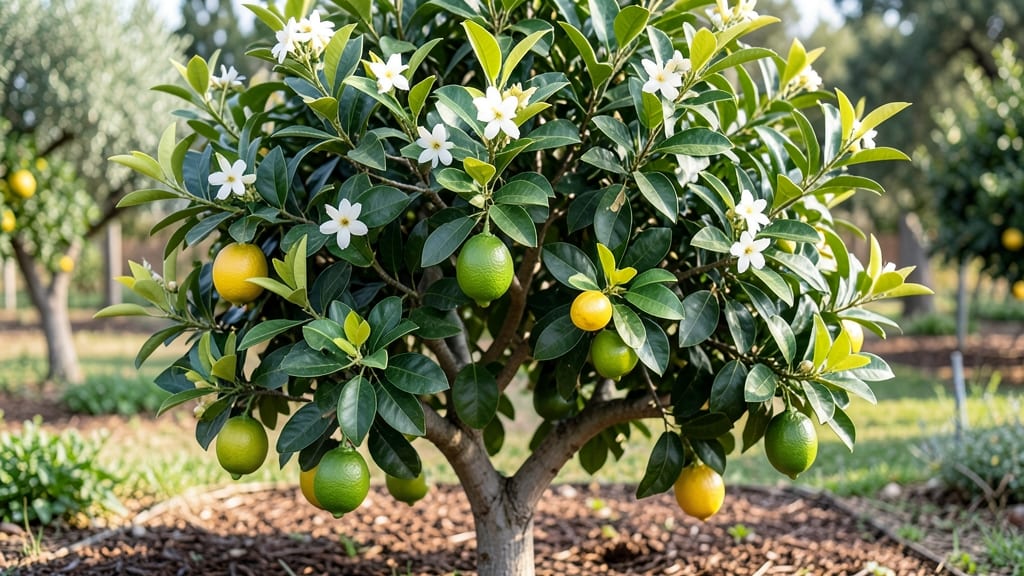
Your lime tree thrives best in zones 9–11, where frost never touches its delicate leaves. ✨ I learned the hard way—my first tree nearly died after a surprise late frost, but now I know the secret to keeping it lush year-round: strategic pruning and understanding its zone limits.
The right cuts make all the difference, especially when winter sneaks up in marginal zones like 8 or 12.
For cooler climates, dwarf varieties like 'Meyer' or 'Tahiti' become your best friends—they handle containers and indoor growing like pros. Standard trees? Move them to pots by fall and overwinter them under bright lights or in a garage.
The soil mix matters too: sandy, well-draining blends prevent root rot, while mulch keeps roots cozy in chilly zones.
Pruning isn’t just about shape—it’s about survival. In zones 9–11, prune lightly after harvest to encourage new growth, but in colder areas, hold off until spring to avoid frost damage. You’ll see glossy new leaves within weeks, and those fragrant blossoms? They’re your reward for patience.
Every zone has quirks: zone 11’s heat demands afternoon shade, while zone 8’s trees need winter wraps. The key is adapting without overcomplicating—just observe, adjust, and let your lime tree’s natural resilience do the rest.
📚 In This Guide
- What you need
- Instructions
- Tips and common mistakes
- Wrapping up and next steps
What you need
- ● Pruning shears: Bypass pruners (sharp, 6–8" blades) for clean cuts on small branches. Quantity: 1 pair.
- ● Loppers: Bypass or anvil type (8–12" blades) for thicker branches (½"–1.5" diameter). Quantity: 1 pair.
- ● Pruning saw: Curved-tooth or folding saw for branches over 1.5" in diameter. Quantity: 1.
- ● Disinfectant: 70% isopropyl alcohol or diluted bleach solution (1 part bleach to 9 parts water) to sterilize tools between cuts. Quantity: Small bottle or spray.
- ● Gloves: Heavy-duty, cut-resistant (to protect from thorns and sap). Quantity: 1 pair.
- ● Lime tree pruning guide: Printed or digital reference (e.g., USDA zone map, pruning timeline for your climate). Quantity: 1.
- ● Extension pole: For hard-to-reach branches (3–6 ft). Tip: Look for one with a built-in pruner attachment!
- ○ Sealing wax: Pruning sealant (optional for large cuts to prevent disease). Quantity: Small jar.
- ● Trash bags: Heavy-duty (for collecting pruned branches). Quantity: 1–2.
- ● Safety glasses: To shield eyes from debris.
- ● Knee pads: For comfort if you’re working on the ground.
Instructions for pruning lime trees to encourage year-round growth
Here’s how I keep my lime trees thriving—with simple cuts that boost fruit production and health.
🌿 Step 1: Prune at the Right Time for Maximum Growth
Timing matters most. For citrus trees like lime, I prune during late winter or early spring, just as new growth begins. This gives the tree time to heal before summer heat arrives. Avoid pruning in fall—it leaves wounds exposed to cold damage and pests.
Look for dormant branches that haven’t leafed out yet. These are safe to remove. If you see fresh leaves or buds, wait—you’re cutting into next season’s growth. I always prune on a dry, sunny day to reduce stress on the tree and prevent fungal issues.
✂️ Step 2: Remove Dead, Diseased, or Crowded Branches First
Start by eliminating anything that’s clearly dead, diseased, or crossing other branches. Dead wood is easy to spot—it’s brown, brittle, and doesn’t bend. Diseased branches often have dark spots, oozing sap, or unusual growths. Cut these back to healthy green wood just below the problem area.
Next, tackle crowded branches. Lime trees need airflow to prevent fungal diseases. If branches rub against each other or block sunlight from reaching the center of the tree, trim them back to 1/4-inch above an outward-facing bud. This encourages new growth in the right direction.
☀️ Step 3: Thin Out Interior Branches for Better Sunlight
Lime trees produce more fruit when sunlight reaches the inner canopy. I focus on removing branches that grow straight up or inward, as these create shade and reduce airflow. Aim to open up the center of the tree so light can penetrate to the inner third of the foliage.
Use clean, sharp pruners to make cuts at a 45-degree angle just above a leaf node or bud. Avoid leaving stubs—these can rot and attract pests. If you’re unsure which branch to cut, hold your hand where you plan to prune and imagine the tree’s shape. The goal is an open, vase-like form.
🌱 Step 4: Shape the Tree for Balance and Airflow
Now it’s time to refine the tree’s shape. I start at the bottom and work my way up, removing branches that grow too close together or disrupt the natural form. For young lime trees, I keep a central leader (the main upward-growing branch) and remove competing vertical shoots.
For mature trees, I focus on maintaining a rounded canopy with branches spaced 12-18 inches apart. This spacing prevents overcrowding and makes it easier to harvest fruit. Step back often to check your progress—you want a tree that looks balanced and full of light.
💧 Step 5: Clean Up and Protect the Tree After Pruning
After pruning, rake up all the clippings and dispose of them in the trash—never compost citrus trimmings, as they can harbor pests. Sterilize your pruners with rubbing alcohol to prevent spreading disease between cuts.
Apply a balanced citrus fertilizer (like 6-6-6) around the base of the tree to support new growth. Water deeply right after pruning to help the tree recover. Avoid heavy watering for the first 24 hours, though, to let small wounds dry and seal naturally.
Tips & tricks for pruning lime trees for year-round growth
These simple strategies will help you prune like a pro—without stressing your lime tree or yourself.
Timing is Everything: The late winter to early spring window is critical because it gives your lime tree time to heal before summer's heat stress. I’ve learned the hard way that pruning in fall can leave wounds vulnerable to cold damage and pests. If you miss this window, don’t worry—just wait until the next dormant season. The key is to prune when you see dormant branches that haven’t leafed out yet.
Tool Prep Makes All the Difference: Before you even touch a branch, sterilize your pruners with rubbing alcohol. This prevents spreading disease between cuts, which is especially important for citrus trees that are prone to fungal issues. I also recommend using clean, sharp pruners—dull blades can crush branches instead of making clean cuts, which slows healing and invites infections.
Visual Cues for Perfect Cuts: When shaping your tree in Step 4, imagine holding a flashlight at the center of the tree. Your goal is to remove branches that block light from reaching the inner third of the foliage. For young trees, keep that central leader strong and remove any competing vertical shoots that grow upward. For mature trees, aim for branches spaced 12-18 inches apart—this spacing prevents overcrowding and makes harvesting easier.
Post-Pruning Recovery: After you’re done cutting, resist the urge to water heavily right away. Let those small wounds dry and seal naturally for the first 24 hours. I’ve seen too many gardeners overwater immediately after pruning, which can actually delay healing. Instead, apply a balanced citrus fertilizer like 6-6-6 around the base to give your tree the nutrients it needs for new growth.
Pro Tips for Lime Tree Zone
- These simple strategies will help you prune like a pro—without stressing your lime tree or yourself.
- Timing is Everything: The late winter to early spring window is critical because it gives your lime tree time to heal...
- Tool Prep Makes All the Difference: Before you even touch a branch, sterilize your pruners with rubbing alcohol. This...
Frequently asked questions
Got questions about keeping your lime tree thriving in the right zone? We’ve got answers!
Whether you're troubleshooting growth issues or planning your next pruning session, these FAQs will help you master the lime tree zone like a pro.
What’s the best time of year to prune a lime tree in its ideal zone?
The best time to prune lime trees is late winter or early spring (before new growth starts) in USDA zones 9-11. For colder zones (8 or below), wait until after the last frost—typically late spring. Avoid heavy pruning in summer or fall, as it stresses the tree and can invite pests.
Can I prune a lime tree in winter if I live in a colder zone?
Pruning in winter (before dormancy) is risky in colder zones (8 or below) because frost can damage exposed cuts. If you must prune, do it lightly in late winter, focusing on removing dead branches. Wait for spring warmth to tackle major shaping or fruit-bearing branches.
How do I know if I’m over-pruning my lime tree?
Over-pruning shows up as stunted growth, sparse foliage, or no fruit. If you’ve removed more than 25% of the canopy in one session, you’re likely overdoing it. Lime trees are sensitive—stick to 10-20% annual pruning for healthy growth. Signs of recovery? New shoots by spring!
Are there alternatives to traditional pruning for lime trees in tough zones?
Yes! If your lime tree struggles with cold, try selective pruning to protect the core structure, or use mulching (3-4 inches of organic mulch) to insulate roots. For dwarf varieties, container growing lets you move the tree indoors during frost. Just avoid heavy pruning—focus on protection over shaping.
Why are my lime tree’s leaves yellowing after pruning?
Yellowing leaves post-pruning usually mean nutrient loss or over-pruning stress. Boost care by:
- Fertilizing with citrus-specific food (high in nitrogen).
- Watering deeply 2-3 times weekly (lime trees hate dry soil!).
- Checking for pests (aphids, mites)—treat with neem oil if needed.
Wrapping up and next steps
Mastering the lime tree zone pruning secrets unlocks a world of vibrant, healthy growth year-round! With the right tools, timing, and techniques—like thinning cuts, shaping, and disease prevention—you’re well on your way to a thriving tree that rewards you with luscious fruit and stunning foliage. 🌿✨
Ready to take action? Start by scheduling your next pruning session—whether it’s for spring blooms or winter cleanup—and watch your lime tree flourish like never before. Your green thumb is about to shine brighter than ever!