
Pruning
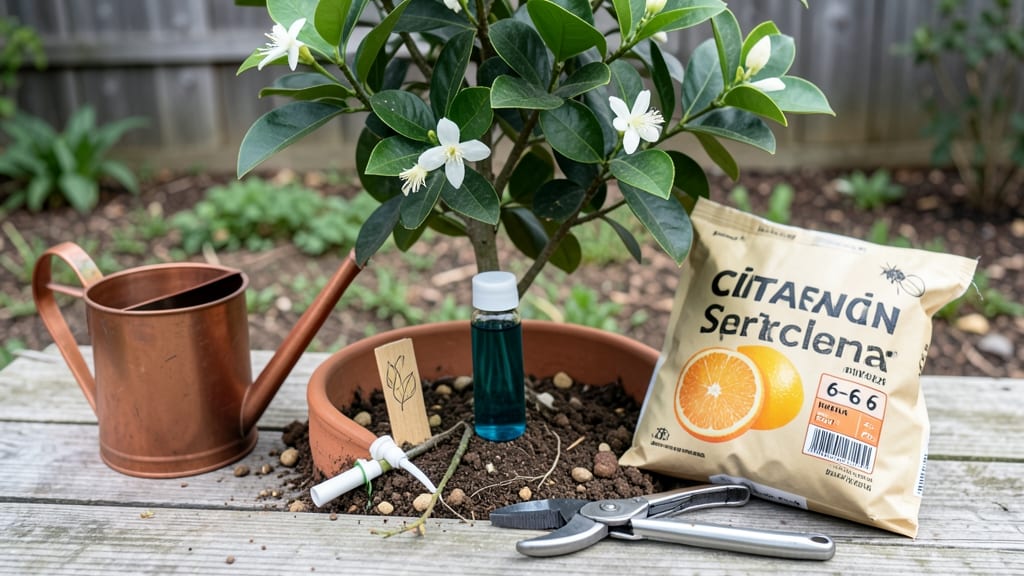
Your lime tree not fruiting often starts with one overlooked step: dormant-season pruning. 🌿 I’ve seen trees with perfect sunlight, soil, and water still skip blooms because their structure wasn’t shaped for fruit production—until I fixed it.
The key is timing and technique: prune in late winter or early spring (before buds swell) to encourage strong, fruiting branches. Remove dead wood, cross branches, and thin crowded growth to improve airflow and light penetration. This isn’t just about looks—it’s about redirecting energy where it counts.
You’ll notice new growth within weeks, and by next season, those branches will be heavy with lime blossoms. The secret? Prune with purpose: cut back 20-30% of the tree’s oldest wood to stimulate fresh, productive shoots. This works for both Meyer and Persian lime trees, even in containers.
Let’s get those branches blooming!
Hidden Factors Blocking Fruit Growth
If your lime tree is standing tall but refusing to bear fruit, the issue likely stems from environmental or biological factors that disrupt its natural flowering and fruiting cycle. Understanding these causes is the first step toward restoring productivity.
Below, we break down the key reasons why your lime tree might be skipping fruit production—along with actionable insights to address them.
Lime trees, especially Citrus aurantifolia (key lime), often require cross-pollination to set fruit. If your tree is isolated or lacks compatible pollinators (like bees or butterflies), fertilization fails, and flowers drop without developing into fruit.
- Self-sterile varieties: Some lime cultivars (e.g., 'Mexican' or 'Bearss') need another lime or citrus tree nearby for cross-pollination. If you’re growing just one tree, this could be the culprit.
- Poor pollinator activity: Urban areas with pesticide use, lack of flowering plants, or cold snaps can deter bees. Even if your tree blooms, flowers may not be pollinated effectively.
- Wind-pollinated limes: A few varieties (like 'Tahiti' lime) rely on wind, but this is far less efficient than insect pollination.
💡 Pro Tip: Plant a second lime tree (or a compatible citrus like a lemon or orange) within 50 feet to encourage cross-pollination. If pollinators are scarce, hand-pollinate with a small brush during peak bloom (early morning when flowers are open).
Lime trees are tropical and thrive in specific conditions. Deviations from their ideal environment can trigger abscission (premature flower drop) or prevent blooming altogether. Common stressors include:
| Factor | How It Affects Fruit Production | Solution |
|---|---|---|
| 🌡️ Temperature extremes | Limes need consistent warmth (60–90°F). Cold snaps (<40°F) or heatwaves (>100°F) can shock the tree, causing flower buds to abort. Dormancy in winter also halts blooming. | Use frost cloth in winter, mulch to regulate soil temp, and provide afternoon shade in hot climates. |
| 💧 Water stress | Over- or under-watering disrupts nutrient uptake and flowering hormones. Limes prefer consistent moisture but hate soggy roots. | Water deeply 2–3 times per week (adjust for climate). Use drip irrigation to avoid wetting foliage. |
| 🌿 Nutrient imbalances | Too much nitrogen (from fertilizer) promotes leafy growth at the expense of flowers. Deficiencies in phosphorus (P) or potassium (K) also hinder blooming. | Test soil and apply a balanced citrus fertilizer (e.g., 6-6-6) in early spring. Avoid high-nitrogen lawn fertilizers. |
| 🌬️ Wind or salt exposure | Strong winds desiccate flowers, while coastal salt spray can burn foliage, reducing energy for fruit production. | Plant near a windbreak (e.g., bamboo fence) or use shade cloth. Flush soil with fresh water if near saltwater. |
Hidden invaders can sap your tree’s energy, leaving it too weak to flower or fruit. Watch for these culprits:
- 🐜 Aphids, scale, or spider mites: These sap-sucking pests weaken the tree by reducing photosynthesis. Heavy infestations can cause flower buds to drop.
- 🍄 Fungal diseases (e.g., citrus greening, root rot): Huanglongbing (HLB) and Phytophthora disrupt nutrient transport, leading to stunted growth and no fruit.
- 🐛 Citrus leaf miners or borers: Larvae burrow into leaves/stems, causing stress that halts flowering.
🔍 Action Steps:
- Inspect leaves for sticky residue (aphids), white cottony patches (scale), or webbing (spider mites). Treat with neem oil or insecticidal soap.
- Look for yellowing leaves with green veins (HLB) or mushy stems (root rot). Remove infected branches and sterilize pruners.
- Encourage beneficial predators (ladybugs, lacewings) by planting companion flowers like marigolds.
Lime trees flower in response to day length and temperature shifts. If you prune or stress the tree at the wrong time, it may skip flowering entirely.
- ✂️ Late-season pruning: Pruning after mid-summer removes next year’s flower buds, which form on new growth.
- 🌳 Over-pruning or topping: Severe cuts reduce the tree’s ability to photosynthesize, leaving it energy-starved for blooms.
- 🌡️ Dormant-season neglect: Limes in cooler climates need light winter pruning to encourage spring growth—but avoid heavy cuts.
💡 Pro Tip: Prune only in late winter/early spring (just before blooming season). Focus on opening the canopy for sunlight and removing dead wood—never cut more than 25% of the tree at once.
By addressing these root causes—whether it’s pollination gaps, environmental stress, pests, or pruning errors—you’ll give your lime tree the best chance to burst into bloom and finally reward you with a bountiful harvest. Stay tuned for our next section on season-specific pruning techniques to maximize next year’s fruit production! 🍋✨
Revive Your Lime Tree’s Fruit Potential
If your lime tree is playing hard-to-get with fruit, don’t panic—there’s always a way to turn things around. The key is addressing the root causes (literally and figuratively) with targeted fixes.
Below, we’ve mapped out practical solutions for each common issue, plus pro tips to keep your tree thriving for years to come. Let’s get that tree back in the fruit game! 🍋✨
Lime trees (especially self-pollinating varieties like Citrus aurantiifolia) sometimes need a little help to set fruit. If bees or wind aren’t doing their job, try these steps:
- 🐝 Hand-Pollinate Like a Pro Use a soft paintbrush or cotton swab to gently transfer pollen from one flower to another. Do this on a dry morning when flowers are open—aim for 10–15 flowers per branch. Pro tip: Focus on flowers that are fully open but haven’t yet dropped their petals for the best results.
- 🌿 Attract Pollinators Naturally Plant bee-friendly flowers nearby (like lavender, marigolds, or basil) to lure in pollinators. Avoid pesticides during bloom season—even "organic" sprays can harm bees. Pro tip: Add a shallow water source (like a birdbath with pebbles) to give bees a drink.
- 🕰️ Time It Right Lime trees bloom in spring (or year-round in warm climates). Pollinate flowers in the morning when humidity is low and pollen is most active. Repeat every 2–3 days for 2–3 weeks.
Lime trees are sun-worshippers, and too little (or too much) light can stunt fruit production. Here’s how to dial in the perfect growing conditions:
- 🌞 Maximize Sun Exposure Move potted trees to a spot with 6–8+ hours of direct sunlight daily. In-ground trees? Prune nearby shade trees or structures to open up the canopy. Pro tip: South-facing windows or balconies work well for containers.
- 🌡️ Adjust for Temperature Extremes
- 🔥 Too Hot? If temps exceed 90°F (32°C), provide afternoon shade with a sheer curtain or shade cloth (30–50% coverage). Mulch the soil to keep roots cool.
- ❄️ Too Cold? Lime trees need winter chill (40–50°F / 4–10°C for 2–3 months). If you’re in a frost-free zone, simulate chill by placing trees in a cooler garage or basement for 4–6 weeks in winter.
- 💧 Water Wisely Over- or under-watering stresses trees. Keep soil consistently moist but not soggy—aim for 1–2 inches of water per week (more in extreme heat). Use drip irrigation to avoid wetting leaves (which can cause fungal issues).
Yellow leaves, stunted growth, or sparse blooms? Your lime tree might be hungry—or malnourished. Fix it with these targeted fixes:
| Symptom | Likely Deficiency | Solution |
|---|---|---|
| Yellowing lower leaves | Nitrogen (N) | Apply a balanced citrus fertilizer (e.g., 6-6-6 or 8-3-9) in early spring. Use ½ the recommended dose to avoid burning roots. Pro tip: Top-dress with compost for slow-release nitrogen. |
| Yellowing new leaves + weak stems | Magnesium (Mg) or Iron (Fe) | Sprinkle Epsom salt (1 tbsp per gallon of water) or a chelated iron supplement on the soil monthly. For severe cases, inject fertilizer into the drip system. |
| Small, dark green leaves + poor blooms | Phosphorus (P) or Potassium (K) | Switch to a high-phosphorus fertilizer (e.g., 10-10-10) at ¼ strength during bloom season (late winter/early spring). Avoid overdoing potassium—too much can reduce fruit quality. |
| Slow growth + weak wood | Zinc (Zn) or Calcium (Ca) | Apply a citrus micronutrient blend or drench roots with a zinc sulfate solution (1 tsp per gallon of water). For calcium, use lime (not quicklime!) sparingly if soil pH is too low (<6.0). |
💡 Pro Tip: Test your soil every 2–3 years with a citrus-specific kit (available at garden centers). pH should be 6.0–7.0—adjust with sulfur (to lower pH) or lime (to raise it) as needed.
Pruning isn’t just about shaping—it’s about encouraging fruit production. Here’s how to prune for maximum yields:
- 🔪 When to Prune
- 🌸 Dormant Season (Winter): Prune after the last frost but before new growth starts (late winter/early spring). This removes dead wood and shapes the tree for spring blooms.
- 🍃 Post-Harvest (Fall): Lightly prune to improve airflow and reduce disease risk. Avoid heavy cuts—this stresses the tree before winter.
- 🌿 How to Prune for Fruit
- 🌿 Remove Suckers & Water Sprouts: These steal energy from fruit production. Cut them at the base with clean, sharp pruners.
- 🍃 Thin Out Dense Foliage: Aim for an open canopy with good airflow. Remove up to 20–30% of the canopy in dormant season to redirect energy to fruit-bearing branches.
- 🌱 Encourage New Growth: Prune just above a leaf node (the bump where leaves grow) to stimulate new branches. Avoid cutting into old wood—lime trees fruit best on current-season growth.
- 🧹 Clean Up Like a Pro Sterilize pruners with rubbing alcohol between cuts to prevent disease spread. Remove all pruned debris from the area to reduce pests and fungi. Pro tip: Mulch around the base with wood chips to retain moisture and deter weeds.
An ounce of prevention is worth a pound of cure! Keep your lime tree happy and fruiting with these long-term strategies:
- 🌱 Choose the Right Variety
- For self-pollinating ease: ‘Bearss’ or ‘Mexican’ lime.
- For larger fruit: ‘Tahiti’ (but may need cross-pollination
Frequently asked questions
Why does my lime tree bloom but never produce fruit?
This usually means pollination isn't happening properly. Lime trees often rely on bees or wind for pollination. If you're in an urban area with few pollinators or have a self-sterile variety, try hand-pollinating with a small brush during morning hours when flowers are open. Planting bee-friendly flowers nearby can also help attract natural pollinators.
Can lime trees fruit in containers?
Yes, but they need the right conditions. Use a large container with drainage holes and well-draining citrus soil mix. Ensure it gets 6-8 hours of sunlight daily and water consistently. Container-grown trees may need more frequent fertilizing (every 4-6 weeks) during growing season to compensate for limited root space.
How long does it take for a lime tree to bear fruit after planting?
Young lime trees typically take 3-5 years to bear fruit when grown from seed, while grafted trees can produce fruit in as little as 1-2 years if conditions are ideal. Patience is key—focus on proper care during the first few years to establish a healthy tree that will eventually reward you with fruit.
What's the best fertilizer for lime trees to encourage fruiting?
Use a balanced citrus fertilizer with equal parts nitrogen, phosphorus, and potassium (like 6-6-6) during spring and summer. For flowering and fruiting, switch to a high-phosphorus formula (like 10-10-10) in early spring. Avoid high-nitrogen fertilizers which promote leafy growth at the expense of flowers and fruit.
Can I force my lime tree to fruit indoors?
Indoor lime trees can fruit, but they need perfect conditions: bright light (grow lights work), consistent warmth (65-75°F), and proper pollination. Hand-pollination is essential. Be patient—indoor trees may take longer to fruit than outdoor ones. Consider moving potted trees outside during warm months for better results.