
How To
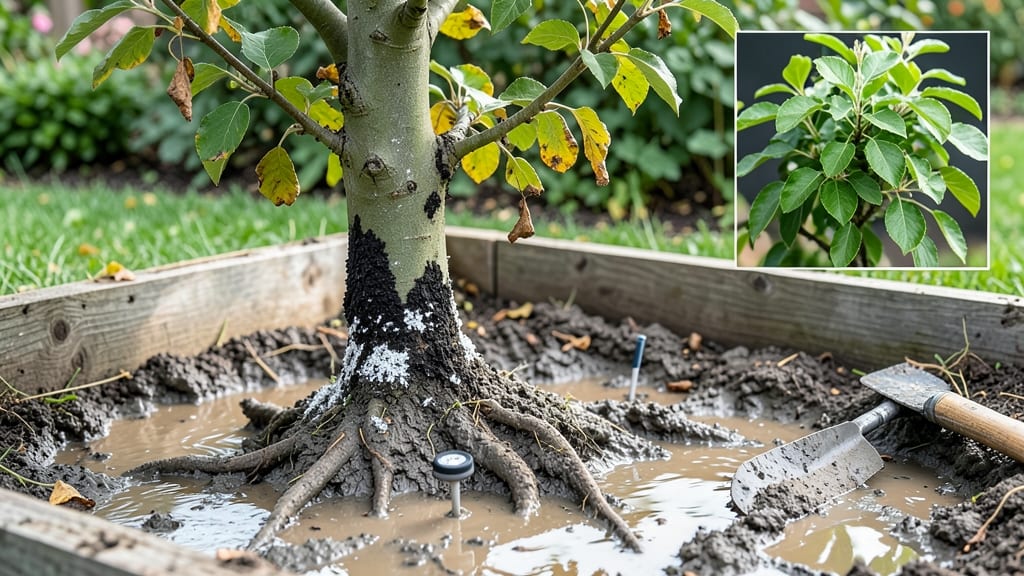
How to tell if your tree is overwatered—those yellowing leaves might not be a disease, but a warning sign of too much water. 🌳 I’ve watched healthy oaks and maples turn into soggy messes from overzealous watering (yes, love can be overkill), and the signs are often subtle until it’s too late. The first clue? Leaves that stay yellow even after you water, or that wilt despite damp soil.
Here’s the real test: dig down 2–3 inches. If the soil smells like a swamp or feels mushy, your tree’s roots are drowning. Overwatered roots turn brown and soft, while healthy ones are firm with a slight white outer layer.
Compare this to underwatering—dry soil cracks and pulls away from the pot or ground.
Fix it fast by cutting back watering to once a week (or less in rainy climates) and improving drainage. Raise containers, add gravel to in-ground plantings, or prune yellowed leaves to redirect energy. Most trees bounce back in 4–6 weeks with the right care—just don’t smother them again.
This works for oaks, citrus, and even houseplants. The key? Less frequent, deeper watering that mimics natural rainfall. Now grab that trowel and check your soil—your tree’s life depends on it.
📚 In This Guide
- What you need
- Instructions
- Tips and common mistakes
- Wrapping up and next steps
What you need
- ● Garden trowel or small shovel – For gently lifting soil or roots (a 6-8 inch blade works best).
- ● Moisture meter – A soil moisture sensor (digital or analog) to check moisture levels at different depths (0-6 inches).
- ● Gloves (waterproof or gardening gloves) – Protects hands from dirt, sharp roots, or potential mold.
- ● Notebook + pen – To log observations like leaf color, soil texture, or root condition.
- ● Bucket or container (5-gallon minimum) – For collecting soil samples or excess water if draining.
- ● Ruler or measuring tape – To assess root depth or soil compaction (12-inch tape is ideal).
- ● Pruning shears (sterilized) – For inspecting small root samples or trimming affected branches.
- ● Watering can or hose with adjustable nozzle – To test drainage or rehydrate if needed.
- ● pH testing kit – Overwatering can alter soil pH; test if leaves show unusual discoloration.
- ● Root viewer or clear plastic tube – For non-invasive root inspection (great for potted trees!).
- ● Camera or smartphone – Document symptoms before/after adjustments for tracking progress.
- ● Mulch (organic, like shredded bark) – If adjusting watering habits, mulch helps regulate moisture.
- ● Drainage test kit (DIY) – A simple plastic bottle with holes can mimic a percolation test.
Step-by-Step guide to diagnosing and fixing overwatered trees
Here's how I identify waterlogged trees—and the simple fixes that save them.
🌿 Step 1: Check the Soil for Wetness and Root Conditions
Dig a small hole about 6 inches deep near the tree's drip line. If the soil feels soggy or smells like rotting vegetation, that's your first sign of overwatering. Healthy soil should feel moist but not waterlogged—think of a damp sponge that still holds its shape when squeezed.
Look for roots too. Healthy roots are firm and white or tan. If they're mushy, dark, or crumble at the touch, root rot has already set in. This is especially common in clay-heavy soils where water pools instead of draining. I've seen trees with perfectly green tops but completely rotted roots—don't let that happen to yours.
💧 Step 2: Examine the Leaves for Water Stress Signs
Yellowing leaves are the most obvious clue, but pay attention to the pattern. Overwatered trees often show yellowing between the leaf veins first (called chlorosis), while underwatered trees yellow from the edges inward. The leaves might also feel soft or droop even when the soil is wet.
Another telltale sign: new growth that looks weak or stunted. If your tree has leaves that stay small, pale, or develop brown spots despite regular watering, it's likely drowning in its own pot or soil. I once had a young maple with bright yellow leaves that kept falling—turns out the roots were suffocating in compacted soil.
☀️ Step 3: Assess the Tree's Growth and Bark Health
Healthy trees grow steadily, with firm bark that doesn't peel easily. If the bark feels soft or oozes sap when touched, that's a red flag. Overwatered trees may also develop fungal issues like cankers or powdery mildew, especially in humid climates. Check the trunk and larger branches for unusual discoloration or growths.
Look at the overall growth pattern too. A tree struggling with too much water might push out weak, spindly branches instead of strong, sturdy limbs. The crown (the upper part of the tree) may look uneven, with some areas growing faster than others—a sign the roots aren't getting enough oxygen.
✂️ Step 4: Adjust Watering and Improve Drainage Immediately
If you confirm overwatering, stop watering entirely for 2-3 weeks unless your area experiences extreme heat. Let the soil dry out completely before resuming a normal watering schedule. Most trees need 1-1.5 inches of water per week, including rainfall—check with your finger to see if the top 2-3 inches of soil are dry before watering again.
Improve drainage by amending the soil with organic matter like compost or pine bark fines. If your tree is in a container, ensure the pot has drainage holes and consider repotting into a larger container with fresh, well-draining soil. For in-ground trees, avoid mulch volcanoes—keep mulch 3-4 inches deep and 6 inches away from the trunk to prevent water pooling.
🪴 Step 5: Monitor and Support Recovery
After adjusting watering, keep an eye on the tree for 4-6 weeks to see if it stabilizes. New growth should firm up, and yellowing leaves may drop naturally as the tree focuses energy on healthy roots. If the tree shows no improvement, it might need professional help—root rot can be fatal if left untreated.
To speed recovery, apply a balanced fertilizer (like 10-10-10) in early spring to help the tree rebuild strength. Avoid heavy fertilizers immediately after correcting overwatering—the tree needs to focus on root health first. I've seen trees bounce back surprisingly fast once they're given the right conditions, so don't lose hope if yours looks rough at first.
Tips & tricks for diagnosing and saving overwatered trees
Real talk: I've seen too many trees with perfect green tops hiding completely rotted roots from overwatering. Here's what nobody tells you—these details make all the difference in saving your trees.
Soil Test Technique: When checking that 6-inch hole in Step 1, press your finger into the soil. If water drips out or the soil stays clumped in your hand even after squeezing, that's your clear sign of overwatering. Healthy soil should crumble easily when dry and hold its shape when damp—like a well-worn sponge. I've learned this the hard way after losing three azaleas to root rot because I couldn't tell the difference between moist and waterlogged.
Leaf Pattern Clues: The yellowing pattern in Step 2 is your secret code. Overwatered trees show chlorosis (yellowing between veins) first, while underwatered trees yellow from the edges. Pro tip: Run your thumb along the leaf edge—if the yellowing starts at the tip and moves inward, it's thirst. If it's between veins, it's drowning. I once thought my oak was dying from drought until I noticed the vein pattern and realized it was actually overwatered.
Bark and Branch Check: In Step 3, don't just look at the bark—touch it. Healthy bark should feel firm and slightly rough, like sandpaper. Soft, spongy bark that oozes when pressed is a red flag. Also check for uneven growth patterns in the crown. If one side of the tree is pushing out weak, spindly branches while the other looks healthy, that's your tree's way of telling you the roots aren't getting enough oxygen on one side.
Recovery Timeline: The 4-6 week monitoring period in Step 5 is non-negotiable. I've seen trees that looked hopeless after 2 weeks suddenly show new growth at the 5-week mark. Mark your calendar and take photos weekly to track progress. If you see new leaves that are darker green and firmer than the old ones, that's your tree telling you it's recovering. And remember—patience is key. I've had to resist the urge to water too soon after stopping, even when the leaves looked sad.
Pro Tips for Tell If Tree Is Overwatered
- Real talk: I've seen too many trees with perfect green tops hiding completely rotted roots from overwatering. Here's ...
- Soil Test Technique: When checking that 6-inch hole in Step 1, press your finger into the soil. If water drips out or...
- Leaf Pattern Clues: The yellowing pattern in Step 2 is your secret code. Overwatered trees show chlorosis (yellowing ...
Frequently asked questions
Got questions about overwatering your trees? You’re not alone! Here are answers to the most common concerns—plus some quick troubleshooting tips to keep your greenery thriving.
How often should I water my tree to avoid overwatering?
Water deeply 1-2 times per week (depending on soil type and climate), but always let the top 2-3 inches of soil dry out between waterings. Overwatering is more common than you think—especially in heavy clay or poorly draining soil. Check soil moisture with your finger before reaching for the hose!
Why are there mushrooms growing at the base of my tree?
Mushrooms near your tree’s base are a red flag—they thrive in soggy, oxygen-deprived soil, often signaling root rot from overwatering. While some mushrooms are harmless, they indicate poor drainage. Act fast by improving aeration and adjusting your watering routine.
Can I fix an overwatered tree, or is it too late?
Not all hope is lost! If you catch the issue early (yellowing leaves, mushy roots), you can revive your tree by:
- Stopping water for 1-2 weeks
- Improving drainage with mulch or sand
- Pruning damaged roots (if severe)
How long does it take for overwatering damage to show?
Signs of overwatering can appear in days to weeks, depending on the tree species and soil type. Leaf yellowing (chlorosis) and leaf drop are early warnings, while root rot and fungal growth take 2-4 weeks to manifest. Act at the first sign—prevention is easier than repair!
What’s the difference between overwatering and underwatering?
Here’s a quick cheat sheet:
Overwatered
Underwatered
Yellow, mushy leaves; mushrooms; foul odor
Brown, crispy edges; dry soil; wilting
Soft, rotten roots
Hard, dry roots
Slow growth, leaf drop
Slow growth, stunted leaves
Stick your finger in the soil—if it’s soggy, you’re overdoing it. If it’s bone-dry, it’s time to hydrate!
Wrapping up and next steps
Spotting the signs of an overwatered tree—like yellowing leaves, mushy roots, or moldy soil—can save your green friend before it’s too late! 🌱 Now that you’re armed with the know-how, take action: adjust your watering habits, improve drainage, and give your tree the care it truly needs. Your next step? Start small—check the soil moisture weekly and observe your tree’s progress.
With patience and the right approach, even a struggling tree can bounce back to healthy, vibrant life!