
How To
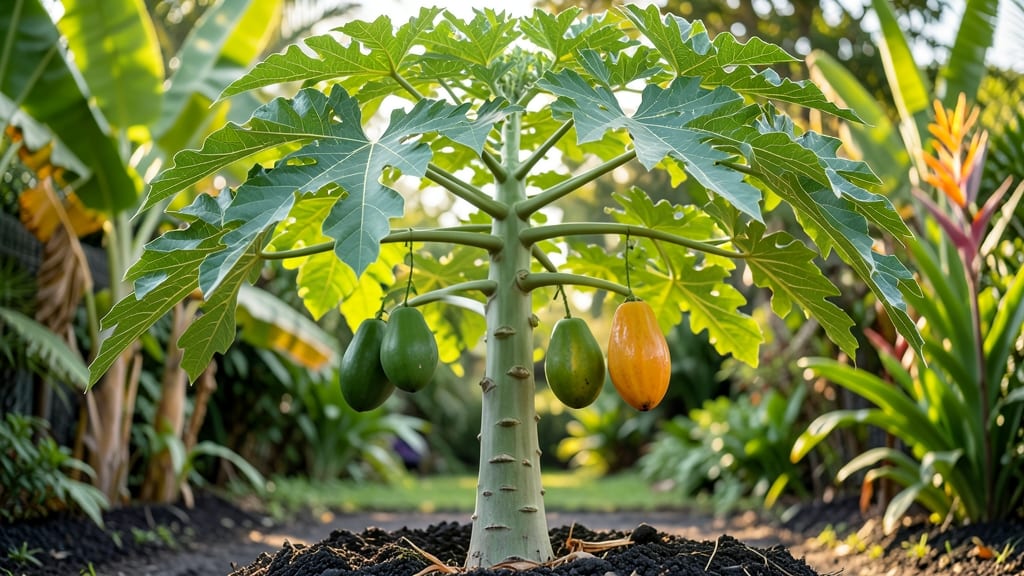
A papaya tree can grow how tall depends on the variety, care, and climate—so knowing what to expect helps you plan for its rapid ascent.
Picture this: your backyard transformed into a tropical oasis, with a papaya tree 🍈 shooting up faster than you can say "harvest season." That’s the reality for many gardeners in zones 10-12, where these trees thrive year-round.
But even in cooler microclimates (like Zone 9b), the right variety can reach 15 feet in just two years.
The key to controlling height lies in variety selection and pruning. Dwarf types? There aren’t any—most papayas are either standard or fast-growing giants. However, strategic pruning and support systems can keep your tree manageable while maximizing fruit production.
In this guide, I’ll break down how fast your papaya tree will grow, the best varieties for space constraints, and the fastest ways to shape its height—without sacrificing those sweet, tropical fruits.

Papaya tree height by variety: dwarf to giant growth comparisons
Choosing the right papaya variety is the first step in controlling your tree’s height. Some varieties like 'Red Maradol' can reach 20-30 feet in ideal conditions, while others like 'SunUp' stay more compact.
Understanding these differences helps you plan for container gardening or open-space planting. For example, a 5-gallon pot might work for dwarf types, but a 10-foot clearance is needed for standard varieties.
Most papaya trees grow rapidly in warm climates, with 3-5 feet in their first year and 10-15 feet by year two. However, pruning techniques and support structures can influence final height.
If you’re in USDA Zones 10-12, expect faster growth due to year-round warmth. Even in Zone 9b, with proper care, your tree can still reach 15 feet within two years.
Here’s how popular varieties compare in height and growth habits:
| Variety | Mature Height | Growth Rate (First Year) | Best For | Notes |
|---|---|---|---|---|
| 'SunUp' | 10-15 ft | 3-5 ft | Containers, small yards | Compact, early fruiting |
| 'Red Maradol' | 20-30 ft | 5-8 ft | Large gardens, tropical climates | Fast-growing, needs support |
| 'Solo' | 12-18 ft | 4-6 ft | Balconies, small spaces | Self-pollinating, moderate height |
| 'Kapoho Solo' | 15-20 ft | 4-7 ft | Open gardens, warm zones | Cold-hardy for papaya, large fruit |
| 'Golden Honey' | 18-25 ft | 5-7 ft | Tropical backyards | Sweet fruit, needs space |
If you’re growing papaya in containers, opt for 'SunUp' or 'Solo', which stay under 15 feet. These varieties are ideal for patios or balconies in 5-gallon pots or larger.
For open gardens, 'Red Maradol' or 'Golden Honey' will dominate your landscape but require pruning and support to manage their height.
Even with dwarf varieties, papaya trees grow quickly—expect 3-5 feet in their first year. To slow growth, prune regularly and provide balanced fertilization. Avoid over-fertilizing with nitrogen, which promotes leafy growth over fruit production. Instead, use a 10-10-10 NPK fertilizer to encourage balanced growth.
For tall varieties, consider installing a trellis or bamboo stakes early to support the tree’s weight. This prevents stem breakage and helps direct growth upward. In windy areas, additional staking is crucial, especially for 'Red Maradol', which can reach 30 feet without support.
One common misconception is that papaya trees grow slower in containers. While this is true, container size matters. A 15-gallon pot allows 'SunUp' to reach 8-10 feet, while a 5-gallon pot restricts growth to 3-5 feet.
Always use well-draining soil with perlite or coconut coir to prevent root rot.
In cooler climates like Zone 9b, growth slows slightly, but with greenhouse protection or microclimate adjustments, you
How fast papaya trees grow: growth stages and speed factors
If you're dreaming of a papaya tree reaching fruiting height in record time, you're in luck—these tropical trees are among the fastest-growing fruit producers. In ideal conditions, a papaya tree can grow 3-5 feet in its first year, then 10-15 feet by year two, and even 20-30 feet at maturity.
The key? Understanding each growth stage and how to accelerate it without sacrificing health.
Your papaya tree's growth speed depends on three critical factors: its variety, environmental conditions, and your care routine. For example, the 'Solo' variety matures faster than 'Red Maradol', while full sun exposure and high humidity can double growth rates.
Let’s break down how to maximize height in just 6-12 months—without waiting years for fruit.
- 01 Seedling Stage (0-3 months): 0.5-2 ft growth. Focus on warm soil (75°F+) and daily watering to avoid leggy stems. Use a grow light if indoors.
- 02 Vegetative Growth (3-6 months): 3-5 ft surge. Prune lower leaves to direct energy upward and add potassium-rich fertilizer every 4 weeks.
- 03 Fruiting Transition (6-9 months): 10-15 ft with proper support. Install a trellis or stake to prevent toppling and reduce wind damage.
- 04 Mature Height (9-12 months): 15-20 ft for standard varieties. Mulch heavily to retain moisture and avoid root stress during rapid growth spurts.
- 05 Accelerator Tip: 80% humidity + 12+ hours of light = 2x faster growth. Use a humidifier or shade cloth in dry climates.
One of the biggest mistakes gardeners make is assuming papaya trees grow at a steady pace—they don’t. The first 6 months are explosive, with new leaves appearing weekly if conditions are right.
After that, growth slows as the tree shifts energy to fruit production. To keep momentum, I recommend side-dressing with compost every 2 months and avoiding over-pruning, which can stunt height gains.
Temperature plays a hidden role in growth speed. While papaya trees thrive in 75-90°F ranges, they’ll stall below 60°F. If you’re in Zone 9b or cooler, grow your tree in a container and move it indoors during winter.
Even a 10°F drop can reduce growth by 50% for weeks.
For container growers, pot size matters more than you think. A 5-gallon pot will limit height to 6-8 feet, while a 15-gallon pot allows 10+ feet of growth. Use a fast-draining mix with perlite and coco coir to prevent root rot, which can halt growth entirely.
Pro tip: Elevate pots with feet or bricks to improve airflow at the base.
Ready to see your papaya tree hit 10 feet in a year? Start with a fast-growing variety, give it full sun and humidity, and avoid common pitfalls like overwatering or nutrient deficiencies. With the right approach, you’ll be harvesting papayas in under 12 months—not years.