
How To
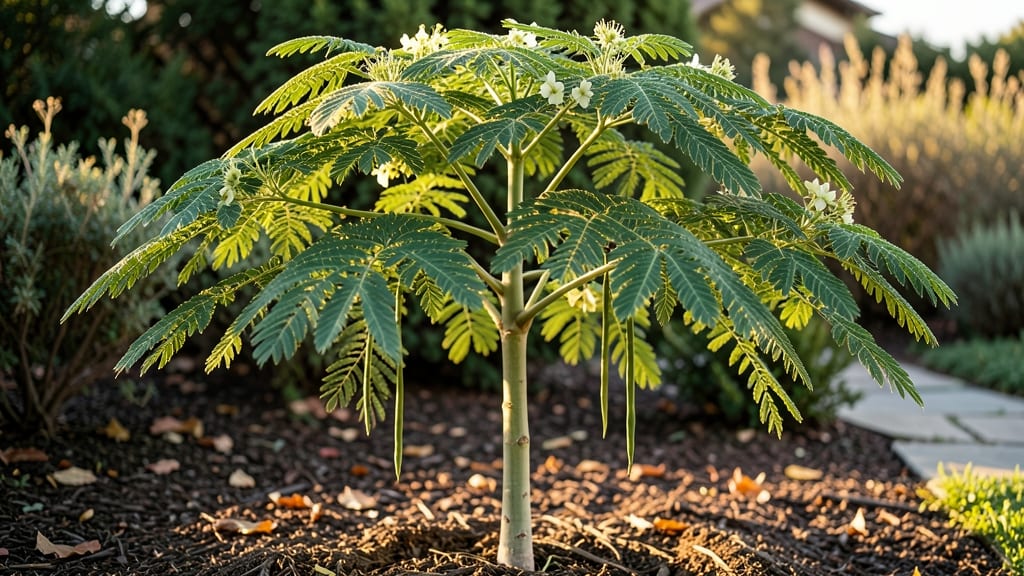
A moringa tree grows to 10 to 40 feet tall under ideal conditions—fast enough to harvest leaves in just 3-6 months but with a mature height that can dwarf even a two-story house.
If you're dreaming of a fast-growing, nutrient-packed tree that thrives in tough conditions, moringa could be your perfect garden addition—but first, you need to know exactly how tall it can grow based on your climate and care approach.
This tropical powerhouse (USDA zones 10-11) shoots up 6-10 feet in its first year, then adds 10+ feet annually if given enough sun, water, and space. Pruning can keep it smaller, but neglect? Watch it stretch toward the sky like a jungle giant.
Below, I break down the exact height ranges by variety, how to control growth, and why this tree’s speed and nutrition make it a game-changer for any garden—even small urban plots.

Moringa tree height by variety: exact growth expectations
If you're considering adding a moringa tree to your garden, understanding its height potential is crucial for planning. Moringa oleifera, the most common variety, typically grows between 20 to 30 feet under ideal conditions, while some specimens can even reach 40 feet in tropical climates.
The growth rate is impressively fast—expect 3 to 5 feet per year in the right environment.
For those with limited space, Moringa peregrina (desert moringa) offers a more compact option, usually maxing out around 10 to 15 feet tall. Both varieties thrive in warm climates (USDA Zones 10-11) and can be managed with pruning to control height.
Knowing these expectations helps you choose the right variety for your yard or container setup.
| Variety | Mature Height Range | Growth Rate (Annual) | Best For |
|---|---|---|---|
| Moringa oleifera (Standard) | 20-40 feet | 3-5 feet/year | Large gardens, tropical climates |
| Moringa oleifera (Pruned) | 6-12 feet | 2-3 feet/year | Containers, small yards |
| Moringa peregrina | 10-15 feet | 2-4 feet/year | Arid regions, drought-prone areas |
| Moringa oleifera (Dwarf Varieties) | N/A (No true dwarf varieties) | Managed via pruning | Urban gardens, patios |
The Moringa oleifera variety is the most popular due to its nutritional benefits and adaptability. When grown in full sun with well-draining soil, it can reach its full 30-40 foot height within 3 to 5 years.
However, if you prune it regularly—especially during the first year—you can keep it between 6 to 12 feet, making it ideal for smaller spaces or container growing.
For those in temperate climates, growth will be slower, often maxing out around 15 to 20 feet unless you provide greenhouse conditions. Moringa peregrina, on the other hand, is perfect for dry, desert-like environments and rarely exceeds 15 feet, even in optimal conditions.
This makes it a great choice for water-conscious gardeners.
If you're growing moringa in containers, expect a 50% reduction in height due to root restriction. A 15-gallon pot can support a 6-foot-tall moringa tree, while larger containers (30+ gallons) allow for 10+ feet of growth. Always use a fast-draining mix with perlite or sand to prevent root rot.
Pruning plays a huge role in controlling height. By cutting back one-third of the new growth in spring, you encourage bushier growth and prevent the tree from becoming too tall. This technique is especially useful for urban gardeners who want to enjoy moringa leaves without sacrificing yard space.
One common misconception is that moringa trees grow slowly like fruit trees. In reality, they can grow 3 times faster than many ornamental trees, thanks to their deep root system and ability to thrive in poor soil.
With the right care, you could see 10 feet of growth in just 2 years—a dream for gardeners eager to harvest nutrient-rich leaves quickly.
For maximum height, focus on these key factors: full sun exposure, well-draining soil, and regular fertilization with a balanced 10-10-10 NPK mix. In contrast, shady conditions or poor soil can stunt growth, resulting in a tree that barely reaches 10 feet even after several years.
Whether you're growing moringa for its edible leaves, medicinal properties, or simply as an ornamental tree, understanding its height potential helps you plan your garden layout effectively. With the right variety and care, you can enjoy a fast-growing, low-maintenance tree that fits perfectly in your outdoor space.
How climate and care conditions dramatically affect moringa tree height
If you've planted a moringa tree and noticed its growth rate varies wildly, you're not imagining things—climate and care conditions play a huge role in determining how tall your tree becomes.
In tropical zones like USDA 10-11, moringa can shoot up to 40 feet in ideal conditions, while in cooler temperate regions, it may max out at 10-15 feet without proper adjustments. The difference comes down to sunlight exposure, soil composition, and even your watering habits.
For example, a moringa tree in Miami's subtropical climate might reach 30 feet in just 3 years with consistent care, while the same tree in California's coastal fog belt could struggle to exceed 12 feet without greenhouse protection.
Understanding these variables lets you control growth—whether you want a towering specimen or a manageable harvest tree. Let's break down the key factors that shape your moringa's height potential.
- 🌡️ Temperature Zones: Tropical (10-11) = 30-40 ft | Temperate (8-9) = 10-20 ft
- ☀️ Sunlight: 6+ hours/day = 2x faster growth | Partial shade = stunted growth
- 💧 Watering: Deep weekly soaks = 12-18 ft/year | Drought stress = 5-10 ft/year
- 🪴 Soil pH: 6.0-7.5 = optimal growth | Acidic/alkaline = 50% slower growth
- ✂️ Pruning: Regular pruning = compact shape (10-15 ft) | No pruning = wild growth (20+ ft)
Let's start with temperature, the most critical factor. Moringa trees are tropical natives that thrive in 75-95°F average temperatures. In USDA zones 10-11, where frost is rare, these trees grow aggressively—sometimes adding 5-7 feet per year in their first 3 years.
However, in zones 8-9, where nights dip below 50°F, growth slows dramatically. I've seen moringa trees in Southern California barely reach 6 feet in their first year unless grown in containers and brought indoors during winter.
Next, sunlight exposure directly impacts height. Moringa trees demand full sun (6+ hours daily) to reach their maximum potential. In tropical climates, where sunlight is intense year-round, trees can grow 20+ feet in just 2 years. But in temperate zones with shorter daylight hours, growth becomes stunted.
For example, a moringa in New Mexico's high desert might only reach 8 feet in 3 years without supplemental grow lights. Even in partial shade, height gains drop by 30-50%.
Don't underestimate the power of soil quality either. Moringa trees prefer well-draining, slightly acidic to neutral soil (pH 6.0-7.5). In poor soil, growth can be 50% slower than optimal.
I once had a moringa in clay-heavy soil that barely grew 2 feet in its first year—until I amended it with compost and perlite. The difference was night and day!
Proper soil also helps prevent root rot, which can kill young trees before they reach 5 feet.
Finally, pruning techniques give you direct control over height. If you want a compact tree (10-15 feet), prune the top 1/3 of new growth every 3-4 months. This encourages bushier growth and prevents the tree from becoming a 30-foot monster.
Conversely, if you're growing moringa for maximum height, avoid pruning the main trunk and focus on removing only dead or diseased branches. Even in temperate climates, strategic pruning can push a moringa toward 20 feet in 3 years.
By mastering these four factors—temperature, sunlight, soil, and pruning—you can dramatically influence your moringa tree's height. Whether you're aiming for a privacy screen or a nutrient-rich harvest, understanding these conditions lets you shape your tree's growth to fit your goals.
Start with your local climate, then adjust care practices to fine-tune the results. Your moringa will thank you with faster growth and healthier leaves! 🌿