
Trees
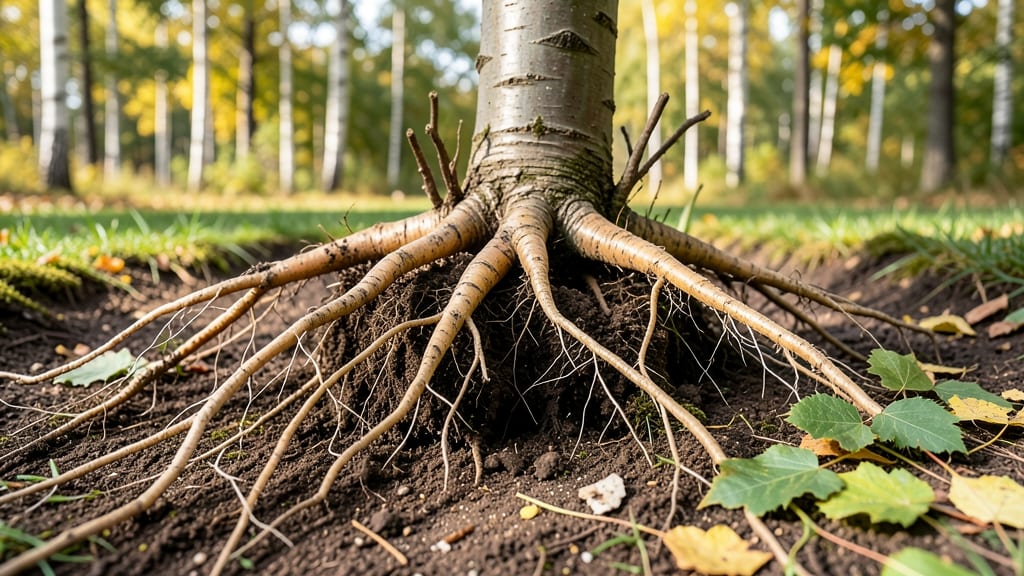
Your hackberry tree’s roots are the secret to its surprising strength—a deep taproot that plunges 30+ feet, anchoring it like a skyscraper in the wind. 🌳 Unlike shallow-rooted trees, this system makes hackberries resilient against storms, drought, and even urban sidewalk heaves.
But here’s the catch: that massive root can outcompete nearby plants for water and nutrients, turning your landscape into a one-tree monopoly.
For gardeners, this means spacing matters—plant hackberries at least 40 feet from structures or other trees to avoid root conflicts. Their lateral roots spread 20-30 feet wide, so they’re not for small yards.
Instead, use them as solitary statement trees where their stability and drought tolerance shine. The trade-off? Less room for flower beds or shrubs nearby unless you’re okay with them playing second fiddle.
📚 In This Guide
- What you need
- Instructions
- Tips and common mistakes
- Wrapping up and next steps
What you need
- ● Hackberry tree saplings or seeds: 1–3 saplings (for planting)
- ● 50–100 seeds (if starting from scratch)
- ● Soil testing kit: 1 (to check pH and nutrient levels)
- ● Garden trowel or shovel: 1 (for digging)
- ● Measuring tape or ruler: 1 (to assess root depth)
- ● Watering can or hose: 1 (for hydration)
- ● Mulch (wood chips or compost): 5–10 gallons (to retain moisture)
- ○ Fertilizer (balanced 10-10-10 or organic): 1 bag (optional but helpful)
- ● Root viewer or clear plastic tube (to observe root growth)
- ● Pruning shears (for trimming roots if necessary)
- ● Soil aerator or cultivator (for improving drainage)
- ● GPS or mapping tool (to track root spread over time)
- ● Camera or sketchbook (to document root development)
Understanding and supporting a hackberry tree’s deep root structure
Here’s how to harness the hackberry’s natural strength for a sturdy, long-lived tree.
🌱 Step 1: Recognize the Hackberry’s Natural Root Architecture
The hackberry’s defining feature is its strong central taproot that plunges 6–10 feet deep within the first decade, anchoring the tree against wind and drought. Unlike shallow-rooted species, it develops lateral feeder roots only in the top 12–18 inches of soil, making surface soil moisture less critical than deep water access.
This structure explains why hackberries thrive in urban settings—they tolerate compacted soil and occasional drought once established. However, their deep taproot means transplanting mature trees is risky unless you preserve the entire root ball. Young trees, planted with their taproot intact, establish faster than shallow-rooted alternatives.
💧 Step 2: Prioritize Deep Watering Over Frequent Surface Moisture
Because the hackberry’s feeder roots live in the top 12–18 inches, watering deeply but infrequently encourages roots to extend downward. Use a soaker hose or deep irrigation probe to deliver 1–2 gallons per square foot every 7–10 days during dry spells, rather than light daily watering. You’ll know you’ve watered deeply when moisture reaches 12–18 inches down—test with a screwdriver or trowel.
Overwatering at the surface can suffocate those shallow laterals. Let the top 2–3 inches of soil dry out between deep waterings. In established trees, this method reduces fungal risks while strengthening the taproot’s dominance.
☀️ Step 3: Choose Planting Sites That Preserve Root Space
Hackberries need full sun (6+ hours daily) but hate root competition. Plant at least 30 feet from sidewalks, driveways, or other trees—their roots spread 1.5–2 times the canopy width horizontally, though the bulk stays deep. If planting near structures, avoid areas with underground utilities or buried debris, as the taproot can grow 2–3 feet in diameter at maturity.
Amend the planting hole with native soil mixed with compost—no need for heavy fertilizer. Hackberries fix nitrogen naturally, so excessive phosphorus can harm their root microbes. A 2–3 inch layer of mulch (wood chips or bark) around the base keeps roots cool but keep mulch 6 inches away from the trunk to prevent rot.
✂️ Step 4: Prune Strategically to Avoid Root Stress
Hackberries handle pruning well, but never remove more than 25% of the canopy in one season. Their deep roots rely on the tree’s energy to sustain growth, so aggressive pruning weakens the taproot’s ability to anchor. Prune during late winter or early spring (before bud break) to minimize stress. Remove dead, crossing, or diseased branches first, then thin the canopy to improve air circulation—this reduces fungal pressure on shallow roots.
If you’re transplanting a young hackberry, prune roots only if necessary (e.g., circling roots). Use clean, sharp tools and seal cuts with pruning sealant to prevent disease entry. The tree’s resilience comes from its root system—don’t compromise it.
⏰ Step 5: Monitor for Root-Related Stress Signals
Watch for leaf scorch, stunted growth, or leaning—these often signal root issues. Leaf scorch in hot weather may indicate shallow root stress (not enough deep water), while leaning suggests the taproot isn’t anchoring properly (common in windy sites). If you notice mushroom growth at the base, the soil may be too compacted for lateral roots to spread—amend with organic matter and water deeply.
Hackberries rarely need staking, but if a young tree leans more than 30 degrees, install two stakes on opposite sides and tie with soft fabric strips (not wire). Remove stakes after 1–2 years to avoid girdling the trunk. Their deep roots will stabilize them eventually.
Tips & tricks for supporting a hackberry tree’s deep root system
These practical insights will help you nurture a hackberry’s natural strength and ensure long-term stability.
The Root Ball Matters: When transplanting young hackberries, preserve the entire root ball—even the deep taproot. Dig a hole twice as wide as the root ball but no deeper, then place the tree so the top of the root ball sits just below the soil surface. This prevents the taproot from bending or breaking during planting. The tree’s first year is critical for establishing that deep anchor, so handle the root ball with care.
Soil Compaction Check: Before planting, test your soil for compaction by pushing a screwdriver into the ground. If it doesn’t penetrate easily to 12–18 inches, amend the soil with compost or organic matter to improve drainage and root penetration. Compacted soil suffocates lateral roots, forcing the tree to rely on its shallow feeder network—something hackberries aren’t built for. A simple soil test can save you years of root stress.
Watering Depth Test: To verify you’re watering deeply enough, insert a screwdriver or trowel into the soil after watering. The moisture should reach at least 12–18 inches down—this is where the hackberry’s lateral roots thrive. If the soil stays dry at this depth, you’re not encouraging downward root growth. For young trees, this means using a soaker hose or deep irrigation probe to deliver 1–2 gallons per square foot every 7–10 days during dry spells.
Mulching Strategy: Apply a 2–3 inch layer of wood chips or bark mulch around the base of the tree, but keep it 6 inches away from the trunk to prevent rot. This layer helps retain moisture in the shallow soil where lateral roots live, but it’s not a substitute for deep watering. Mulch also regulates soil temperature, which is especially important in urban settings where pavement can create heat stress. Replenish mulch annually to maintain its effectiveness.
Pro Tips for Hackberry Tree Root System
- These practical insights will help you nurture a hackberry’s natural strength and ensure long-term stability.
- The Root Ball Matters: When transplanting young hackberries, preserve the entire root ball—even the deep taproot.
- Soil Compaction Check: Before planting, test your soil for compaction by pushing a screwdriver into the ground.
Frequently asked questions
Got questions about hackberry tree roots? You’re not alone!
Here are answers to the most common queries—from planting to troubleshooting—so you can nurture a sturdy, thriving tree with confidence.
How deep do hackberry tree roots grow?
The hackberry tree boasts a deep taproot system that can extend 6–10 feet or more into the soil, especially in mature trees. While their lateral roots spread 2–3 times the canopy width, the taproot anchors the tree for stability. Planting in well-draining soil with 12–18 inches of loose topsoil encourages healthy root development.
How long does it take for hackberry roots to establish?
Hackberry roots establish within the first 1–2 years but reach full maturity in 5–7 years. During the first year, focus on watering deeply 1–2 times per week (unless rain is abundant) to encourage downward growth. Avoid overwatering—soggy soil can stunt root development.
What problems can shallow roots cause in hackberry trees?
Shallow roots—often from compacted soil, poor drainage, or improper planting—can lead to toppling, poor nutrient uptake, or drought stress. Signs include leaning trunks, yellowing leaves, or roots breaking the surface. To fix it, amend soil with compost, mulch heavily (but avoid the trunk), and water deeply but infrequently.
Can hackberry trees share roots with other trees?
Hackberries can share roots with compatible trees (like elms or willows) through grafting or natural root fusion, but it’s not recommended for long-term health. Shared roots may compete for water/nutrients, increasing disease risk. If you’re landscaping, space hackberries at least 20–30 feet apart from other trees.
How do I prune hackberry roots if they’re damaging my foundation?
If roots are cracking sidewalks or foundations, prune only the surface roots (never the deep taproot!). Use a sharp spade or root saw to cut roots 6–12 inches from the trunk in early spring. Seal cuts with root pruning sealant to prevent decay. For severe cases, consult an arborist—they may recommend root barriers.
Pro Tip:
Mulch hackberry trees with 3–4 inches of organic mulch (like wood chips) to protect roots from temperature swings and retain moisture. Keep mulch 6 inches away from the trunk to avoid rot.
Wrapping up and next steps
Understanding the hackberry tree root system isn’t just about planting—it’s about nurturing resilience and long-term growth. 🌱 With its deep taproot and adaptable lateral roots, this tree thrives in tough conditions, making it a fantastic choice for stability and sustainability.
Whether you're landscaping or restoring soil, your efforts will pay off with a sturdy, healthy tree for decades.
Ready to put this knowledge into action? Start by assessing your soil and choosing the perfect spot—your hackberry’s future strength begins with the right foundation! 🌿