
Pruning
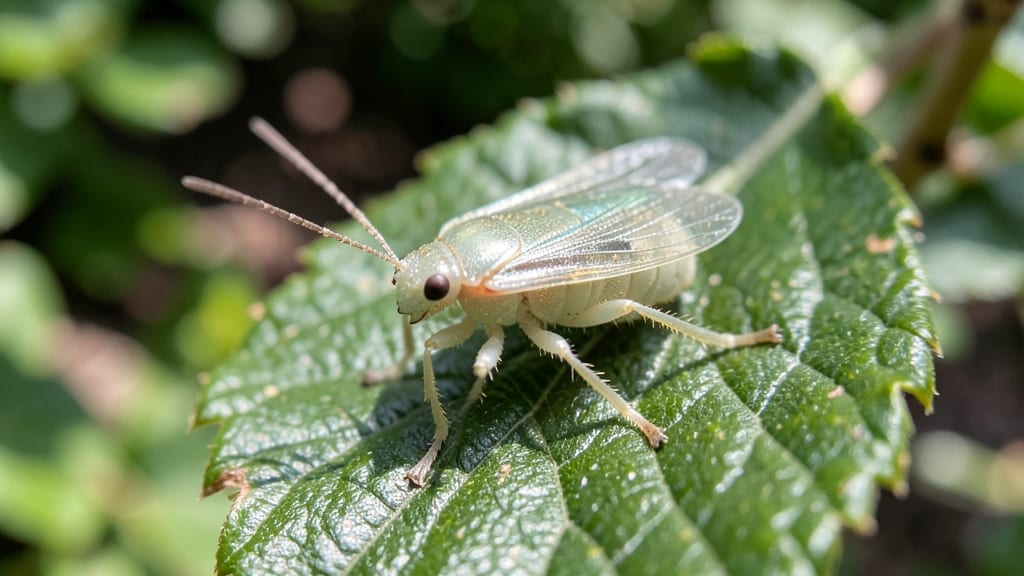
Hackberry trees turn into bug magnets when those tiny invaders start turning leaves into lace. 🌿 I’ve watched my own trees go from sturdy shade providers to skeletonized messes—until I learned the telltale signs of hackberry nipple gall makers, scale insects, and spider mites lurking under the leaves.
The good news? Most of these pests respond to simple, organic fixes before they ruin your tree.
These bugs don’t just show up randomly—they’re drawn to weak trees, crowded branches, or last year’s sap buildup. Spider mites leave fine webbing on undersides, scale insects create sticky residue (that ants love), and those weird nipple-like galls?
That’s the hackberry nipple gall maker’s calling card. The key to stopping them is catching them early, before they spread to your whole yard.
You’ll start with a strong defense: prune out infested branches in early spring, spray neem oil for a quick knockdown, and introduce beneficial insects like ladybugs. For stubborn cases, insecticidal soap or horticultural oil does the trick—just reapply after rains.
My trees now stay lush and pest-free with a monthly check and these simple steps.
Works for urban trees, backyard shade providers, or even those stubborn street-side hackberries. The secret is consistency—don’t wait for the bugs to win the battle. Let’s get your tree back to healthy.
Root Causes of Hackberry Bugs
Hackberry trees (Celtis spp.) are a favorite target for pests due to their fast growth, nutrient-rich foliage, and weak bark structure. Understanding why these bugs are drawn to your tree—and how they thrive—is the first step in effective, organic defense.
Let’s break down the key reasons these critters invade your hackberry and how their behavior fuels their population.
Hackberry trees produce high-protein leaves and sweet, sticky sap, making them a buffet for insects. Here’s why:
- Leaf Composition: Hackberry leaves contain nitrogen-rich compounds and amino acids that accelerate insect growth.
For example, the hackberry nipple gall psyllid (Pachypsylla celtidismamma) feeds exclusively on these leaves, which provide the perfect nutritional balance for rapid reproduction. - Sap as a Feast: The hackberry’s weak bark (especially on younger trees) makes it easy for sap-sucking pests like hackberry woolly aphids (Pterocallis celery) to tap into the tree’s vascular system.
The sap isn’t just food—it’s also a moisture source in dry conditions, helping bugs survive drought. - Volatile Compounds: Hackberry trees emit volatile organic compounds (VOCs) that some insects use as a chemical signal to locate the tree.
This is why you might see swarms of pests arriving almost simultaneously in spring.
💡 Pro Tip: If your tree is young or stressed, it produces even more sap—a red flag for sap-sucking bugs. Prune carefully to avoid bark damage, and ensure the tree gets balanced water and nutrients to reduce its appeal.
Hackberry bark is thin, brittle, and prone to cracks, creating perfect entry points for boring insects and shelter for others. Key issues include:
- Bark Texture: The rough, fissured bark of mature hackberries provides hiding spots for pests like the hackberry leafminer (Phyllocnistis celtidismamma).
These insects lay eggs in crevices, where they’re protected from predators and weather. - Sun Scorch & Wounds: Excessive sun exposure or mechanical damage (from lawn equipment, tools, or animals) weakens the bark, making it easier for ambrosia beetles or hackberry borers to infiltrate.
Once inside, they tunnel into the cambium layer, disrupting the tree’s nutrient flow. - Galls & Growths: Some pests, like the hackberry nipple gall maker, induce the tree to form abnormal growths (galls) where they feed.
These galls weaken the tree’s defenses and create microclimates that protect larvae from natural enemies.
⚠️ Warning Sign: If you notice peeling bark, oozing sap, or sawdust-like frass at the base of the tree, borers may already be active. Act fast—these pests can kill a tree in as little as one season.
Hackberry bugs are highly sensitive to temperature, humidity, and seasonal changes, which dictate their life cycles and outbreaks. Key factors include:
| Season | Trigger | Pest Response | Peak Risk Period |
|---|---|---|---|
| Spring | Warmth + New Growth | Eggs hatch as leaves emerge; aphids and psyllids colonize fresh foliage. | April–May |
| Summer | High Heat + Drought | Sap-suckers thrive; borers seek moisture-rich inner bark. | June–August |
| Fall | Cooling Temperatures | Adults seek shelter in bark crevices; larvae overwinter in galls or soil. | September–October |
| Winter | Freeze-Thaw Cycles | Cold-hardy pests (like scale insects) survive under bark; others die off. | December–February |
🌡️ Climate Note: Mild winters (common in zones 6–9) allow more pest survivors, leading to worse infestations the following spring. Heavy rains can also wash away natural predators, giving bugs an advantage.
In a healthy ecosystem, birds, ladybugs, parasitic wasps, and beneficial fungi keep hackberry pest populations in check. But when these predators are missing, bugs explode in numbers. Common reasons for predator decline:
- Pesticide Overuse: Broad-spectrum chemicals (even synthetic ones) kill beneficial insects along with pests.
For example, neonicotinoids harm bees and lacewings, which are key predators of aphids. - Monoculture Landscaping: Planting only hackberries (or other host plants) creates a pest paradise with no diversity for predator insects to feed on. - Urbanization: Reduced habitat diversity (fewer wildflowers, shrubs, or native trees) limits the food sources needed to sustain predator populations.
🔥 Organic Fix: Plant companion plants like dill, yarrow, or marigolds to attract parasitic wasps and lacewings. These predators specialize in eating hackberry pests like aphids and caterpillars.
A weak or stressed hackberry tree is like an all-you-can-eat buffet for pests. Stress factors include:
- Overwatering or Underwatering: Root rot (from soggy soil) or drought stress weakens the tree’s immune response, making it more susceptible to borers and fungi.
- Nutrient Deficiencies: Low nitrogen (yellowing leaves) or potassium/magnesium deficits (weak wood) make the tree less resistant to pests.
- Competition for Resources: Grass, weeds, or other plants stealing water/nutrients force the hackberry to divert energy away from defense mechanisms.
- Disease Pressure: Fungal infections (like anthracnose) create entry points for secondary pests, while bacterial leaf scorch weakens foliage, making it easier for leafminers to invade.
💪 Action Step: Conduct a soil test to check pH and nutrients. Mulch properly (2–4 inches of organic mulch, kept 6 inches away from the trunk) to retain moisture and regulate soil temperature, reducing stress signals that attract pests.
Not all hackberry trees face the same pest pressure—location and age play a huge role:
- Young Trees (1–10 years): More vulnerable to leafminers, aphids, and psyllids because their bark is thin and leaves are tender.
- Mature Trees (10+ years): Attract borers, scale insects, and woolly aphids due to thick bark crevices and high sap flow.
- Southern vs. Northern Climates:
- Southern U.S. (Zones 7–10): Warmer winters mean more surviving pests (e.g., hackberry shrew larvae).
- Northern U.S. (Zones 4–6): Cooler springs delay outbreaks but can lead to more severe infestations once pests emerge.
🎯 Targeted Solution: If you’re in a high-risk zone, monitor your tree closely in early spring (March–April) and apply preventive treatments before pests hatch.
Quick Fixes for Hackberry Tree Pests
Dealing with hackberry tree bugs can feel like a never-ending battle, but with the right approach, you can reclaim your tree’s health—naturally and effectively. Below, we’ve mapped out practical, organic solutions tailored to the most common culprits, from aphids to spider mites.
Each fix is designed to be easy to implement while minimizing harm to your tree, pollinators, and the environment.
Aphids and scale insects thrive by sapping sap, leaving sticky honeydew behind. Here’s how to eliminate them without chemicals:
🔥 Blast Them Off with Water
- How: On a sunny day, spray the tree thoroughly with a strong stream of water (use a hose nozzle or pressure sprayer).
- Why: Aphids and scales hate water pressure—it knocks them off leaves and stems while disrupting their protective waxy coating.
- Frequency: Repeat every 3–5 days until they’re gone (usually 2–3 weeks).
🍳 Homemade Soap Spray (Safe & Effective)
- Recipe:
- 1 quart of warm water
- 1 tbsp mild liquid castile soap (or insecticidal soap)
- 1 tsp neem oil (optional, boosts effectiveness)
- 1 tsp horticultural oil (for scale insects)
- How to Apply:
- Mix in a spray bottle and apply early morning or late evening (avoid direct sun to prevent leaf burn).
- Spray both sides of leaves and stems until dripping.
- Why It Works: Soap disrupts their cell membranes, while neem oil repels and kills eggs.
🌿 Introduce Beneficial Insects
- Who to Bring In:
- Ladybugs (devour aphids)
- Lacewings (eat aphids and mites)
- Parasitic wasps (target scale insects)
- How: Purchase from garden centers or release them at dusk when they’re most active.
💡 Prevention Tip:
- Prune thick foliage to improve airflow—aphids love dense, shaded areas.
- Apply reflective mulch (like aluminum foil or silver plastic) around the base to confuse and deter pests.
These tiny pests thrive in dry conditions, causing yellowing leaves and fine webbing. Fight back with moisture and disruption:
👨🍳 DIY Oil Spray (Smothers Mites)
- Recipe:
- 1 quart water
- 1 tbsp horticultural oil (or light mineral oil)
- 1 tsp dish soap (to help it stick)
- How to Use:
- Spray thoroughly (mites hide on the undersides of leaves).
- Reapply every 5–7 days for 3–4 weeks.
- Why: Oil clogs their breathing pores, leading to dehydration.
🥘 Increase Humidity Around the Tree
- How:
- Mist the tree daily with a hose (especially in drought conditions).
- Group plants together to create a microclimate.
- Use a sprinkler on low setting near the base for 10–15 minutes daily.
- Why: Spider mites dry out without humidity—this forces them out of hiding.
🔪 Remove Infested Leaves
- How:
- Pick off heavily webbed leaves and drop them in soapy water (not compost).
- Focus on the bottom third of the tree, where mites often start.
- Why: Stops the spread and reduces their population quickly.
🌡️ Prevention Tip:
- Water deeply 2–3 times per week (drought stress = mite magnet).
- Avoid over-fertilizing with nitrogen—soft new growth attracts mites.
These jumping insects skeletonize leaves and excrete sticky honeydew. Trapping and pruning are your best defenses:
🕸️ Yellow Sticky Traps (Catch Them Early)
- How:
- Hang yellow sticky cards (or DIY with yellow paper + petroleum jelly) above the tree in spring.
- Check traps every 2–3 days and replace when full.
- Why: Psyllids are drawn to yellow—this catches adults before they lay eggs.
🍎 Prune & Destroy Damaged Growth
- How:
- Cut off new shoots with curled leaves (where psyllids lay eggs).
- Bag and dispose of prunings (don’t compost—they’ll survive).
- When: Do this in early spring before they hatch.
💡 Prevention Tip:
- Apply kaolin clay (like Surround WP) to leaves—it confuses and repels psyllids.
- Encourage birds (like robins) that eat psyllids by adding a bird feeder nearby.
A strong tree resists pests better. Use these proactive steps to keep your hackberry thriving:
📊 Feed the Soil, Not Just the Leaves
- How:
- Top-dress with compost in early spring.
- Use a balanced organic fertilizer (like 5-5-5) to avoid nitrogen overload.
- Why: Healthy roots = stronger immunity to pests.
✨ Improve Airflow & Light
- How:
- Thin out dense branches to reduce humidity and shade.
- Remove nearby overgrown plants that block airflow.
- Why: Pests love stagnant, damp conditions—good airflow discourages them.
🎯 Monitor Regularly (Early Detection = Easier Fixes)
- How:
- Inspect leaves weekly (especially undersides) for early signs.
- Shake branches over a white sheet—pests will fall and reveal their presence.
- When: Spring and fall are peak pest seasons.
Final Note: Consistency is key! Most organic fixes take 3–4 weeks to show results. Stick with it, and your hackberry tree will bounce back—bug-free and beautiful. 🌿✨
Frequently asked questions about hackberry tree bugs
What are those weird nipple-like bumps on my hackberry leaves?
Those are hackberry nipple galls, caused by the hackberry nipple gall psyllid. These tiny insects inject chemicals that trigger the tree to form gall tissue where they feed. The galls won't kill your tree but create weak spots—prune and destroy heavily infested leaves in late winter before eggs hatch.
Are hackberry tree bugs harmful to humans or pets?
Most hackberry pests (like aphids, psyllids, or spider mites) are not dangerous to humans or pets. However, some may trigger allergies in sensitive individuals when handling heavily infested foliage. Always wash hands after pruning, and keep pets away from treated areas until sprays dry.
Why do I see ants crawling all over my hackberry tree?
Ants farm aphids—they protect these sap-sucking bugs and drink their honeydew. To break this cycle, spray soapy water directly on ant trails or apply diatomaceous earth around the trunk. This disrupts their "aphid cattle" operation while keeping your tree safe.
Can I use chemical pesticides on my hackberry tree?
Chemical pesticides work fast but harm beneficial insects and can stress the tree. If you choose this route, opt for targeted systemic pesticides (like imidacloprid) applied in early spring—but always follow label instructions. For organic gardeners, neem oil or insecticidal soap are safer alternatives.
How do I know if my hackberry tree is dying from bugs or disease?
Bug damage often shows as skeletonized leaves, sticky residue, or sawdust-like frass near the trunk. Disease symptoms include fungal spots, oozing cankers, or wilting despite proper watering. Check for borer holes (1/8" round holes) or peeling bark—these are red flags for internal pests that can kill a tree quickly.