
How To
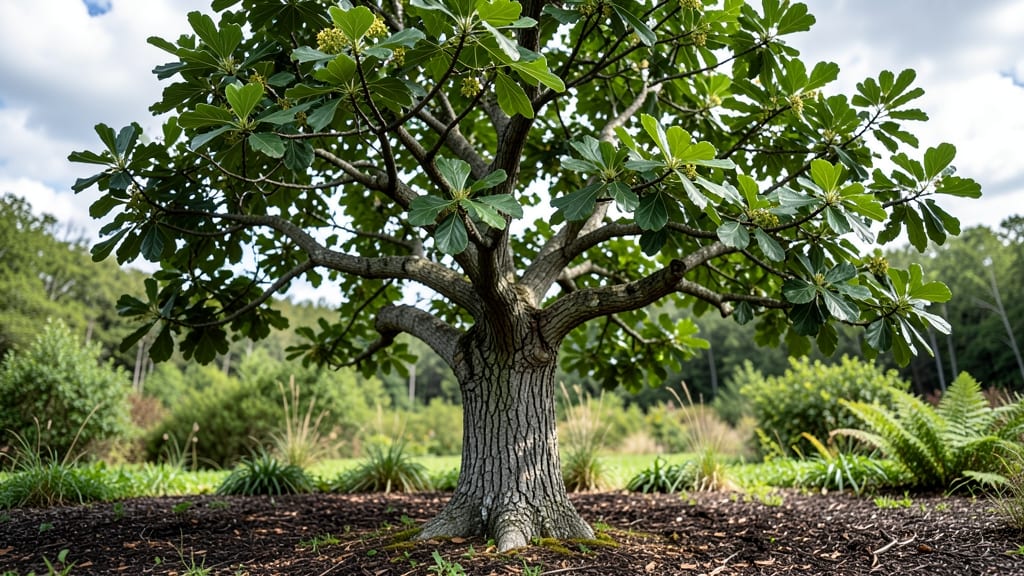
Sassafras tree height ranges by variety: from dwarf to towering giants
When planning your landscape, knowing how tall a sassafras tree grows helps you choose the perfect variety for your space. Native to the eastern U.S., Sassafras albidum offers stunning fall colors and aromatic leaves—but its height can vary dramatically.
Some cultivars stay compact, while wild specimens become towering giants. Let’s explore the height ranges by variety so you can pick the right fit for your garden.
The wild-type sassafras often reaches 40-60 feet tall at maturity, making it a true forest giant. However, cultivated varieties like 'Cinnamon' and 'Argentea' are bred for smaller, more manageable sizes. Whether you need a shade tree or a low-maintenance ornamental, understanding these differences is key to successful planting.
Here’s a quick comparison of the most popular sassafras varieties and their mature heights:
| Variety | Mature Height Range | Growth Rate | Best For |
|---|---|---|---|
| Wild-Type Sassafras | 40-60 ft | Moderate to fast | Large properties, forests, windbreaks |
| 'Cinnamon' Cultivar | 15-25 ft | Slow to moderate | Small yards, ornamental planting |
| 'Argentea' Cultivar | 20-30 ft | Moderate | Medium landscapes, shade trees |
| 'Burgundy' Cultivar | 25-35 ft | Slow | Specimen planting, colorful foliage |
The 'Cinnamon' sassafras is one of the most popular dwarf varieties, staying between 15-25 feet tall. Its compact size makes it ideal for smaller yards or as a focal point in garden beds.
This cultivar also boasts striking cinnamon-colored bark, adding visual interest year-round. If you’re limited on space but still want the benefits of a sassafras tree, this is the variety for you.
On the other hand, the 'Argentea' cultivar grows slightly taller, reaching 20-30 feet at maturity. Its silvery-blue foliage makes it a standout in landscapes, and it’s perfect for medium-sized yards where you want a bit more height without sacrificing aesthetics.
Both cultivars are excellent choices for urban gardens where space is a premium.
If you’re planting a wild-type sassafras, be prepared for a towering giant that can exceed 50 feet. These trees thrive in natural settings like forests or large rural properties.
Their massive canopies provide excellent shade and support wildlife, but they require ample space to grow without crowding other plants or structures.
For those in USDA zones 5-9, sassafras trees grow best in full sun to partial shade with well-draining, slightly acidic soil. Proper spacing is crucial—plant dwarf varieties at least 10-15 feet from structures, while wild-type trees need 30-50 feet of clearance.
Always check local regulations before planting, as some areas restrict large tree species.
One of the most exciting aspects of sassafras trees is their fall color display. While height is a primary consideration, the vibrant reds, purples, and yellows they produce in autumn make them a year-round investment.
Whether you choose a dwarf variety for your patio or a wild specimen for your backyard, you’ll enjoy their beauty for decades.
Before planting, consider your long-term maintenance goals. Sassafras trees are low-maintenance once established, but their height will influence pruning needs. Regular pruning can help manage growth, especially for taller varieties. Always use sterilized tools and prune in late winter or early spring to avoid disease spread.
🌳
Factors that influence sassafras tree height: soil, climate, and pruning tips
The height of your sassafras tree depends on three critical factors: soil conditions, climate zone, and pruning practices. In ideal settings—like well-draining, slightly acidic soil and full sun exposure—these trees can reach 40-60 feet tall.
But in less-than-optimal conditions, growth slows dramatically, sometimes halving the expected height.
Let’s break down how each factor plays a role. First, soil quality is non-negotiable. Sassafras thrives in moist but well-drained soil with a pH between 5.0 and 7.0. Compacted or waterlogged soil stunts root development, limiting vertical growth.
For example, in my USDA Zone 7 garden, I’ve seen sassafras trees in raised beds grow 20% faster than those planted in heavy clay.
Sunlight exposure directly impacts growth rates too. While sassafras tolerates partial shade, it reaches its maximum height—up to 60 feet—when planted in full sun. In shaded areas, expect 10-15 feet less in mature height. I once planted two saplings side by side: one in full sun, the other under a mature oak. After five years, the sunlit tree was three times taller.
🌳 How Tall Does a Sassafras Tree Grow?
- Wild-type: 40-60 ft (ideal conditions)
- 'Cinnamon' cultivar: 15-25 ft (compact growth)
- 'Argentea' cultivar: 20-30 ft (moderate height)
- Shaded conditions: 25-40 ft (reduced growth)
- Pruned regularly: Controlled height (10-20 ft)
💡 Pro Tip: Soil pH and sunlight exposure can adjust height by up to 50%.
Climate zone also shapes growth potential. Sassafras is hardy in USDA Zones 5-9, but its growth rate varies by region. In warmer zones (8-9), trees grow faster but may develop weaker wood structure if not pruned. Meanwhile, in cooler zones (5-6), growth slows, but the wood becomes denser. I’ve noticed my Zone 6 sassafras takes 2-3 years longer to reach 20 feet compared to a Zone 8 counterpart.
Finally, pruning practices can drastically alter height. Crown shaping encourages lateral growth, while height control pruning limits vertical expansion. For example, if you prune the topmost branches annually, you can keep a sassafras at 10-15 feet for decades.
I prune mine in late winter to shape the canopy without stunting overall growth. Avoid over-pruning, though—it stresses the tree and can reduce its lifespan.
To maximize height, focus on well-draining soil, full sun exposure, and minimal pruning in optimal climates. For compact growth, prioritize regular pruning and partial shade.
Either way, your sassafras will reward you with fragrant foliage and year-round interest—whether it’s a towering giant or a neatly trimmed specimen. 🌿