
Light Requirements
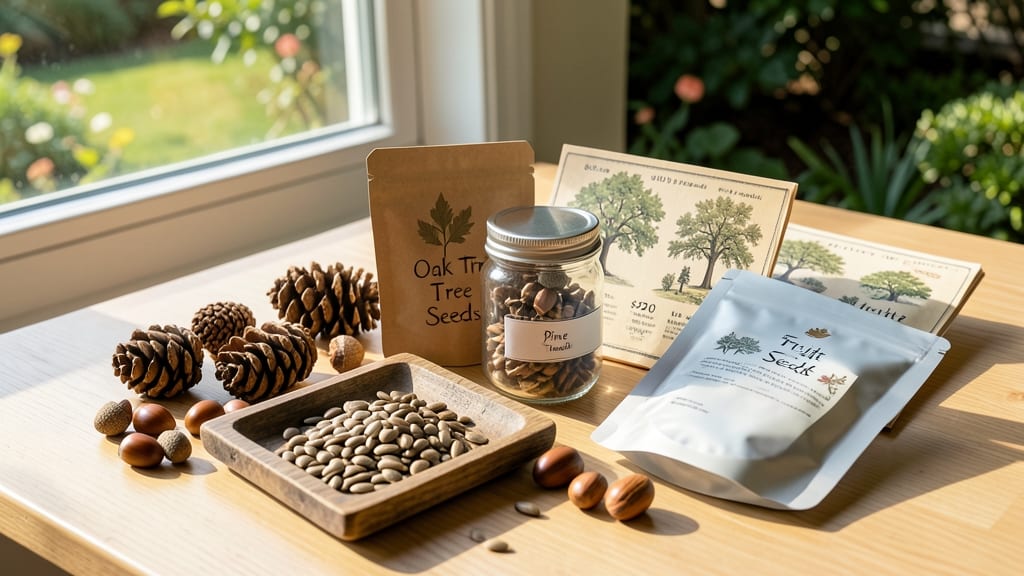
How much tree seeds cost depends entirely on the species—common varieties like willow or poplar seeds typically run $0.50–$2 per packet, while specialty or slow-growing trees (think oak or fruit trees) can cost $5–$50+ per packet. Bulk orders or heirloom seeds often push prices over $100.
Prices reflect more than just the seed itself—fast-growing species stay affordable because they're widely available and easy to source, while rare or slow-maturing trees demand higher costs due to longer cultivation times. 🌱 For example, a packet of maple seeds might cost $10, but a single oak acorn seedling can run $20–$30.
Even within the same category, quality matters: certified organic or heirloom seeds always carry a premium over generic options.
Where you buy also shifts the price spectrum dramatically. Online retailers often undercut local nurseries with bulk discounts, while seed exchanges and community swaps can yield free or near-free options. I’ve found that timing purchases for seasonal sales (like Arbor Day promotions) can cut costs by 30–50%.
Always check germination rates—cheaper seeds might not sprout as reliably, turning savings into wasted effort.
💡 In This Article
- Tree Seed Cost Factors: Species, Quantity, and Quality
- Best Places to Buy Affordable Tree Seeds
Tree seed cost factors: species, quantity, and quality
The price of tree seeds hinges on three core factors: species type, quantity purchased, and quality standards. Fast-growing species like willow or poplar seeds cost $0.50–$2 per packet because they're widely cultivated and produce abundant seeds.
These trees mature quickly (often within 5–10 years), so suppliers can maintain steady production without specialized care. In contrast, slow-growing species like oak or walnut require $10–$50+ per packet because they take decades to mature and produce far fewer seeds per tree.
Quantity dramatically affects pricing—single packets typically contain 50–100 seeds, while bulk orders (500+ seeds) can reduce costs by 40–60%. For example, a $15 packet of fruit tree seeds might drop to $8–$10 per 100 seeds when bought in bulk.
Quality also plays a role: certified organic seeds or heirloom varieties (like antique apple cultivars) often cost 2–3x more than hybrid or non-certified seeds. Germination rates matter too—cheaper seeds may have lower viability, meaning you might pay for seeds that never sprout.
Sourcing location creates another pricing tier. Online retailers like Arbor Day Foundation or Baker Creek Heirloom Seeds offer competitive rates due to lower overhead, while local nurseries may charge 20–30% more for convenience.
Seasonal timing also impacts costs: seeds purchased during Arbor Day promotions (March–April) often include free shipping or discounts, while off-season orders can be 10–15% pricier. Always verify supplier reputation—some discount sellers offer seeds with poor germination rates, turning savings into wasted effort.
Consider these price determinants when planning your purchase:
- Growth rate: Fast-growing species (willow, poplar) cost $0.50–$2 per packet; slow-growing (oak, maple) cost $10–$50+
- Quantity: Bulk orders (500+ seeds) save 40–60% compared to single packets
- Quality certifications: Organic or heirloom seeds cost 2–3x more than standard hybrids
- Supplier type: Online retailers undercut local nurseries by 20–30% due to lower overhead
For budget-conscious gardeners, prioritize fast-growing native species and bulk purchases. If you're planting rare varieties, factor in the long-term value—a $30 packet of oak seeds might yield a tree worth $1,000+** in 50 years. Always check germination guarantees before buying to avoid disappointment.
Pro tip: Mix high-value seeds (like fruit trees) with cheaper fillers (fast-growing willow) to balance costs while achieving diverse planting goals. 🌿