Light Requirements
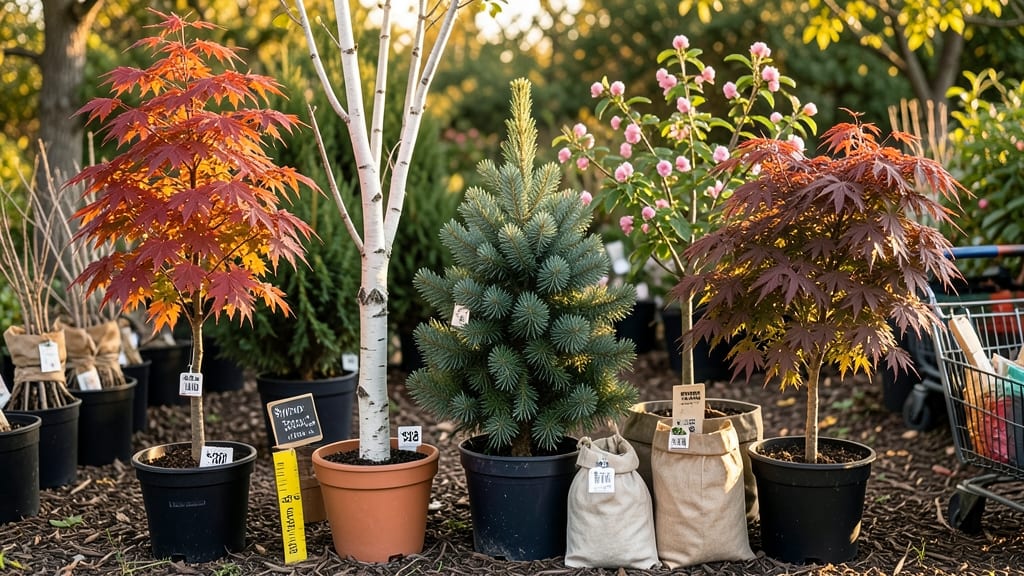
Tree sapling prices typically range from $10 to $100+, with costs varying by species, size, and nursery type. Rare or native varieties command higher prices, while common ornamental trees are more budget-friendly. Local nurseries and seasonal sales offer the best deals, and bare-root saplings are significantly cheaper than container-grown options.
Pricing for tree saplings depends heavily on the type of tree you choose and where you buy it from. 🌳 For example, a common Bradford pear might cost around $15-$25, while a rare Japanese maple could run $50-$150+ depending on its size and maturity.
I’ve found that buying in early spring—right before planting season—often unlocks discounts, and local tree farms frequently undercut big-box stores. Another key factor is root type: bare-root saplings (sold without soil) are usually 30-50% cheaper than potted ones because they’re easier to transport and store.
If you're looking to save even more, consider buying in bulk or checking out local conservation programs that sometimes offer discounted native species. Just remember: cheaper isn’t always better—always inspect the sapling for healthy roots and foliage before purchasing.
A well-priced sapling is an investment in years of growth and curb appeal! 🌿
💡 In This Article
- Factors Influencing Tree Sapling Pricing
- Where to Buy Affordable Tree Saplings
Factors influencing tree sapling pricing
The species of your sapling is the single biggest cost driver. Rare or slow-growing trees like the Katsura tree (Cercidiphyllum japonicum) can cost $80-$150 for a 2-3 foot specimen, while fast-growing common trees like the Bradford pear typically range from $15-$30.
Native species often command premium prices because they require specialized growing conditions and are in higher demand for conservation efforts. For example, a white oak acorn sapling might cost $40-$70 compared to $10-$20 for a non-native Norway spruce.
Size matters just as much as species—height and trunk diameter directly impact price. A 5-foot tall sapling with a 1-inch diameter trunk will cost 2-3x more than a 2-foot sapling of the same species.
Nurseries measure maturity using a system called "caliper," where each 1/4-inch increase in trunk diameter adds $5-$20 to the price. Container-grown saplings also cost more because they require ongoing care, soil, and watering—sometimes 50% higher than bare-root alternatives of the same size.
Root type creates another pricing tier. Bare-root saplings (sold without soil) are the most budget-friendly because they’re easier to transport, store, and ship. You’ll typically pay $10-$30 for a 2-3 foot bare-root tree, while the same size in a 3-gallon container could cost $30-$60.
The container adds weight, labor, and maintenance costs for the nursery. Seasonal demand also shifts prices—spring planting season (March-May) sees 10-20% higher prices due to increased customer demand, while winter sales can drop prices by 20-30%.
Nursery reputation and sourcing methods add another layer. Big-box stores like Home Depot or Lowe’s mark up prices by 30-50% compared to local nurseries because of overhead costs. Specialty growers who focus on rare or heirloom varieties (like Ginkgo biloba or Dawn Redwood) can charge $100-$300+ for mature specimens.
Even the packaging matters—a plastic pot adds $2-$5 to the cost, while biodegradable burlap wraps for bare-root trees keep prices lower.
Consider this real-world example: A 2-foot tall Japanese maple at a local nursery might cost $25, but the same tree from a specialty online retailer could be $75-$120 due to shipping and certification costs.
The key is balancing quality with budget—always check for healthy root systems (white, moist roots for bare-root; no root circling in containers) and vigorous foliage before purchasing. A slightly higher price for a well-grown sapling often means better long-term survival rates.
What most people don’t realize is that certification matters. Trees sold by reputable nurseries often come with guarantees (like disease-free or pest-resistant labels), which can justify higher prices. For instance, a disease-resistant elm sapling might cost $40 compared to $25 for a non-certified one.
Investing in certified stock can save you money in the long run by reducing the risk of replanting due to poor health.