
Pruning
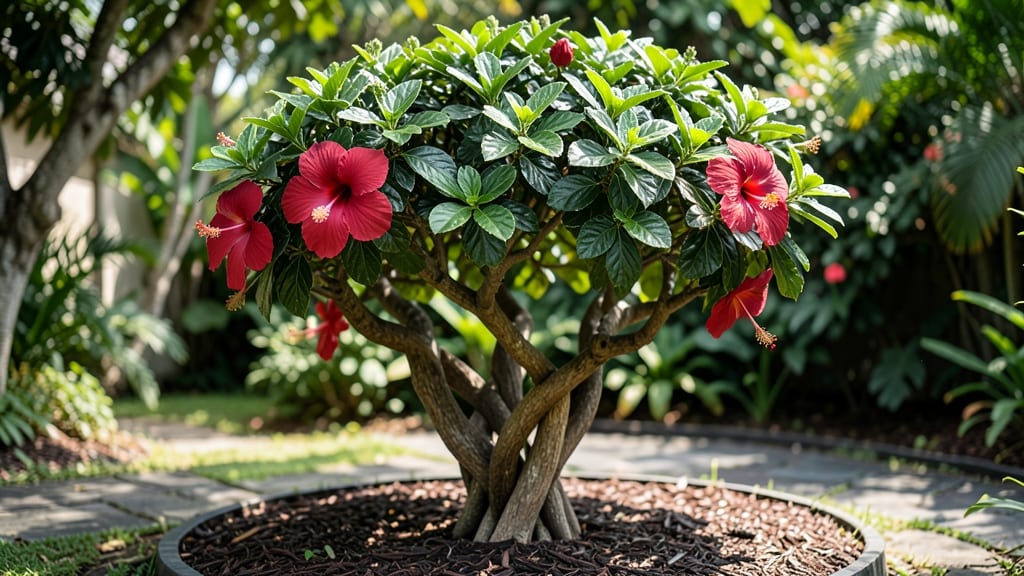
A braided hibiscus tree’s height can reach 15 feet if left unchecked—but with the right training, you’ll keep it between 4 and 6 feet while boosting blooms.
Picture this: Your 🌺 hibiscus braided tree sprawling wildly, its branches tangling into an unruly mess. The key to controlling its height lies in strategic pruning and seasonal care, not brute-force cutting.
In USDA Zone 6a, where spring planting kicks off in April, the secret to a compact braided tree is understanding how growth habits shift with the seasons. A little root pruning or container training can make all the difference in keeping it manageable.
Below, I’ll walk you through the exact pruning schedule, natural growth limits, and care tricks to maintain your hibiscus at the perfect height—without sacrificing those stunning blooms.

Natural ways to control hibiscus braided tree height without harming growth
If your hibiscus braided tree is reaching for the sky when you'd prefer it to stay between 4-6 feet, you're not alone. Many gardeners struggle with controlling height while maintaining that stunning braided structure and vibrant blooms.
The good news? There are natural, organic methods to guide your tree's growth without harsh chemicals or drastic measures that could harm its health.
Understanding your hibiscus's natural growth patterns is key. These trees can grow up to 15 feet if left unchecked, but with the right techniques, you can encourage compact, controlled growth while preserving those gorgeous flowers.
The secret lies in combining seasonal pruning, root management, and growth habit training—all while working with nature, not against it.
The first method I recommend is structural pruning during dormancy. When your hibiscus enters its winter rest period, it's the perfect time to shape its framework. Focus on removing upward-growing branches that would otherwise shoot straight up, adding unnecessary height.
Instead, encourage horizontal growth by cutting just above outward-facing buds—this trains the tree to grow wider rather than taller.
For more immediate height control, try tip pinching during the growing season. Simply pinch off the newest growth tips with your fingers or clean shears. This technique stimulates lateral branching, creating a fuller, bushier tree that stays more compact.
I find this works especially well when done in early summer, just as the tree is really getting going. It's a gentle way to guide growth without shocking the plant.
If you're working with limited space, root restriction can be incredibly effective. For in-ground plants, you can create a physical root barrier using buried hardware cloth or a deep plastic barrier. This limits where roots can spread, naturally restricting the tree's height.
For potted hibiscus, simply choose a container size that matches your desired height—smaller pots equal smaller trees. Just remember to repot every 2-3 years to refresh the root system.
Another clever trick is to use selective fertilization. Hibiscus trees grow most vigorously when they receive balanced nutrients, but you can limit height growth by reducing nitrogen-rich fertilizers. Instead, focus on phosphorus and potassium, which encourage flowering and root development without excessive top growth.
I've had great success using a 10-10-10 fertilizer at half strength during the growing season to maintain compact growth while keeping blooms vibrant.
Don't forget about the power of seasonal timing. Your hibiscus grows most rapidly during late spring and early summer, so this is when you should be most vigilant about height control.
In contrast, fall and winter are perfect times for major structural pruning when the tree isn't actively growing. By working with these natural growth cycles, you can guide rather than fight your hibiscus's development.
For gardeners who love the braided tree aesthetic, maintaining the braids themselves helps control height naturally. When you weave the branches during the initial training phase, you're not just creating an artistic look—you're also directing growth patterns.
Regularly check that your braids aren't becoming too tight, as this can restrict circulation and lead to weakened branches that grow more vigorously to compensate.
Remember that patience is key when training a hibiscus braided tree. It can take 2-3 years to establish the perfect height and structure, but the results are worth it.
By combining these natural methods—seasonal pruning, tip pinching, root management, and selective fertilization—you'll have a stunning, well-proportioned tree that stays at
Best pruning techniques for hibiscus braided trees by season
Pruning your hibiscus braided tree at the right time ensures it stays at your desired height while blooming beautifully. Each season offers unique opportunities to shape growth and encourage compact, healthy development. Winter pruning is ideal for structural work, while summer shaping keeps your tree lush and full.
Timing matters most—prune too early or too late, and you risk stunting blooms or weakening the tree. For hibiscus braided trees, focus on three key seasons: winter for major cuts, summer for maintenance, and post-bloom for cleanup.
Each step helps maintain that stunning, braided look while controlling height naturally.
Step-by-Step Pruning Guide for Hibiscus Braided Trees
- Winter (Late Dormancy): Prune 1/3 of last year's growth to shape structure and encourage compact growth. Remove dead or crossing branches first, then thin out to maintain braided tree height (4-6 ft ideal).
- Early Spring (Before Bud Break): Lightly trim any water sprouts or weak growth. Avoid heavy cuts—focus on cleaning up winter damage and encouraging new blooms.
- Summer (Post-Bloom): Prune spent flowers and overgrown branches to redirect energy. Pinch back tips to promote bushier growth and prevent height overgrowth.
- Late Summer (Pre-Fall): Remove any sick or pest-damaged branches. Light shaping pruning helps maintain the braided design while keeping the tree manageable in height.
Start with winter pruning—this is when your hibiscus is dormant, making it the perfect time for major structural cuts. Use sharp, sterilized shears to cut just above a leaf node or outward-facing bud. This encourages new growth in the right direction, keeping your tree compact and controlled.
During summer months, focus on light maintenance pruning to shape the tree and remove any deadheading after blooms fade. This not only keeps your hibiscus looking tidy but also encourages more abundant flowers by redirecting energy. Avoid heavy pruning in summer, as it can stress the plant.
After the first frost, your hibiscus will enter dormancy again. This is the time to clean up any remaining debris and plan next year’s pruning strategy. If you notice overgrowth or branches growing in unwanted directions, mark them for early spring pruning to maintain that braided tree height you love.
Consistency is key—prune at the same time each year to keep your hibiscus braided tree healthy and at your desired height. With these seasonal techniques, you’ll enjoy a stunning, well-shaped tree that blooms beautifully without taking over your garden space. 🌺✂️🌿