
Pruning
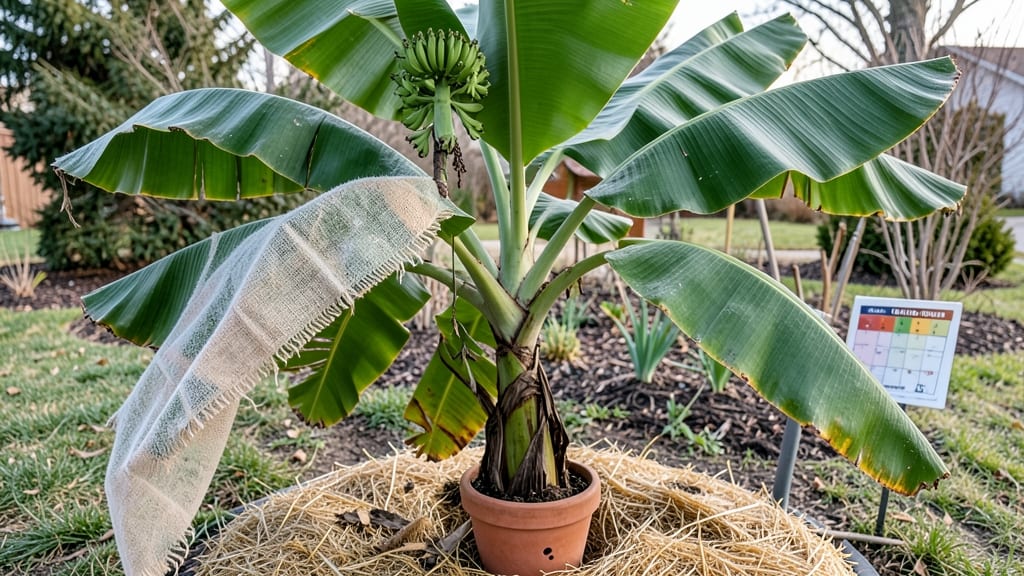
Your Grand Nain banana tree’s cold tolerance can handle Zone 9 winters—but only with the right tricks. 🌱 The moment temperatures dip below 28°F, those broad leaves turn to mush, and the trunk risks splitting.
I’ve lost plants this way, but I’ve also kept them thriving through winters by treating them like delicate tropical divas. The key is protection, not prevention.
Mulch the base with 12+ inches of straw, wrap the trunk in burlap or bubble wrap, and move potted trees to a garage or insulated porch. Even a single frost can damage leaves, but the plant often recovers if the roots stay safe.
By spring, you’ll see new shoots emerging from the base, and with proper care, your tree will rebound stronger than ever. The trade-off? A little extra work now means years of harvests—nothing beats that first ripe banana in July.
For colder zones, consider dwarf Cavendish (hardier) or grow Grand Nain in containers for easy winter relocating. Either way, your tropical dream can survive—with the right winter strategy.
📚 In This Guide
- What you need
- Instructions
- Tips and common mistakes
- Wrapping up and next steps
What you need
- ● Grand Nain banana tree – 1 mature plant (preferably 3+ years old for better cold resilience).
- ● Well-draining soil mix – 50% native soil + 50% compost or coconut coir (improves drainage and warmth retention).
- ● Mulch – 3–4 inches of straw, pine needles, or wood chips (organic mulch traps heat).
- ● Cold frames or row covers – 1–2 heavy-duty frost blankets or a small cold frame (for added insulation).
- ● Burlap or frost cloth – Enough to wrap the trunk and leaves (prevents frost damage).
- ● Stakes or trellis – 2–3 bamboo stakes or metal rods (to support the trunk if needed).
- ● Pruning shears – Sharp, sterilized shears (for trimming dead or damaged leaves).
- ● Thermal mass materials – Black plastic mulch or dark-colored containers (absorbs sunlight to warm the roots).
- ● Mini greenhouse or cloche – A small, clear plastic dome (for extra protection in sudden freezes).
- ● Slow-release fertilizer – Balanced 10-10-10 or banana-specific fertilizer (boosts resilience before winter).
- ● Soil thermometer – To monitor root-zone temperatures (ideal: above 50°F (10°C)).
- ● Drip irrigation system – For gentle watering (avoids shocking roots in cold snaps).
How to protect your Grand Nain banana tree through cold snaps
Zone 9 winters can still drop below 50°F, and Grand Nain banana trees need special care to survive. Here’s how to shield your plant without sacrificing its tropical charm.
🪴 Step 1: Choose the Right Location for Winter Shelter
Move your banana tree to a south-facing wall or protected corner where it benefits from reflected sunlight and windbreak. The wall absorbs daytime warmth and radiates it back at night, raising soil temperatures by 5-10°F. Avoid open spaces where cold air pools—even in Zone 9, frost pockets form in low areas.
If your tree is in a container, roll it onto a wheelbarrow or dolly and relocate it to a sheltered spot. I’ve seen banana trees in 15-gallon pots survive 30°F nights when placed against a brick wall. The key is minimizing exposure to wind, which accelerates heat loss. Test the spot by placing a thermometer at soil level for 24 hours—aim for above 45°F at all times.
✂️ Step 2: Prune and Mulch for Insulation
Trim back fronds that are yellow or brown—these provide no protection and can harbor pests. Cut them at the base with clean, sharp shears, leaving only the healthiest green fronds to trap heat. Avoid heavy pruning in late fall, as new growth is more vulnerable to cold. I like to leave 3-4 mature fronds standing to create a natural windbreak around the pseudostem.
Apply a 4-6 inch layer of straw mulch around the base, piling it higher on the north and east sides where cold winds hit first. Straw insulates better than wood chips because it traps air pockets. For container-grown trees, wrap the pot in bubble wrap or old blankets, securing it with landscape fabric. This adds an extra 10°F of protection without smothering the roots.
💧 Step 3: Adjust Watering to Prevent Root Shock
Reduce watering two weeks before the first frost—banana trees store moisture in their pseudostem, but soggy roots freeze faster. Water deeply every 10-14 days instead of weekly, and always in the morning so excess moisture evaporates by evening. You’ll know you’re doing it right when the top 2 inches of soil feel dry to the touch but the roots stay hydrated.
If your tree is in the ground, water it thoroughly before the first cold snap—hydrated roots are more resilient. For containers, lift the pot slightly and check the drainage hole. If it’s bone-dry, give it a slow drink until water runs out the bottom. Overwatering now is worse than underwatering—root rot in cold soil is a death sentence for banana trees.
☀️ Step 4: Layer Protective Coverings Strategically
Cover the pseudostem and crown with a burlap sack or frost cloth, securing it with brass brads or clothespins. Avoid plastic—it traps moisture and promotes rot. For extra insulation, drape a clear plastic sheet over the top (like a mini greenhouse) to capture daytime heat. Remove it by 10 AM to prevent overheating. I’ve seen banana trees survive 28°F with this method, though below 25°F still risks damage.
If you’re expecting a hard freeze (below 30°F), add a second layer of frost cloth and consider covering the entire plant with a cardboard box cut to size. Prop it up with sticks or stakes so air circulates underneath. The goal is to mimic the microclimate of a greenhouse—warm air stays trapped near the plant while cold air flows above it.
⏰ Step 5: Monitor and Adjust Through the Season
Check your banana tree every morning during cold snaps. Look for blackened leaf tips or wilting fronds—these are early signs of cold damage. If you see ice crystals on the fronds, brush them off gently with a soft brush to prevent tearing. Never use a sharp tool, as it can cut into the tender pseudostem.
Adjust coverings based on forecasted lows. If temperatures are expected to drop below 35°F, add an extra layer. If a warm spell arrives, remove coverings during the day to prevent fungal growth. Banana trees are sensitive to prolonged dampness, so ventilation is just as important as insulation. By spring, you’ll see new shoots emerging from the base—that’s your reward for winterproofing.
Tips & tricks for protecting Grand Nain banana trees in cold weather
Cold snaps can be brutal for tropical plants, but with these targeted strategies, your banana tree will stand a fighting chance in Zone 9 winters.
Microclimate Mastery: The 5-10°F temperature boost from a south-facing wall isn't just about nighttime warmth—it's about creating a thermal buffer. I've found that positioning the tree where it catches reflected sunlight from 10 AM to 2 PM (when solar gain peaks) makes the biggest difference. Use a digital thermometer to confirm your chosen spot stays above 45°F continuously. If your wall is textured (like stucco), the heat retention improves even more.
Pruning Precision: When trimming in Step 2, focus on removing only the non-functional fronds—those with brown tips or yellowing. The remaining 3-4 mature fronds should form a cone shape around the pseudostem. This isn't just for aesthetics; the overlapping fronds create a dead-air insulation layer that can add 3-5°F of protection. Just avoid cutting into the pseudostem itself—those scars never heal properly.
Mulch Science: That 4-6 inch straw mulch isn't just decoration—it's a thermal blanket. The key is the air pockets between straw stalks, which insulate 30% better than compacted mulch. For container trees, combine the straw with 1 inch of pine needles on top—they add an extra 2°F of protection by reflecting radiant heat back to the pot. And here's a pro move: pile the mulch higher on the north side where cold winds hit first.
Covering Strategy: The clear plastic sheet in Step 4 isn't just about trapping heat—it's about creating a mini greenhouse effect. Remove it by 10 AM to prevent overheating, but leave it on during the coolest part of the day (2-4 PM) when temperatures drop fastest. For hard freezes (below 30°F), add a second frost cloth layer—but leave a 1-inch gap between layers to prevent condensation buildup, which can rot the pseudostem.
Pro Tips for Grand Nain Banana Tree Cold Tolerance
- Cold snaps can be brutal for tropical plants, but with these targeted strategies, your banana tree will stand a fighting chance in Zone 9 winters.
- Microclimate Mastery: The 5-10°F temperature boost from a south-facing wall isn't just about nighttime warmth—it's about creating a thermal buffer.
- Pruning Precision: When trimming in Step 2, focus on removing only the non-functional fronds—those with brown tips or yellowing.
Frequently asked questions
about growing Grand Nain banana trees in colder climates—especially in Zone 9—can be tricky! Here’s what you need to know to keep your tropical beauty thriving through chilly winters.How cold can Grand Nain banana trees tolerate before damage occurs?
Grand Nain bananas are not frost-hardy—they’ll suffer damage below 30°F (-1°C). Prolonged exposure to 25°F (-4°C) or lower can kill the plant, though young leaves may show frostbite at 32°F (0°C). Use mulch, row covers, or containers to extend their survival range in Zone 9 winters.
What are the best ways to protect a Grand Nain banana tree in Zone 9 winters?
For Zone 9, combine these strategies:
- Mulch heavily (12+ inches of straw or leaves) to insulate roots.
- Wrap the trunk with burlap or bubble wrap to shield it from wind chill.
- Use a cloche or cold frame for young plants or new growth.
- Move potted trees to a garage or sunroom if temps drop near freezing.
For extreme cold snaps, consider a mini greenhouse or low-profile hoop house.
Can I grow Grand Nain bananas in containers for easier winter protection?
Yes! Container-grown Grand Nain trees are easier to winterize—just move them to a sheltered spot (like a patio or garage) before temps drop. Use a large pot (15+ gallons) with drainage, and bury it halfway in the ground for stability. Black plastic pots absorb heat better than white.
What should I do if my Grand Nain banana tree gets frost damage?
Don’t panic! Prune blackened leaves with sterilized shears, leaving healthy green growth. If the trunk splits or oozes sap, it’s likely dead—remove it and replant in spring. Frosted but still standing? Fertilize lightly in spring to encourage regrowth. Pro tip: Avoid pruning too aggressively—wait until new shoots appear to assess damage.
Are there cold-hardier banana varieties that work better in Zone 9?
If Grand Nain struggles in your Zone 9 winters, try these hardier alternatives:
- Red Dacca (tolerates 20°F (-7°C) with protection).
- Bluggoe (survives 15°F (-9°C) in containers).
- Ice Cream Banana (ornamental, handles 25°F (-4°C)).
While not as sweet as Grand Nain, these varieties offer better cold resilience for Zone 9 gardeners.
Wrapping up and next steps
Growing Grand Nain banana trees in Zone 9 is absolutely doable with the right cold-hardiness strategies! 🌱 By understanding their minimum temperature limits, using protective mulching, and leveraging microclimates, you can enjoy tropical vibes even in cooler months.
Whether you’re a seasoned gardener or just starting out, these tricks will help your banana tree thrive—one frost-free winter at a time.
Ready to put your new knowledge into action? Start by inspecting your tree’s current setup—does it have the protection it needs? If not, grab your materials and give it the winter care it deserves! 🌡️✨