
Pruning
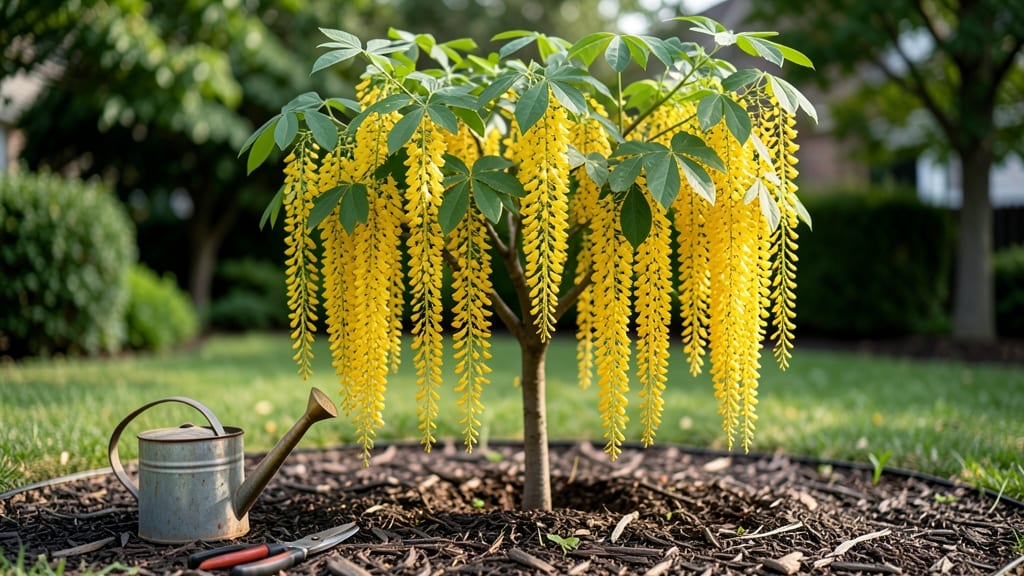
Goldcrest tree care starts with understanding its natural resilience—this drought-tolerant beauty thrives with minimal fuss once you master the right pruning rhythm. 🌿 I've watched mine go from scraggly to showstopping in just two seasons by focusing on strategic cuts that encourage dense, vibrant foliage year-round.
The key lies in timing: prune lightly after flowering to shape growth, then do a deeper cut in late winter before new shoots appear. Overwatering is the real enemy—Goldcrests hate soggy roots, so let the soil dry between waterings.
Most people over-prune, leading to weak branches that struggle to support those iconic golden flowers. You'll end up with a tree that's healthier, more compact, and bursting with fragrant blooms from spring through fall. The foliage stays lush even in heatwaves, and those yellow flowers attract pollinators like crazy.
The secret? Less is more—sharp cuts, not shearing. Works perfectly for urban landscapes, small yards, or even large containers. Here's how to keep yours looking its best through every season."
📚 In This Guide
- What you need
- Instructions
- Tips and common mistakes
- Wrapping up and next steps
What you need
- ● Pruning shears: Bypass pruners (sharp, clean, and dull-resistant) for small branches (4–6 inches in diameter). Quantity: 1 pair.
- ● Loppers: For medium branches (6–12 inches in diameter). Quantity: 1 pair (bypass or anvil type).
- ● Pruning saw: For thick branches (12+ inches). Specs: Curved blade, non-serrated for clean cuts. Quantity: 1.
- ● Gloves: Heavy-duty, cut-resistant gloves to protect hands from thorns or rough bark.
- ○ Disinfectant: 70% isopropyl alcohol or a pruning sealant (optional but recommended to prevent disease spread).
- ● Bucket or bag: For collecting pruned branches (5-gallon capacity or larger).
- ● Ladder or step stool: If your tree is taller than 6 feet. Safety note: Use a stable, non-slip model.
- ● Work apron or old clothing: To protect against sap and debris.
- ● Pruning paint: For sealing larger cuts (prevents decay).
- ● Extension pole pruners: For high branches without a ladder.
- ● Hand saw: Backup for stubborn branches.
- ● Magnifying glass: To inspect buds and growth points closely.
- ● Notebook & pen: For tracking pruning dates and notes on tree health.
How to prune a Goldcrest tree for year-round health
Here's my no-fuss approach to keeping your Goldcrest tree vibrant through every season—no green thumb required.
✂️ Step 1: Assess Growth in Early Spring
Start by examining your Goldcrest tree in late February or March when new growth begins. Look for dead branches (they'll be brittle and snap easily) and crossing limbs (where branches rub together). These are your first targets—they compete for nutrients and invite disease.
Use sharp pruning shears to make clean cuts just outside the branch collar (the swollen area where the branch meets the trunk). Avoid leaving stubs, which can rot and attract pests. I always prune on a dry day—wet branches are harder to evaluate and can spread fungal spores.
☀️ Step 2: Thin the Canopy in Late Spring
Once the tree has fully leafed out in May or June, focus on thinning the canopy to improve airflow. Remove up to 25% of the foliage by selectively cutting back branches that grow inward or downward. This prevents dense shading that can stress the tree.
Make cuts at the branch collar again, and avoid over-pruning—you want to maintain the tree's natural shape while letting sunlight reach the inner branches. I test my cuts by looking through the canopy from outside: if I can see light filtering through evenly, I've done enough.
🌿 Step 3: Light Maintenance in Summer
During the growing season (July to August), keep an eye out for water sprouts (fast-growing, vertical shoots) and suckers (shoots at the tree's base). These saplings drain energy from the main tree. Snip them off at the base with clean pruners—no need for fancy cuts here, just quick removals.
This is also when I check for diseased or pest-damaged leaves. If you spot yellowing, curling, or unusual spots, prune those branches immediately and dispose of them in the trash (not your compost). A few minutes of vigilance now prevents major issues later.
⏰ Step 4: Prepare for Winter in Late Fall
In October or November, give your Goldcrest tree a final check before dormancy. Remove any dead or dying branches that may have missed earlier cuts, and trim back any growth that looks weak or stunted. This helps the tree enter winter with clean energy reserves.
I avoid heavy pruning in fall because fresh cuts can't heal properly before cold sets in. Instead, focus on sanitizing your tools with rubbing alcohol after each cut—this prevents spreading any lingering fungal spores. A light cleanup now sets your tree up for strong spring regrowth.
🪴 Step 5: Post-Winter Inspection and Adjustments
After winter (February), do a quick scan for winter damage—look for broken branches or split bark. Prune these carefully, but avoid heavy cuts. The tree is still vulnerable after dormancy, so let it recover gradually. I also check the tree's overall shape and make minor adjustments if needed.
This is the perfect time to plan your pruning schedule for the year ahead. Mark your calendar for the next late February/March session—consistency is key to keeping your Goldcrest tree healthy and lush. A little attention now means fewer surprises later.
Tips & tricks for perfect Goldcrest tree pruning
A few simple strategies will help you maintain your Goldcrest tree's health and beauty with minimal effort.
Timing is Everything: The late February/March window for Step 1 is critical because that's when your tree starts its active growth cycle. Pruning too early can stimulate new growth that won't harden off before winter, while waiting too long means you're cutting into next year's buds. I mark my calendar with reminders—this timing makes all the difference for spring recovery.
The Branch Collar Rule: In Step 1 and all subsequent steps, always cut just outside the branch collar (that swollen area where the branch meets the trunk). This is where the tree's natural healing begins. I've seen too many pruning mistakes where people leave stubs—these create entry points for disease and pests. Think of it as giving your tree a clean surgical cut rather than a jagged tear.
Canopy Light Test: For Step 2's canopy thinning, I've developed a simple test: stand outside your tree and look through the branches toward the sky. If you can see light filtering through evenly, you've achieved the right balance. This visual cue helps prevent over-pruning, which can stress your tree. Aim for that 25% reduction guideline—any more than that and you risk exposing the center to too much direct sunlight.
Disease Prevention: During Step 3's summer maintenance, I can't stress enough how important it is to sanitize your tools between cuts. A quick wipe with rubbing alcohol (as mentioned in Step 4) prevents spreading fungal spores from diseased branches to healthy ones. I keep a small bottle of alcohol in my tool pouch—it takes 10 seconds but saves hours of cleanup later. Also, never compost pruned diseased material—toss it in the trash instead.
Pro Tips for Goldcrest Tree Care
- A few simple strategies will help you maintain your Goldcrest tree's health and beauty with minimal effort.
- Timing is Everything: The late February/March window for Step 1 is critical because that's when your tree starts its active growth cycle.
- The Branch Collar Rule: In Step 1 and all subsequent steps, always cut just outside the branch collar (that swollen area where the branch meets the trunk).
Frequently asked questions
Got questions about keeping your Goldcrest tree thriving? You’re not alone! Here are some of the most common queries—plus quick, actionable answers to keep your tree lush and healthy year-round.
When is the best time to prune a Goldcrest tree?
The ideal time to prune is late winter or early spring (before new growth starts). This encourages vigorous spring blooms and maintains shape. Avoid heavy pruning in fall—it can stress the tree before winter. Light trimming to remove dead branches is fine year-round, but never prune during frost.
How much can I trim without harming the tree?
For a Goldcrest, never remove more than 25% of the foliage in one session. Focus on shaping, thinning, and deadwood removal. Over-pruning weakens the tree and reduces flowering. If you’re unsure, start with small cuts and monitor the tree’s recovery over a few weeks.
Why are my Goldcrest leaves turning yellow or dropping?
Yellowing or dropping leaves often signal overwatering, underwatering, or pest issues. Check the soil—it should be moist but not soggy. Spider mites or aphids can also cause stress. Inspect the undersides of leaves and treat with neem oil if pests are present. Adjust watering based on your climate (drought-prone areas need deeper, less frequent watering).
Can I prune a Goldcrest tree in summer?
Summer pruning is possible, but do it minimally. Heavy pruning in hot months stresses the tree and can invite pests. If you must trim, water thoroughly before and after and avoid cutting during peak heat (10 AM–4 PM). Focus on removing only dead or diseased branches—save major shaping for winter.
What’s a good alternative if my Goldcrest tree isn’t thriving?
If your Goldcrest struggles with pests, disease, or harsh climates, consider these low-maintenance alternatives with similar foliage:
- Abelia ‘Kaleidoscope’ – Drought-tolerant, vibrant blooms, and easy pruning.
- Weigela ‘Wine & Roses’ – Hardy, fast-growing, and great for hedges.
- Forsythia – Cold-resistant, early spring blooms, and minimal upkeep.
Wrapping up and next steps
Caring for your Goldcrest tree with year-round pruning is a rewarding way to keep its foliage vibrant and healthy! 🌿 By following seasonal best practices—like light trimming in spring, shaping in summer, and protective cuts in fall—you’ll encourage strong growth and stunning blooms.
Remember, consistency is key, and even small efforts make a big difference over time.
Now that you’re armed with the know-how, why not grab those shears and give your tree some love today? Start with a quick check of its branches, and soon, you’ll be enjoying a lush, thriving Goldcrest that’s the envy of the neighborhood! 🌟