
Pruning
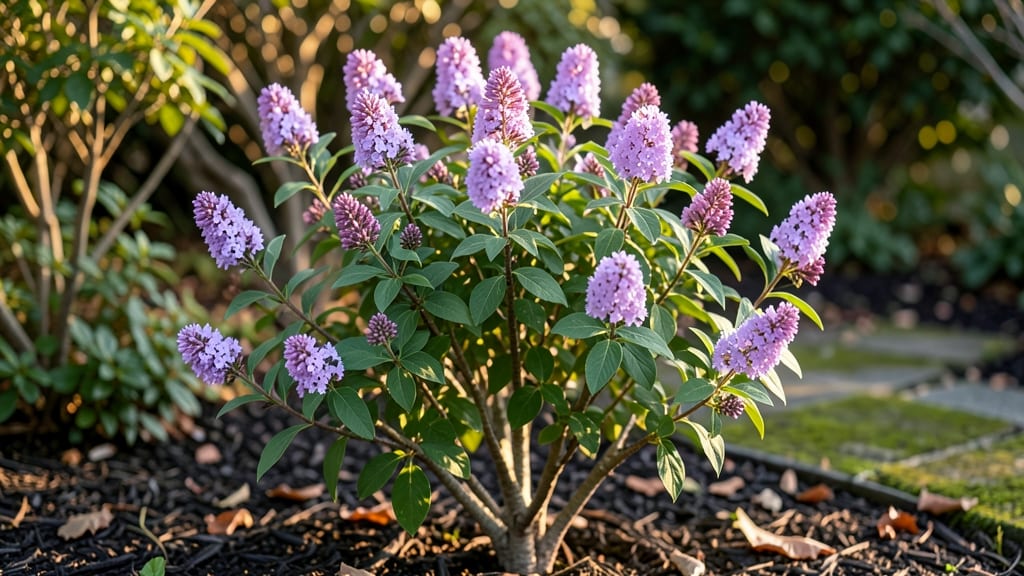
Winter pruning your dwarf Korean lilac tree isn’t just about clean cuts—it’s the secret to year-round blooms that make your garden smell like spring even in January. ✨ I’ve learned that skipping this step means fewer flowers and leggy growth, but three simple cuts in late winter can transform your plant into a fragrant, bushy powerhouse by summer.
The best time to prune is right after the last frost but before new growth starts, usually in February or early March. Grab your pruners, gloves, and a bucket for clippings—you’ll be working with branches that are still dormant but ready to respond.
Focus on removing dead wood, thinning crowded stems, and shaping the tree to encourage airflow, which prevents disease and keeps blooms coming.
After pruning, your lilac will reward you with earlier and more abundant blooms than ever before. The fragrance alone—like sweet jasmine on a crisp morning—makes the effort worth it. Plus, the right cuts now mean fewer surprises later, like overcrowded branches or weak flowering stems.
For gardeners in colder zones, don’t forget to mulch around the base with 2-3 inches of organic mulch to protect roots from freeze-thaw cycles.
A light winter watering (if the ground isn’t frozen) keeps the soil from drying out too much, setting your lilac up for a strong rebound when spring arrives.
📚 In This Guide
- What you need
- Instructions
- Tips and common mistakes
- Wrapping up and next steps
What you need
- ● Pruning shears: Bypass pruners (sharp, 6-8" blade) – 1 pair (for small branches).
- ● Loppers: Bypass or anvil type (8-10" blade) – 1 pair (for thicker stems up to 1.5").
- ○ Hand pruners: Bypass style (for precision cuts) – 1 pair (optional but helpful).
- ● Gloves: Heavy-duty, cut-resistant (to protect from thorns) – 1 pair.
- ● Disinfectant: 70% isopropyl alcohol or pruning sealant (to sterilize tools) – small bottle.
- ○ Pruning saw: Curved-tooth blade (for stubborn, thick branches) – 1 (optional, if needed).
- ● Ladder or step stool: Sturdy, non-slip (if tree is 6+ feet tall) – 1.
- ● Timing: Prune after the first hard frost but before new growth starts (late winter, ideally February).
- ● Weather: Dry, calm day (avoid pruning if rain is forecasted within 24 hours).
- ○ Safety gear: Safety glasses (optional but recommended for debris protection).
- ● Cleanup supplies: Garden bag or bucket (for trimmings) – 1.
Instructions for pruning your dwarf Korean lilac in winter
Here’s how to refresh your dwarf Korean lilac so it bursts with spring blooms—no complicated techniques needed.
✂️ Step 1: Wait for Dormancy and Choose the Right Time
Prune your dwarf Korean lilac in late winter, just as buds begin to swell but before new growth starts. This is typically February or early March in most climates. The key is to catch it between the coldest months and the first signs of spring—when the plant is dormant but not yet active.
Look for tight, plump buds along the branches; these signal the tree is ready. Avoid pruning in fall or early winter, as it leaves the plant vulnerable to cold damage. If you miss this window, wait until after the first flush of blooms in spring, but you’ll sacrifice some early-season flowers.
✂️ Step 2: Remove Dead, Weak, or Crossing Branches
Start by inspecting the tree for dead wood—branches that are brittle, cracked, or lack leaves. Snip these off at the base with clean, sharp pruners. Next, look for weak or spindly growth that never bloomed well or grew inward. These branches compete with stronger stems for energy and should be cut back to the main trunk or a healthy lateral branch.
Check for crossing or rubbing branches—these can damage bark and invite disease. Remove one of the two branches where they intersect, cutting back to a bud or side branch that grows outward. Always make cuts at a 45-degree angle just above an outward-facing bud to encourage healthy growth. I like to step back occasionally to visualize the tree’s shape—this helps me avoid over-pruning.
✂️ Step 3: Thin Out Overcrowded Areas for Better Airflow
Dwarf Korean lilacs thrive when they get plenty of airflow, so focus on thinning out dense areas. Look for clusters of branches growing too close together—these create shaded spots where moisture lingers, increasing the risk of fungal issues. Aim to remove one-third of the oldest wood to rejuvenate the tree and encourage new, vigorous growth.
When thinning, prioritize branches that are thinner than a pencil or have fewer blooms. Cut these back to a strong lateral branch or the main stem. Avoid "heading back" (cutting the tips of branches) unless you’re shaping the tree—this can stimulate too much leafy growth at the expense of flowers. After pruning, the tree should look open and airy, with light able to reach the center.
⏰ Step 4: Clean Up and Apply a Light Mulch
Once you’ve finished pruning, rake up all the clippings and dispose of them in the trash—not the compost pile. Lilac prunings can harbor fungal spores, and composting them risks spreading disease back to your garden. Next, apply a 2- to 3-inch layer of mulch around the base of the tree, keeping it 6 inches away from the trunk to prevent rot.
Use organic mulch like shredded bark or wood chips to retain moisture and regulate soil temperature. Water the tree deeply after pruning to help it recover, but avoid overwatering—dwarf lilacs prefer well-drained soil and can suffer from root rot if soggy. In 2-3 weeks, you should see new growth emerging from the pruned areas, signaling the tree is healing well.
Tips & tricks for perfect dwarf Korean lilac pruning
Here's what nobody tells you about making this simple process even easier—and avoiding common mistakes that can stress your tree.
Timing is Everything: The February-to-early-March window is non-negotiable for dwarf Korean lilacs. I learned this the hard way after pruning too early in January—my tree struggled to recover and produced fewer blooms the following spring. If you're in a warmer climate, watch for those tight, plump buds to swell slightly, as this is your cue to prune. This precise timing ensures you're cutting when the tree is dormant but ready to rebound with new growth.
Tool Prep Prevents Problems: Before you even touch your lilac, sharpen your pruners and disinfect them with rubbing alcohol. Dull blades tear wood instead of making clean cuts, which can invite disease. I also like to wear gloves—lilac branches can be surprisingly thorny, and the sap can stain clothes. Pro tip: Wipe down your tools between cuts on different branches to prevent spreading any potential fungal spores that might be hiding in your tree.
Visualize the Shape: Step back and look at your tree from all angles before making any cuts. The goal is to create an open, vase-like shape that allows sunlight and air to reach the center. In Step 2, when removing crossing branches, imagine the tree's natural growth pattern—cutting back to outward-facing buds encourages the tree to grow in a way that maximates bloom production. This simple visualization technique has saved me from over-pruning and creating awkward shapes that look unnatural.
Mulch Matters More Than You Think: That 2- to 3-inch layer of organic mulch isn't just decorative—it's crucial for your tree's recovery. Spread it evenly but keep it 6 inches away from the trunk to prevent rot. I've found that using shredded bark mulch works best because it breaks down slowly, providing long-term moisture retention. After applying mulch, give your tree a deep watering to help it establish new roots quickly. This step is often overlooked but makes a world of difference in how quickly your lilac recovers and blooms again.
Pro Tips for Dwarf Korean Lilac Tree In Winter
- Here's what nobody tells you about making this simple process even easier—and avoiding common mistakes that can stress your tree.
- Timing is Everything: The February-to-early-March window is non-negotiable for dwarf Korean lilacs.
- Tool Prep Prevents Problems: Before you even touch your lilac, sharpen your pruners and disinfect them with rubbing alcohol.
Frequently asked questions
Does a dwarf Korean lilac lose all its leaves in winter?
A dwarf Korean lilac (Syringa meyeri) is deciduous, so it will drop its leaves in late fall and enter dormancy. Don’t worry—this is normal! The woody structure and buds remain protected, ready to burst into blooms once spring arrives. Pruning in late winter (before buds swell) helps stimulate fresh growth.
When is the best time to prune for winter blooms?
Prune your dwarf Korean lilac immediately after flowering (late spring) and again in late winter (February–March). Late winter pruning removes dead wood and shapes the tree, while post-bloom cuts encourage next year’s flowers. Never prune after mid-summer—this can reduce next season’s blooms!
Can I prune too much? What if I cut back too far?
Dwarf Korean lilacs are forgiving, but avoid heavy pruning—never remove more than 1/3 of the plant’s height in one season. Over-pruning can stress the tree, delay blooms, or expose it to pests. If you accidentally cut too much, focus on light shaping in subsequent years and fertilize lightly in spring to recover.
What if my dwarf Korean lilac isn’t blooming in winter?
Winter blooms are rare for lilacs—they typically flower in spring. If you’re seeing any flowers in winter, it might be due to mild weather. To encourage more blooms, prune correctly, ensure full sun (6+ hours/day), and fertilize with low-nitrogen blooming formula in early spring. Patience is key!
How cold can a dwarf Korean lilac handle in winter?
These hardy trees thrive in USDA Zones 3–8 and tolerate temps down to -30°F (-34°C). In extreme cold (below -20°F/-29°C), mulch the base with 2–3 inches of shredded bark to protect roots. Young trees may need winter wrap or burlap for the first few years in harsh climates.
Wrapping up and next steps
The dwarf Korean lilac tree thrives with just a little winter care—pruning isn’t just about shaping, it’s about unlocking year-round blooms with minimal effort. By mastering those 3 simple cuts, you’ll reward yourself (and pollinators!) with vibrant flowers from early spring through late winter. 🌸
Ready to transform your yard? Grab your pruners, follow the steps, and watch your lilac shine brighter than ever. Next up: Share your pruned masterpiece with fellow gardeners or plan a cozy winter day to enjoy its fragrant blooms with a warm cup of tea. 🍵