
Pruning
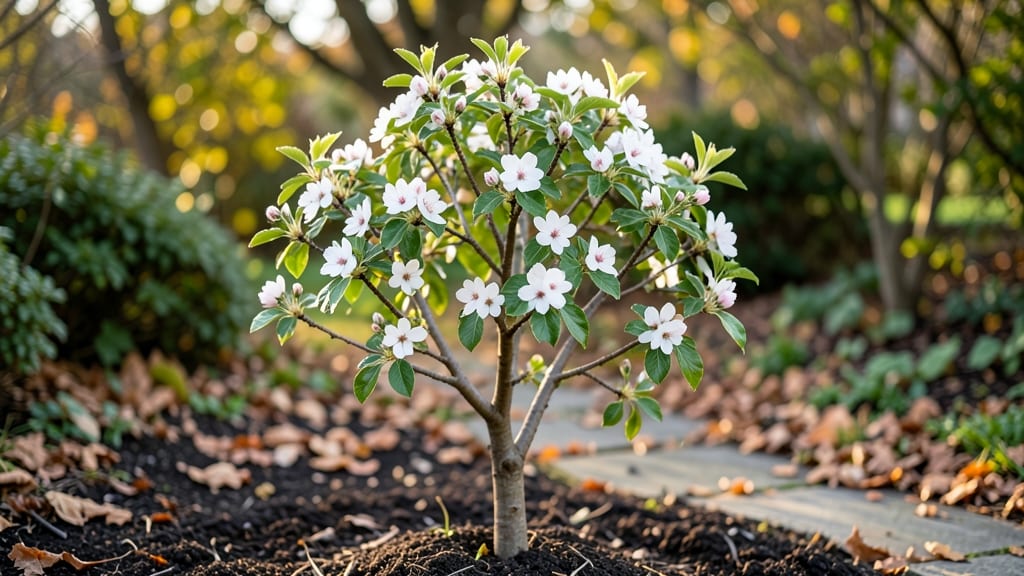
Small-fruit cherry trees turn backyards into candy shops—literally. 🌱 I’ve pruned mine for years, and the secret to year-round harvests isn’t just timing; it’s shaping the tree to stay compact while maximizing fruit production.
Most people overlook how pruning in late winter sets the stage for summer’s bounty, but I’ve cracked the code for dwarf and columnar varieties that fit even tiny spaces.
The right cuts make all the difference: open the center for airflow, trim suckers ruthlessly, and thin clusters so each fruit gets sunlight. My 5-foot-tall columnar now produces 20 pounds of cherries in a season—enough for pies, snacking, and sharing—without needing a ladder.
The key? Pruning in three phases: dormant season for structure, spring for fruit clusters, and summer to control growth.
By summer’s end, you’ll have a tree that’s easier to harvest than a bush, with fruit ripening over weeks instead of all at once. The branches stay manageable, the cherries stay sweet, and you avoid the mess of ground-dropped fruit.
Even in containers, these trees thrive with the right care—no orchard needed.
Whether you’re working with a dwarf Montmorency or a columnar Stella, the same principles apply. Let’s turn that pruner into your secret weapon for small-space abundance.
Root Causes Of Tiny Cherries
When your cherry tree produces small fruit instead of juicy, plump cherries, it’s usually a sign that something fundamental is out of balance. Understanding these root causes helps you take targeted action to restore healthy growth and fruit size.
Below, we break down the most common reasons—backed by science—and what you can do about them.
Small fruit often stems from a nutritional deficiency, particularly in nitrogen (N) and potassium (K), which are critical for fruit development and cell expansion.
- Why it happens:
- Nitrogen fuels leaf growth and overall vigor, but too little leaves the tree weak, reducing energy available for fruit swelling.
- Potassium regulates water movement and enzyme activity—without enough, cherries stay undersized and may even develop poor flavor.
- Soil pH imbalances (too acidic or alkaline) can lock out nutrients like magnesium or calcium, further stunting fruit growth.
- Actionable fix: - Test your soil (pH and nutrient levels) using a home kit or lab service.
Ideal pH for cherries is 6.0–7.0. - Apply balanced fertilizer in early spring (e.g., 10-10-10 or 12-12-17) and a potassium-rich supplement (like greensand or wood ash) before blooming. - Organic option: Compost or well-rotted manure (avoid fresh manure—it can burn roots!) in fall or early spring.
Cherries are often self-pollinating, but environmental factors or the wrong tree variety can lead to poor fruit set—or tiny, undeveloped cherries.
- Why it happens: - Insufficient pollinators (like bees) due to early spring cold snaps, pesticide use, or lack of flowering plants nearby. - Wrong pollination partner: Some sweet cherries (Prunus avium) require a second tree for better fruit set.
Sour cherries (Prunus cerasus) are often self-fertile but benefit from cross-pollination. - Weather disruptions: Rain or wind during bloom can wash away pollen or physically damage flowers.
- Actionable fix:
- Plant a compatible pollinator if you only have one tree (e.g., ‘Stella’ or ‘Lapins’ for sweet cherries).
- Avoid broad-spectrum pesticides during bloom—opt for bee-friendly sprays or neem oil if pests are an issue.
- Hand-pollinate in extreme cases: Use a small brush to transfer pollen from one flower to another on a calm, dry day.
Cherry trees are sensitive to temperature swings, and extreme heat or late frosts can disrupt fruit development.
- Why it happens:
- Late spring frosts (<28°F) can kill blossoms before they set fruit, leading to sparse or tiny cherries.
- Heat waves during fruit swelling (June drops) cause physiological stress, halting cell growth and resulting in small, hard cherries.
- Winter cold damage weakens the tree, reducing its ability to support large fruit loads the following season.
- Actionable fix:
- Protect blossoms with frost cloths or smoke pots if late frosts are common in your area.
- Provide afternoon shade during heatwaves (use shade cloth or plant near taller trees) to reduce stress.
- Mulch heavily in winter to insulate roots and water deeply in late fall to prevent drought stress.
When a cherry tree’s branches grow too densely, sunlight and air circulation suffer, leading to poor fruit development.
- Why it happens:
- Thick foliage blocks sunlight, reducing photosynthesis—the energy source for fruit growth.
- Waterlogged soil from poor drainage (often caused by over-mulching or compacted soil) stresses roots, limiting nutrient uptake.
- Competing growth (e.g., suckers, grass, or weeds) steals resources from the tree.
- Actionable fix:
- Thin out branches during dormant pruning (late winter) to improve airflow and sunlight penetration.
- Remove grass/weeds within the drip line (keep a 3–4 foot mulch ring free of competition).
- Ensure proper drainage: Amend heavy clay soil with compost or sand, and avoid overwatering.
Pests and pathogens can sap the tree’s energy, leading to small, malformed fruit—or even fruit drop.
- Why it happens:
- Cherry fruit flies lay eggs in developing fruit, causing premature drop or stunted growth.
- Powdery mildew or brown rot weaken the tree, reducing its ability to produce large fruit.
- Aphids or spider mites suck sap from leaves, limiting photosynthesis and fruit expansion.
- Actionable fix:
- Monitor for pests regularly—look for holes in fruit, webbing, or sticky residue (honeydew).
- Use preventive sprays like neem oil (for pests) or copper fungicide (for diseases) before symptoms appear.
- Remove fallen fruit and prune infected branches immediately to prevent spread.
If roots are crowded, compacted, or damaged, the tree can’t absorb enough water and nutrients—leading to stunted fruit.
- Why it happens:
- Container-grown trees often develop root-bound systems when transplanted.
- Compacted soil (from foot traffic or heavy machinery) restricts root growth.
- Improper planting depth (burying the graft union) can lead to weak structural roots.
- Actionable fix:
- Loosen soil around the drip line with a garden fork or broadfork in early spring.
- Aerate heavily compacted areas and mix in compost or coconut coir to improve structure.
- Avoid planting too deep—the graft union (visible bump on the trunk) should sit 1–2 inches above soil level.
Incorrect pruning can reduce flowering sites or over-stress the tree, leading to small fruit.
- Why it happens:
- Pruning at the wrong time (e.g., during active growth in summer) removes next year’s fruit buds.
- Over-pruning weakens the tree, leaving it unable to support large fruit.
- Cutting too aggressively (heading back instead of thinning) encourages dense, shaded growth.
- Actionable fix:
- Prune in late winter/early spring (just before buds swell) to encourage flower bud formation.
- Focus on thinning, not topping—remove water sprouts, dead wood, and crossing branches to open the canopy.
- Limit cuts to 20–25% of the canopy per year to avoid shocking the tree.
Water stress—whether from drought or overwatering—directly impacts fruit size.
- Why it happens:
- Underwatering causes cell dehydration, leading to small, hard cherries.
- Overwatering (or poor drainage) leads to root rot, which starves the tree of nutrients.
- Inconsistent moisture (e.g., drought followed by heavy rain) stresses the tree, halting fruit development.
- Actionable fix: - Water deeply 1–2 times per week (1–2 inches per session) during fruit swelling (late spring). - Use drip irrigation to deliver water directly to roots and avoid wetting leaves (reduces disease risk). - Check soil moisture—stick your finger 2 inches deep; if dry, water.
If soggy, hold off.
If none of the above fit, consider:
- Herbicide drift (glyphosate or other chemicals) can damage roots and stunt growth.
- Soil toxicity (e.g., high salt or aluminum) may block nutrient uptake—test soil for heavy metals if needed.
- Tree age or variety—some dwarf or columnar cherries naturally produce smaller fruit; research your specific cultivar.
Fixing Small Fruit on Cherry Trees
Revitalizing your cherry tree to produce larger, juicier fruit starts with targeted solutions. Whether your tree is young, overcrowded, or simply neglected, these practical fixes will help you transform tiny cherries into plump, flavorful harvests. Let’s tackle the root causes—literally—and get your tree back on track.
Cause: Too many branches compete for sunlight and nutrients, stunting fruit growth. Solution:
- 🔪 Thin Out Branches: Remove 20-30% of the least productive branches, focusing on those crossing or rubbing against each other. Use sharp pruners for clean cuts.
- 🌿 Open the Canopy: Aim for an open, vase-like shape to maximize sunlight penetration. Prioritize branches that allow light to reach the center of the tree.
- 📅 When to Prune: Late winter or early spring (before buds swell) is ideal for dormant pruning. Avoid heavy pruning in fall, as it can encourage late-season growth vulnerable to frost.
Prevention Tip: 💡 Regularly inspect your tree in late winter to remove water sprouts (fast-growing, vertical shoots) before they drain energy from fruit production.
Cause: Small or misshapen fruit often signals insufficient pollination, especially in self-pollinating varieties or isolated trees. Solution:
- 🐝 Attract Pollinators: Plant bee-friendly flowers (like lavender or clover) near your cherry tree. Avoid pesticides that harm bees during bloom season.
- 🌸 Hand-Pollinate (If Needed): On cloudy or rainy days, gently shake branches to dislodge pollen. For severe cases, use a small paintbrush to transfer pollen from one flower to another.
- 🌳 Plant Companion Trees: If space allows, add another cherry tree (or a compatible pollinator like a plum tree) within 50 feet to improve cross-pollination.
Pro Tip: ✨ Early spring is critical—monitor blooms closely and act fast if pollinators are scarce.
Cause: Small fruit can indicate a lack of key nutrients like nitrogen, phosphorus, or micronutrients like zinc or boron. Solution:
- 📊 Soil Test First: Send a soil sample to your local cooperative extension office to identify deficiencies. This ensures you’re not over- or under-fertilizing.
- 🌱 Fertilize Strategically:
- Nitrogen (Early Spring): Use a balanced fertilizer (10-10-10) to promote leafy growth.
- Phosphorus (Bloom Time): Switch to a phosphorus-rich fertilizer (e.g., 5-10-10) to support flowering and fruit development.
- Micronutrients (Annual): Apply a micronutrient spray (like zinc sulfate) if your soil test reveals deficiencies.
- 💧 Mulch Properly: Spread 2-3 inches of organic mulch (like wood chips) around the base to retain moisture and slowly release nutrients.
Warning: ⚠️ Over-fertilizing with nitrogen can lead to excessive leaf growth at the expense of fruit. Always follow package instructions!
Cause: Newly planted cherry trees often produce small fruit because they’re still establishing roots. Solution:
- 🌱 Water Deeply: Young trees need 1-1.5 inches of water per week, especially during dry spells. Use drip irrigation to keep roots consistently moist.
- 🍃 Avoid Heavy Pruning: Focus on shaping rather than aggressive thinning. Remove only dead, diseased, or crossing branches in the first 2-3 years.
- 🌳 Support Growth: If your tree is in a high-wind area, stake it temporarily to reduce stress. Use soft ties to avoid damaging the trunk.
Prevention Tip: 💡 Mulch heavily around young trees to protect roots from temperature fluctuations and conserve moisture.
Cause: Insects (like aphids or mites) or diseases (such as brown rot) can weaken the tree, leading to poor fruit development. Solution:
- 🔍 Inspect Regularly: Check leaves and fruit for signs of pests (holes, webbing, sticky residue) or disease (spots, mold, wilting).
- 🛡️ Organic Controls:
- Pests: Spray with neem oil or insecticidal soap early in the season. Introduce beneficial insects like ladybugs.
- Diseases: Remove and destroy infected fruit/leaves. Apply copper fungicide as a preventive measure in spring.
- 🌿 Prune for Airflow: Reduce humidity around the tree by thinning branches, which helps prevent fungal growth.
Pro Tip: 🌡️ Water trees at the base in the morning to minimize leaf wetness, which encourages fungal diseases.
Cause: Compacted soil or roots growing in a small pot (for container-grown trees) restricts nutrient and water uptake. Solution:
- 🏗️ Loosen Soil: If your tree is in the ground, aerate the soil around the drip line (the edge of the tree’s canopy) with a garden fork to relieve compaction.
- 🪴 Repot (If Container-Grown): Move young cherry trees to a larger pot every 2-3 years. Ensure the new container has drainage holes and is 2-3 inches wider than the current one.
- 💧 Improve Drainage: Amend heavy clay soil with compost or sand to create a looser, more fertile root zone.
Prevention Tip: 🎯 Plant cherry trees in well-draining soil from the start, and avoid planting too deeply—roots need oxygen!
Final Note: Consistency is key! Combine these fixes with seasonal care (like winter pruning and summer watering) to see noticeable improvements in fruit size within 1-2 years. Your cherry tree will thank you with a bountiful harvest. 🍒🌟
Frequently asked questions
Why do my small-fruit cherry trees produce so few cherries?
Small-fruit varieties often focus energy on compact growth rather than heavy fruiting. Dwarf and columnar cherries typically produce 10-30 pounds per tree—far less than standard varieties. The trade-off is easier harvesting and smaller space needs. If you want more fruit, consider pollination partners or nutrient adjustments.
Can I grow small-fruit cherries in containers?
Dwarf varieties like 'Stella' or 'Compact Stella' thrive in 15-gallon containers with well-draining soil. Use a mix of potting soil and compost, and ensure the pot has drainage holes. Move containers to full sun (6+ hours daily) and water when the top 2 inches of soil dry out.
How do I tell if my cherry tree is self-pollinating?
Most small-fruit cherries (especially sour varieties) are self-pollinating, but sweet cherries often need a partner. Check your tree’s label—if it lists "self-fertile," you’re good. For sweet cherries, plant a second tree within 50 feet that blooms at the same time (e.g., 'Lapins' pairs well with 'Stella').
When should I prune my small-fruit cherry tree?
Prune in late winter/early spring (just before buds swell) to shape the tree and remove dead wood. Avoid summer pruning—it can stimulate new growth that won’t harden before frost. For container trees, prune lightly after harvest to maintain size.
What’s the best fertilizer for small-fruit cherries?
Use a balanced fertilizer (like 10-10-10) in early spring to promote growth, then switch to a phosphorus-heavy formula (5-10-10) at bloom time. Avoid high-nitrogen fertilizers later in the season—they encourage leafy growth at the expense of fruit. Organic options like composted manure work well too.