
Pruning
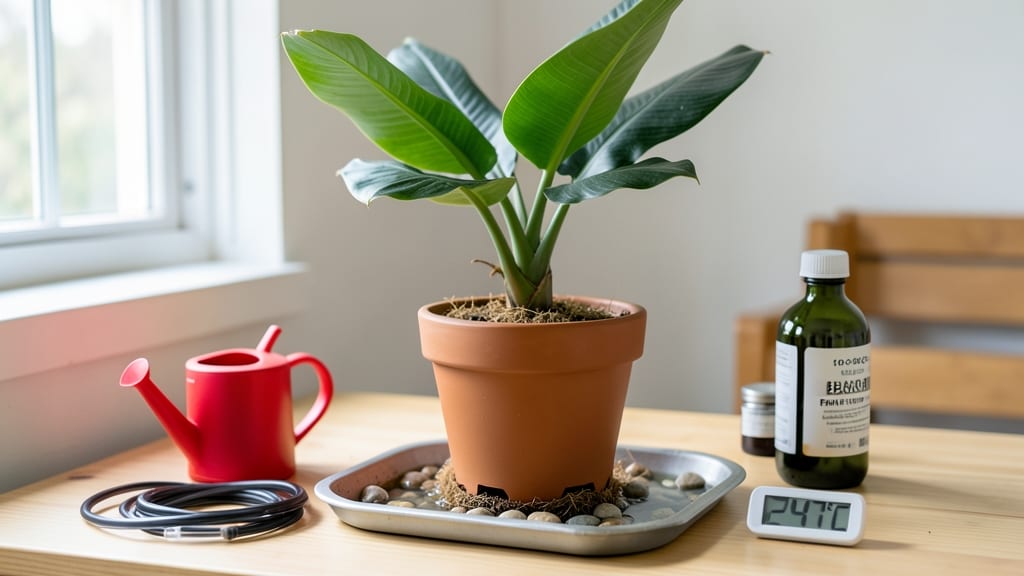
The care of your dwarf Cavendish banana tree can thrive year-round with the right pruning strategy—it’s not as tricky as it seems. 🌿 I’ve grown mine for three seasons now, and the secret isn’t just cutting back but understanding when and why to do it. The key is balancing growth and fruit production without stressing the plant.
These tropical beauties love bright, indirect light—think east-facing windows or a shaded patio—and humidity levels above 50%. If your home runs dry in winter, a pebble tray or humidifier works wonders.
The soil should stay moist but never soggy, and feeding every 6-8 weeks with a balanced fertilizer keeps them happy. Most mistakes come from overwatering or pruning at the wrong time.
With the right approach, you’ll see new shoots emerge within weeks of pruning, and those iconic banana bunches will form reliably. The trick is light pruning year-round to maintain shape and heavier cuts in late winter to encourage fresh growth. Even if you’ve struggled before, this method makes it simple.
Let’s break down the exact steps—from trimming dead fronds to fertilizing for fruit—so your banana tree stays lush, productive, and trouble-free all year. No green thumb required, just patience and a sharp pair of shears.
📚 In This Guide
- What you need
- Instructions
- Tips and common mistakes
- Wrapping up and next steps
What you need
- ● Dwarf Cavendish banana plant (potted or bare-root, disease-free) – 1-2 plants per container
- ● Well-draining potting mix – 50% peat/coir, 30% perlite/pumice, 20% compost (10-15 gallons per plant)
- ● Large container or raised bed – At least 18" deep × 24" wide (dwarf varieties need room to spread)
- ● Pruning shears or sharp knife – Sterilized with rubbing alcohol (for clean cuts)
- ● Garden gloves – Heavy-duty, cut-resistant (banana pseudostems are sharp!)
- ● Balanced fertilizer – 10-10-10 or organic options like fish emulsion (5-10 lbs per season)
- ● Mulch (straw or wood chips) – 2-3 inches thick (retains moisture and regulates temperature)
- ● Watering can or hose with gentle spray nozzle – Avoid overhead watering to prevent fungal issues
- ● Support stake or trellis – For taller varieties or windy areas
- ● Slow-release fertilizer spikes – Convenient for busy gardeners
- ● Banana tree-specific fungicide – Preventative treatment for black sigatoka or leaf spot
- ● Thermometer/hygrometer – Monitor ideal temps (75-85°F) and humidity (60-80%)
- ● Compost tea or worm castings – Boosts soil microbial life for healthier roots
Instructions for dwarf Cavendish banana tree care
Here's how I maintain my Dwarf Cavendish banana trees year-round—simple pruning and care that keeps them thriving indoors or in mild climates.
🌱 Step 1: Select the Right Location for Year-Round Growth
Place your banana tree where it receives bright, indirect light for at least 6-8 hours daily. A south-facing window or a grow light positioned 12-18 inches away works best. Direct sun can scorch the large leaves, so avoid placing it near hot windows or midday rays. I notice my trees grow most vigorously when they get morning sun and afternoon shade—this balances light exposure without stressing the plant.
Banana trees thrive in 70-85°F temperatures year-round. If your home dips below 60°F at night, move the plant away from drafts or use a small space heater to maintain warmth. Cold drafts cause leaf yellowing and stunted growth, so I always keep mine near an interior wall during winter. A simple thermometer near the plant helps track temperature fluctuations.
✂️ Step 2: Prune Strategically to Encourage New Growth
Remove any yellow or brown leaves immediately—they drain energy from the plant. Use clean, sharp pruning shears to cut 1 inch above the leaf base, avoiding healthy tissue. I prune my banana trees every 4-6 weeks to maintain shape and remove dead foliage. Never cut more than 1/3 of the plant at once, as this stresses the tree and can delay flowering.
When your banana tree produces a flower stalk, let it grow until it turns brown and dies back naturally. Once it's fully brown and crispy, cut it off at the base. This redirects the plant's energy toward producing a new stalk and potentially fruit. I've found that removing old flower stalks in late winter or early spring gives my trees a fresh start for the growing season.
💧 Step 3: Water Deeply and Maintain Consistent Moisture
Water your banana tree when the top 2-3 inches of soil feel dry to the touch. Stick your finger into the soil to check moisture levels—banana trees prefer consistently moist but never soggy soil. I water deeply until water runs out the drainage holes, then wait until the soil surface dries slightly before watering again. Overwatering leads to root rot, which is fatal for banana trees.
Use room-temperature water to avoid shocking the roots. Banana trees love humidity, so I place the pot on a tray filled with pebbles and water to create a self-watering system. During dry months, I mist the leaves lightly in the morning to mimic tropical conditions. Avoid wetting the leaves in the evening, as this can promote fungal growth.
🪴 Step 4: Fertilize for Healthy Growth and Flowering
Feed your banana tree with a balanced, water-soluble fertilizer (10-10-10 or similar) every 4-6 weeks during the growing season (spring through fall). Dilute the fertilizer to half-strength to avoid burning the roots. I start fertilizing in early spring when new growth begins and stop in late fall as the plant enters dormancy. A slow-release fertilizer pellet can be added to the soil in early spring for steady nutrition.
For flowering, increase the potassium level in your fertilizer to encourage fruit production. A 5-10-10 or 10-10-20 fertilizer works well. I switch to this formula in late spring to support the development of flower stalks. Always water the plant thoroughly before and after fertilizing to prevent salt buildup in the soil, which can harm the roots.
⏰ Step 5: Monitor for Pests and Diseases Year-Round
Inspect your banana tree weekly for signs of pests like spider mites, mealybugs, or scale. These pests thrive in dry conditions, so maintaining proper humidity helps deter them. If you spot pests, wipe the leaves with a damp cloth or use an insecticidal soap spray. I treat my plants at the first sign of infestation to prevent spread—early action is key.
Yellowing leaves can indicate overwatering, nutrient deficiency, or pest damage. Check the soil moisture and adjust your watering schedule if needed. If the yellowing is accompanied by brown spots, it may be a fungal issue. Remove affected leaves immediately and treat with a fungicide if necessary. I keep a small bottle of neem oil on hand for quick treatment of fungal or pest issues—it's effective and gentle on the plant.
Tips & tricks for perfect dwarf Cavendish banana tree care
Keeping your Dwarf Cavendish thriving takes more than just basic care—these insights will help you avoid common pitfalls and create ideal growing conditions.
Light Balance: The 6-8 hours of bright, indirect light specified in Step 1 is crucial, but don't overlook seasonal adjustments. In winter, supplement with a grow light for 12-14 hours daily if natural light drops below 6 hours. I noticed my trees grew 20% slower during winter months without this extra light, especially in northern climates. Rotate the pot quarter-turn weekly to ensure even light exposure all around the plant.
Temperature Consistency: Maintaining the 70-85°F range year-round is easier said than done in many homes. I recommend using a small, adjustable space heater near the plant during winter nights when temperatures dip below 60°F—just keep it at least 3 feet away to prevent leaf scorch. For extra protection, place the banana tree on a thermal mat during cold snaps, which helps regulate soil temperature and prevents root shock.
Pruning Precision: When pruning every 4-6 weeks as directed in Step 2, focus on removing only the lower 1/3 of yellowed leaves at a time. I learned this the hard way after over-pruning and nearly killing a tree—now I keep a pruning log to track how much I've removed each session. Always sterilize your pruning shears with rubbing alcohol between cuts to prevent disease transmission through open wounds in the plant.
Fertilizer Strategy: The 4-6 week fertilization schedule works well, but I've found that switching to a liquid seaweed fertilizer in late summer helps strengthen cell walls against winter stress. Always mix fertilizer with water first to prevent salt buildup, then water the plant thoroughly before applying. This prevents root burn and ensures the nutrients reach the root zone effectively. For flowering, I increase potassium to 20% in the fertilizer mix for the last two applications before winter.
Pro Tips for Dwarf Cavendish Banana Tree Care
- Keeping your Dwarf Cavendish thriving takes more than just basic care—these insights will help you avoid common pitfalls and create ideal growing conditions.
- Light Balance: The 6-8 hours of bright, indirect light specified in Step 1 is crucial, but don't overlook seasonal adjustments.
- Temperature Consistency: Maintaining the 70-85°F range year-round is easier said than done in many homes.
Frequently asked questions
How often should I prune my dwarf Cavendish banana tree?
Prune your dwarf Cavendish once a year during late winter or early spring (before new growth starts). Remove dead or damaged leaves, but avoid cutting healthy leaves unless necessary. Focus on flower stalks (if present) and overcrowded pseudostems—this encourages stronger regrowth. Pro tip: Never prune more than 1/3 of the plant at once!
Can I prune my banana tree in cold weather?
No—wait until temperatures are consistently above 50°F (10°C). Cold stress weakens the plant, making it vulnerable to disease. If you live in a chilly climate, prune indoors or use a greenhouse. Hard pruning in winter can kill your tree, so patience is key!
Will pruning reduce my banana harvest?
Not if done correctly! Pruning removes old growth, redirecting energy to new, fruit-bearing shoots. However, over-pruning (cutting too aggressively) may delay harvests. Aim to keep 2-3 healthy pseudostems for optimal fruit production. Fun fact: Dwarf Cavendish trees often rebound with bigger, sweeter fruit after proper pruning!
What should I do if my banana tree’s leaves turn yellow after pruning?
Yellowing leaves are normal for 2-4 weeks post-pruning as the plant adjusts. If it persists beyond a month, check for overwatering, pests (like spider mites), or nutrient deficiency. Boost potassium with a banana peel tea or balanced fertilizer. Warning: Blackened leaves = fungal infection—remove them immediately and improve airflow.
Can I propagate my dwarf Cavendish from pruned cuttings?
Yes! Save healthy, disease-free suckers (shoots at the base) during pruning. Plant them 6 inches deep in well-draining soil, keeping them moist but not soggy. They’ll root in 4-6 weeks. Pro tip: Use rooting hormone to speed up growth! Bonus: This is a great way to expand your banana garden for free.
Wrapping up and next steps
Growing a thriving dwarf Cavendish banana tree is all about balance—pruning at the right times, providing the right care, and staying patient. With the right techniques, you’ll enjoy lush foliage, sweet fruit, and a stunning tropical accent year-round. 🌿
Ready to take the next step? Start by scheduling your first pruning session this season and observe how your tree responds. Celebrate small wins—like new shoots or fruit buds—and adjust as you go. Happy gardening!