
Container Gardens
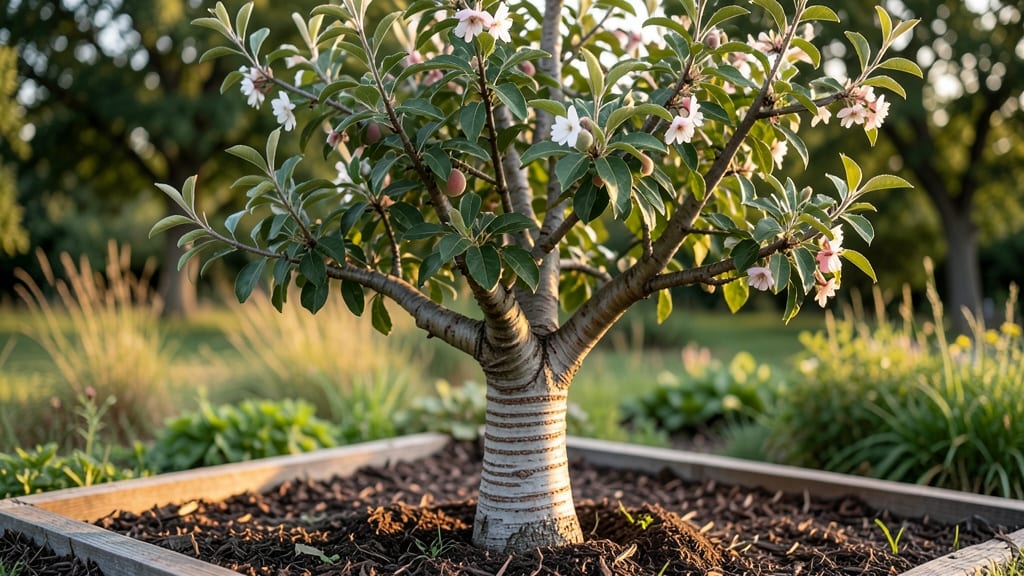
Donut peach trees grow best in USDA Hardiness Zones 5 through 9, where winter temperatures rarely drop below -20°F (-29°C) and summers offer consistent warmth for fruit development. Selecting cold-resistant varieties like 'Reliance' or 'Redhaven' maximizes your success in these zones.
Understanding your specific USDA zone is crucial because donut peach trees need a balance of cold dormancy and warm fruiting seasons. 🌳 For example, Zone 5 gardeners should prioritize varieties that tolerate brief cold snaps, while Zone 9 growers need heat-tolerant types that won't suffer from summer heat stress.
The right variety can mean the difference between a productive tree and one that struggles to bear fruit consistently.
Beyond just temperature, these trees also require 300-800 chilling hours below 45°F (7°C) during winter to properly set fruit buds. This is why Zone 4 might be too harsh for most donut peaches - the extreme cold can prevent adequate chilling hours.
Meanwhile, Zone 10's consistent warmth might lead to poor fruit development without proper seasonal variation.
💡 In This Article
- How USDA Zones Affect Donut Peach Tree Growth and Fruit Production
- Best Donut Peach Tree Varieties for Each USDA Zone
How USDA zones affect donut peach tree growth and fruit production
Donut peach trees are particularly sensitive to temperature extremes because their growth cycle depends on precise seasonal transitions. The USDA zones define these temperature ranges by averaging annual minimum winter temperatures, but what matters most for peaches is the balance between cold dormancy periods and warm fruiting seasons.
Trees in Zones 5-7 need 500-800 chilling hours below 45°F (7°C) to break winter dormancy and set fruit buds properly.
This chilling requirement explains why Zone 4 can be marginal - the extreme cold often exceeds safe limits, while Zone 8's moderate winters may provide insufficient chilling for some varieties. 🌡️
The science behind this involves a process called "endodormancy," where the tree's internal biological clock requires cold exposure to transition from winter survival mode to spring growth. Without adequate chilling, buds may fail to open properly, leading to poor fruit set or complete crop failure.
Summer heat tolerance is equally critical - peaches thrive when daytime temperatures reach 85-95°F (29-35°C), but prolonged exposure above 100°F (38°C) can cause blossom drop and reduce fruit quality. This is why Zone 9 gardeners must choose heat-tolerant varieties that can handle extended warm periods.
What most growers don't realize is how zone mismatches affect fruit quality beyond just survival. For example, a 'Redhaven' peach tree planted in Zone 6 might produce smaller, less flavorful fruit because the shorter growing season reduces the time available for proper sugar development.
The tree's metabolic processes are directly tied to temperature - cooler summers slow sugar accumulation, while inconsistent heat patterns can lead to uneven ripening. This explains why commercial orchards in optimal zones like 7-8 consistently produce sweeter, more uniform fruit. 🍑
Another critical factor is winter lows - donut peach trees can survive brief dips to -10°F (-23°C) when fully dormant, but prolonged exposure below -20°F (-29°C) risks bark damage and dieback. The tree's protective mechanisms include increased sugar production in leaves and bark during fall, which acts like antifreeze.
However, this natural protection has limits, which is why Zone 5 gardeners should plant trees against south-facing walls or use protective coverings during extreme cold snaps.
Zone-specific growing conditions also affect tree size and vigor. Trees in cooler zones (5-6) tend to grow more slowly but develop stronger structural roots to withstand winter stresses. In contrast, Zone 8-9 trees grow more aggressively but require more frequent pruning to manage their size and maintain fruit quality.
The difference in growth rates stems from photoperiod sensitivity - trees in southern zones experience longer daylight periods during critical growth stages, which affects hormone production and fruit development patterns. 🌿
For home gardeners, understanding these zone-specific behaviors means selecting varieties that match your local climate patterns. A tree that thrives in Zone 7 might struggle in Zone 6 if it requires more chilling hours than your region provides.
The key is matching the tree's genetic requirements with your actual climate data - not just the general zone designation. Many nurseries now provide microclimate-specific recommendations that go beyond basic zone numbers to account for these nuances.