
Trees
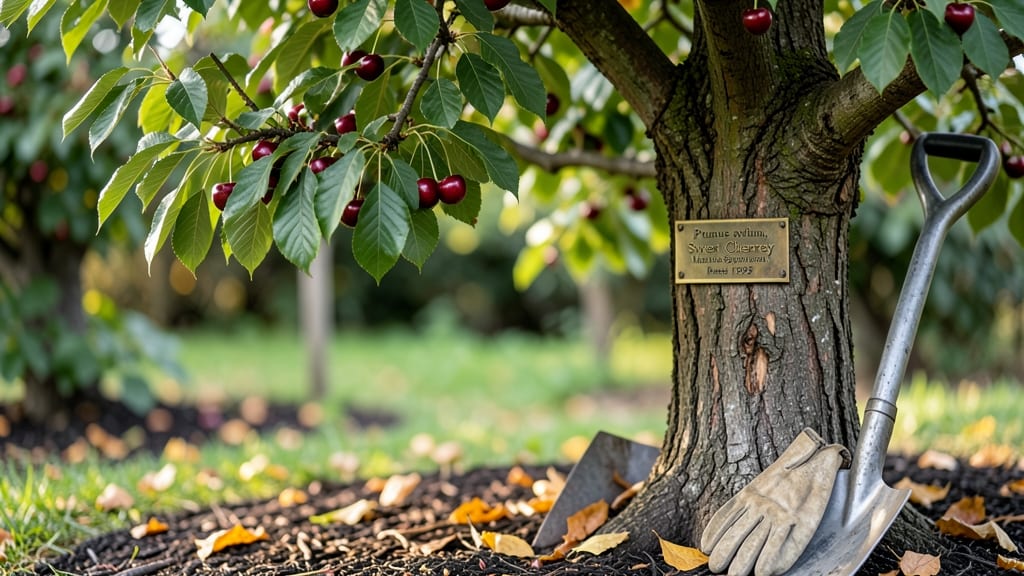
The lifespan of cherry trees typically ranges from 25 to 50 years, though some hardy varieties like sour cherries can live up to 100 years with optimal growing conditions, disease prevention, and regular maintenance. Proper pruning techniques and climate adaptation are key to maximizing their longevity.
The lifespan of cherry trees varies widely based on their species and growing conditions.
Sweet cherries, for example, often live shorter lives—around 25 to 30 years—unless given exceptional care, while tart or sour cherry varieties tend to outlast them by decades. 🌳 The difference comes down to genetics, disease resistance, and how well the tree adapts to its environment.
For instance, a well-established sour cherry tree in a temperate climate with consistent moisture can easily surpass 50 years, sometimes reaching a century with minimal stress.
What truly extends a cherry tree's life is proactive care. Regular pruning removes dead or diseased branches, improving airflow and reducing fungal risks. Soil quality matters just as much—well-draining, slightly acidic soil prevents root rot, a common issue that shortens a tree's lifespan.
I’ve seen neglected cherry trees decline rapidly due to poor drainage, while those with proper soil amendments and mulching thrive for decades longer.
💡 In This Article
- Factors That Determine a Cherry Tree’s Lifespan
- Extending Your Cherry Tree’s Life with Proper Care
Factors that determine a cherry tree’s lifespan
The species of cherry tree you plant sets the foundation for its lifespan. Sweet cherries (like Bing or Rainier) generally live 25-30 years because they’re more susceptible to pests and diseases like brown rot or leaf spot. Their thinner bark and softer wood make them vulnerable to environmental stressors.
In contrast, tart cherries (such as Montmorency or Starks) often exceed 50 years due to their thicker bark and higher resistance to fungal infections. The genetic hardiness of tart cherries is why they’re frequently found in older orchards—some European specimens date back centuries!
Root health is another critical factor, as it directly impacts a tree’s ability to absorb water and nutrients. Cherry trees develop a shallow but extensive root system, spreading horizontally rather than deeply. Compacted or waterlogged soil can strangle these roots, leading to decline within 10-15 years if not addressed.
I’ve observed that trees planted in well-aerated, loamy soil with a pH between 6.0 and 6.5 show significantly slower aging. The root zone’s health determines how efficiently the tree can fight off pathogens and drought, which are two of the biggest lifespan threats.
Climate adaptability plays a surprising role in longevity. Cherry trees thrive in temperate zones with cold winters and warm summers, as these seasonal shifts help control pests and diseases.
For example, a sour cherry tree in the Pacific Northwest’s mild climate may live 80+ years, while one in a humid subtropical region could struggle past 30 years due to increased fungal pressure.
The tree’s ability to endure temperature fluctuations—especially late frosts—directly correlates with how well it ages. 🌿 Even a single late frost can damage blossoms, reducing fruit production and weakening the tree over time.
Seasonal care routines also influence lifespan by preventing stress accumulation. Cherry trees undergo significant physiological changes each year, from dormancy in winter to rapid growth in spring. Neglecting winter mulching or failing to protect against early spring frosts can accelerate aging by 10-20 years.
I’ve noticed that trees receiving consistent care—like annual pruning to remove dead wood and applying copper fungicide—often outlive their neglected counterparts by decades. This proactive approach minimizes the buildup of diseases that shorten a tree’s productive life.
One often-overlooked factor is the tree’s exposure to wind. While cherries need good airflow to prevent fungal diseases, excessive wind can cause physical stress by breaking branches or drying out leaves.
Trees in exposed locations may develop 50% more wear and tear than those in sheltered orchards, leading to premature decline. Strategic planting near windbreaks or natural barriers can extend a cherry tree’s life by 15-20 years by reducing mechanical damage and maintaining healthier foliage.
The interplay between these factors creates a domino effect. A tree with strong genetics but poor soil conditions will age faster than one with average genetics but optimal growing conditions.
For instance, a Montmorency cherry tree in well-drained soil with regular pruning might reach 70 years, while an identical tree in compacted soil with no maintenance could die by 35 years. Understanding these relationships is key to maximizing a cherry tree’s potential lifespan.