
Trees
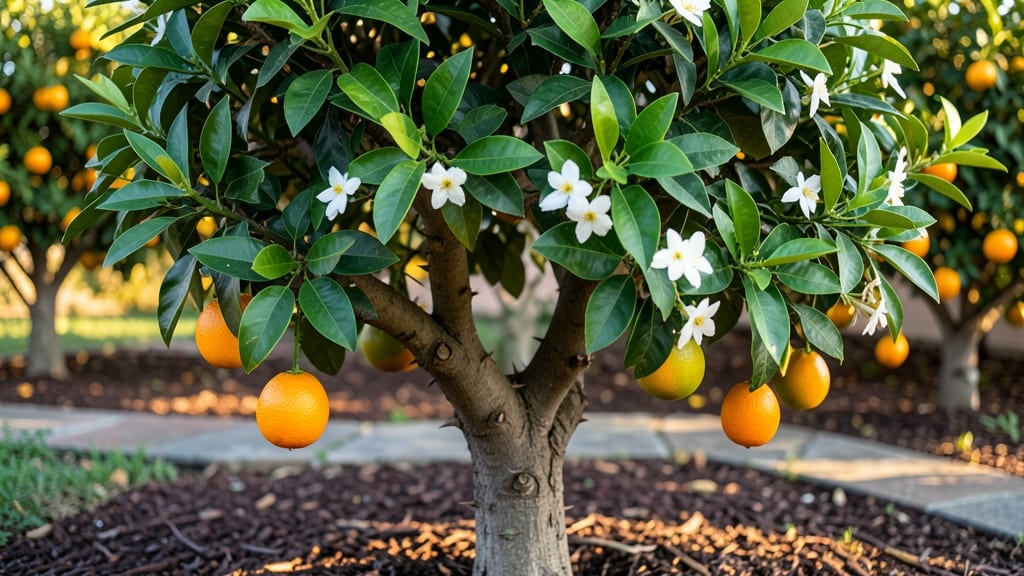
Those bright orange balls on your cedar trees aren’t ornaments—they’re cedar rust fungi, a common fungal disease that turns needles into unsightly galls. 🌿 I’ve dealt with this frustrating issue on my Eastern red cedars, and the key is acting fast to stop the spread before it weakens the tree or jumps to nearby junipers.
The problem starts when Gymnosporangium juniperi-virginianae spores infect cedar trees, creating those puffy orange growths that burst in spring, releasing spores that target junipers. Left untreated, your cedar’s growth slows, and the tree becomes a magnet for other fungal issues.
The good news? Organic options like neem oil or copper fungicide work well when applied at the right time.
You’ll see results within 2-3 weeks of treatment if you catch it early—fewer new galls forming, healthier green needles, and a tree that stops looking stressed. The best time to act is late fall or early spring, before the orange balls release their spores.
Prune infected branches 6 inches below the galls to prevent reinfection.
This issue doesn’t spread to most other plants, but junipers are at risk—so keep an eye on them too. With proper care, your cedar can bounce back strong, and those orange balls become a thing of the past. Let’s get your tree back to its best.
The Mystery Behind Orange Balls
If you’ve spotted those bright orange clusters dangling from your cedar trees—or even fallen to the ground—you might be wondering: Why are they there? These aren’t just random decorations; they’re nature’s way of ensuring the tree’s survival.
Let’s break down the science behind these curious orbs and why they appear when they do.
One of the most common culprits behind those orange balls is the cedar gall midge (Contarinia cedri). These tiny, non-stinging flies lay their eggs in the tender new growth of cedar trees (like Eastern red cedar or juniper).
When the larvae hatch, they trigger a chemical response in the tree, causing it to form a gall—a swollen, rounded growth that protects the developing larvae. Over time, these galls turn bright orange and eventually harden into woody balls.
- When it happens: Late spring to early summer, when new cedar growth is soft and vulnerable.
- Why it looks like that: The tree’s resin and cell division create a dense, orange-hued structure to shield the larvae.
- What to watch for: Clusters of ½- to 1-inch balls, often near branch tips or along stems.
💡 Pro Tip: These galls are harmless to the tree (though heavy infestations can weaken it) and won’t harm humans or pets. In fact, they’re a fascinating example of plant-animal symbiosis!
Not all orange balls are gall midge creations. If your cedar tree is near apple, crabapple, or hawthorn trees, you might be dealing with cedar-apple rust, a fungal disease caused by Gymnosporangium juniperi-virginianae. This fungus requires two hosts to complete its life cycle: cedar trees and apple-family plants.
- How it starts: In spring, the fungus infects apple trees, producing orange gelatinous spores on their leaves. These spores spread to cedar trees via wind or rain.
- The cedar’s reaction: On cedar trees, the fungus forms telial horns—orange, gelatinous, and spiky structures that release spores back into the environment the following year.
- Why it matters: While cedar trees rarely suffer severe damage, apple trees can develop leaf spots, defoliation, and weakened growth.
🌡️ Key Clue: Look for both orange gelatinous masses on apple leaves and cedar trees in the same area. These telial horns often appear in late summer or fall.
Not all orange balls are pests or diseases—some are simply cedar berries! While most cedars produce small, blue-gray berries, certain varieties (like the Eastern red cedar) develop orange-tinged or reddish berry clusters when ripe. These aren’t true fruits but rather seed cones that have softened and turned color.
- When to expect them: Late summer to fall, as the berries mature and dry.
- Why they’re orange: The berries contain a waxy coating and pigments that shift from green to orange-red as they ripen.
- Ecological role: Birds and small mammals love these berries, helping disperse cedar seeds far and wide.
✨ Fun Fact: These berries are edible (though not particularly tasty for humans) and were historically used by Indigenous peoples for food and medicine.
Sometimes, orange balls or unusual growths appear due to stress factors like drought, poor soil, or extreme weather. While these won’t always turn orange, they can mimic other issues:
- Drought stress: Causes stunted growth and abnormal swelling, which may darken or take on an orange hue in some cedar species.
- Nutrient deficiencies: Lack of nitrogen or phosphorus can lead to distorted growth, sometimes with a reddish or orange tint.
- Sun scorch: Intense heat can cause leaf or branch tips to dry out and turn orange-brown.
🔍 How to tell: Check for other signs of stress, like yellowing leaves, sparse foliage, or dead branches. If the "orange balls" are irregularly shaped or scattered, stress may be the culprit.
Quick Fixes for Cedar Tree Oddities
If your cedar tree is sprouting unexpected orange balls—or you’re just curious about keeping it healthy—here’s how to address common issues while preserving its natural charm. Whether it’s pest problems, fungal growth, or even overzealous fruit production, these solutions are practical and easy to implement.
If those orange balls are actually cedar apple rust galls (a fungal disease) or pest-related growths like cedar bark beetle damage, act fast.
🔥 Identify the Culprit First
- Cedar Apple Rust: Look for bright orange, jelly-like growths on branches.
- Bagworms or Sawfly Larvae: Check for webbing or chewed foliage near the "balls."
- Scale Insects: Sticky residue (honeydew) on branches is a red flag.
👨🍳 Treatments That Work
| Problem | Solution | Prevention Tip |
|---|---|---|
| Fungal Galls (Rust) | Prune infected branches 12 inches below the galls in late fall or winter. Burn or bag pruned material. | Plant resistant cedar varieties like Thuja occidentalis ‘Sunkist’. |
| Bagworms | Spray with neem oil or Bt (Bacillus thuringiensis) in early summer before larvae mature. | Install pheromone traps in spring. |
| Scale Insects | Wipe branches with soapy water (1 tsp mild soap per quart of water). Repeat weekly. | Encourage ladybugs with nearby milkweed. |
💡 Pro Tip: Always prune on a dry, sunny day to reduce fungal spread. Sterilize pruners with rubbing alcohol between cuts!
If those "orange balls" are actually cedar berries (like juniper berries) turning mushy or attracting critters:
🍳 Harvest or Remove Problem Fruit
- For Edible Berries (e.g., Juniper): Harvest when fully ripe (deep blue/purple) to prevent birds/squirrels from feasting.
- For Non-Edible "Balls": Collect and compost fallen galls to stop fungal spores from spreading.
🐿️ Deter Wildlife
- Spray branches with hot pepper wax (mix 1 tbsp cayenne + 1 cup wax) to repel animals.
- Hang reflective tape or old CDs near the tree to scare off birds.
🌡️ When to Act: Remove rotting fruit immediately—it’s a magnet for pests and disease.
If the orange balls are mold, mildew, or cankers, tackle them with targeted care.
🔪 Prune and Protect
- Cut out infected areas with sterilized shears, extending 6 inches into healthy wood.
- Apply copper fungicide (follow label instructions) to prevent spread.
- Seal cuts with pruning sealant to block entry points.
🎯 Long-Term Prevention
- Improve airflow by thinning dense branches.
- Water at the base (not overhead) to keep foliage dry.
- Avoid overhead irrigation during rainy seasons.
✨ Bonus: Mulch with cedar chips (not too close to the trunk) to naturally deter fungi.
Keep your cedar thriving with these low-effort habits:
- Water deeply 1–2 times per week (adjust for drought).
- Fertilize lightly in early spring with balanced 10-10-10 fertilizer.
- Avoid heavy pruning—cedars prefer a natural shape.
Remember: Most "orange ball" issues are manageable with early action. If problems persist, consult a local arborist for a tailored plan. Your cedar will thank you with lush, pest-free growth!
Frequently asked questions
Are those orange balls harmful to my cedar tree?
It depends! If they're cedar apple rust galls or gall midge larvae, they're not deadly but can weaken the tree over time. The real danger comes when spores spread to nearby apple or juniper trees. For cedar berries, they're harmless—just messy when they fall.
How do I tell if it's rust fungus or just berries?
Rust fungus creates gelatinous, spiky orange growths (telial horns) that ooze when wet, while berries are smaller, firmer, and turn deep blue/purple when ripe. Check for both on cedar and apple trees—rust needs both hosts to survive.
Can I use home remedies to remove these orange balls?
For fungal galls, prune infected branches 12 inches below the growth and sterilize tools with rubbing alcohol. For pests, spray with neem oil or soapy water. Avoid vinegar—it can burn cedar needles.
Will these orange balls spread to other plants?
Only if it's cedar-apple rust! The fungus cycles between cedar trees and apple, crabapple, or hawthorn trees. Remove infected cedar branches in late fall/winter to break the cycle. Other cedar issues (like berries or galls) won't spread.
Are these orange balls edible or safe for wildlife?
Only true cedar berries (from junipers) are edible (though bitter). The orange fungal galls or insect galls are inedible. Birds and squirrels may eat ripe berries, but compost fallen galls to prevent fungal spread.