
Pruning
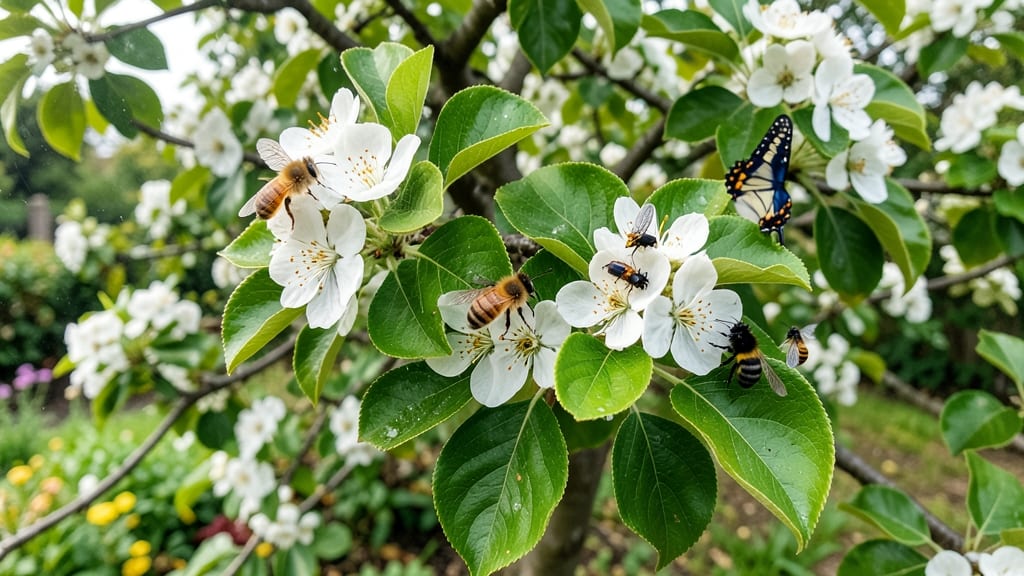
Bartlett pear trees need pollinators to produce their signature sweet, juicy fruit—without them, you’ll end up with sparse harvests no matter how well you care for the tree. 🐝 I learned this the hard way after years of planting single Bartletts and wondering why my neighbors always had bushels while mine struggled.
The secret isn’t just planting the right variety—it’s creating a pollinator-friendly environment that brings in the bees and butterflies your tree craves.
Most Bartletts are self-fertile but produce 50-70% more fruit when cross-pollinated with another pear variety like Anjou, Bosc, or Seckel. Planting a second tree within 50 feet doubles your chances of a heavy harvest.
Even better? Add pollinator magnets like lavender, coneflowers, or clover nearby—they’ll attract bees and butterflies that will happily hop from flower to blossom, boosting your tree’s fruit set.
You’ll know pollination is working when blossoms drop after a few weeks (a good sign!) and tiny pearlets appear. For extra insurance, gently shake branches during bloom to help wind carry pollen—or hand-pollinate on cloudy days when bees are less active.
With the right setup, your Bartlett could go from scraggly branches to bowing under fruit in just one season.
This works for backyard orchards, urban yards, or even container-grown pears—just scale the pollinator plants accordingly. The key is patience: it takes 2-3 years for a newly planted tree to mature enough for heavy fruiting, but with the right pollination partners, those years will pay off in golden, honey-sweet rewards.
📚 In This Guide
- What you need
- Instructions
- Tips and common mistakes
- Wrapping up and next steps
What you need
- ● Native flowering plants: 3–5 varieties (e.g., Ceanothus, Lavender, or Clovers) to provide nectar and pollen.
- ● Pollinator-friendly trees: 1–2 additional fruit trees (e.g., Asian pear or European plum) within 50–100 feet for cross-pollination.
- ● Water source: A shallow birdbath or small pond with rocks for safe landing.
- ● Organic mulch: 2–3 inches of wood chips or straw to retain moisture and reduce weeds.
- ● Pesticide-free environment: Avoid synthetic chemicals; opt for neem oil or insecticidal soap if needed.
- ● Garden tools: Pruners, trowel, and gloves for planting and maintenance.
- ● Soil test kit: To check pH (ideal: 6.0–7.0) and nutrient levels.
- ● Compost or fertilizer: Balanced 10-10-10 or organic options like worm castings.
- ● Pollinator habitat guides: Local extension service resources or apps (e.g., iNaturalist) to identify beneficial insects.
- ● Bee houses: For solitary bees (e.g., Mason bees) with bamboo tubes or wooden blocks.
- ● Drip irrigation: To keep plants hydrated without disrupting pollinators.
- ● Wildflower seeds: Fast-growing mixes like Cosmos or Sunflowers for quick pollinator attraction.
- ● Citizen science participation: Register your garden with programs like Bee City USA for tracking pollinator activity.
How to attract and support Bartlett pear tree pollinators
Here’s how to create an inviting environment for the bees and insects that make Bartlett pears thrive.
🐝 Step 1: Plant Companion Flowers Nearby
Bartlett pear trees rely on bees, butterflies, and other pollinators, so planting early-blooming flowers within 50 feet of your tree ensures they have a steady food source. Choose native species like apple blossoms, blackberry flowers, or clover—these bloom when pears are in peak pollination season. I always add dill, fennel, or lavender to my garden borders, as their flat flower clusters attract bees effortlessly.
Space these plants 12-18 inches apart in well-draining soil, and water them deeply after planting. Pollinators will visit these flowers first, then move to your pear tree once it blooms. Avoid pesticides entirely during bloom season—even "organic" sprays can harm beneficial insects.
☀️ Step 2: Provide Shelter and Water Sources
Bees and beneficial insects need shade and water to thrive. Place a small birdbath or shallow dish filled with clean water near the tree, adding pebbles to create landing spots. I’ve seen bees drown in deep water, so keep it shallow—less than 1 inch deep. Position it in partial shade to prevent evaporation.
Leave some bare soil or mulch patches around the base of the tree—ground-nesting bees like mason bees (excellent pear pollinators) will nest here. Avoid tilling or covering these areas completely. A small log pile or undisturbed grass clump also provides shelter for overwintering pollinators.
🌿 Step 3: Avoid Pesticides and Encourage Diversity
Chemical pesticides—even those labeled "bee-friendly"—can linger on foliage and harm pollinators. Instead, I rely on neem oil sprays (applied only at night) or horticultural soap for pest control. If you must treat for pests, do so after the pear tree has finished blooming to protect pollinators.
Plant a diverse mix of flowering plants with varying bloom times—this ensures pollinators have food from early spring through late summer. For example, crabapple trees bloom before pears, while sunflowers provide late-season nectar. The more variety, the more consistent your pollination will be.
⏰ Step 4: Time Interventions for Peak Bloom
Bartlett pear trees bloom in early to mid-spring, typically when daytime temperatures reach 60-70°F. If your area has late frosts, consider planting a second variety (like Moonglow or Seckel) to extend the bloom window. Cross-pollination between different pear varieties increases fruit set dramatically.
If you notice few bees visiting, try hand-pollinating on calm, dry days. Use a soft paintbrush to transfer pollen from one flower to another. Do this in the morning when flowers are fully open and bees are most active. This method works best for small orchards or single trees with poor pollinator traffic.
Tips & tricks for supporting Bartlett pear pollinators
Creating an ecosystem that thrives with pollinators isn't just about planting flowers—it's about intentional design that works with nature's rhythms.
Pollinator-Friendly Plant Selection: In Step 1, when choosing companion flowers, prioritize plants with flat or clustered blooms like lavender or dill—they're bee magnets. I've noticed that native wildflowers (like milkweed or goldenrod) attract more diverse pollinator species than ornamental varieties. For maximum impact, create a 3-foot-wide border around your tree with these species, ensuring continuous bloom from early spring through summer.
Water Source Safety: The shallow water requirement in Step 2 is critical—bees can't swim! I recommend using a terracotta saucer or shallow birdbath with pebbles placed on the ground rather than elevated dishes. Position it near—but not directly under—the tree canopy to protect from heavy rain while keeping it accessible. Add a few small stones or twigs to create natural landing platforms for insects.
Pesticide-Free Zone Timing: Step 3 emphasizes avoiding pesticides during bloom, but I've learned that even organic fertilizers can harm pollinators if overused. Apply any soil amendments 6-8 weeks before planting flowers to allow them to break down. For existing trees, switch to compost tea or worm castings during bloom season—they nourish soil without harming beneficial insects.
Hand-Pollination Technique: When implementing Step 4's hand-pollination method, use a soft makeup brush rather than a paintbrush—it's gentler on delicate flower petals. Work on calm mornings when dew has evaporated but temperatures haven't exceeded 75°F. Focus on open flowers with visible stamens, gently brushing from the center outward to release pollen onto neighboring flowers.
Pro Tips for Bartlett Pear Tree Pollinators
- Creating an ecosystem that thrives with pollinators isn't just about planting flowers—it's about intentional design t...
- Pollinator-Friendly Plant Selection: In Step 1, when choosing companion flowers, prioritize plants with flat or clust...
- Water Source Safety: The shallow water requirement in Step 2 is critical—bees can't swim! I recommend using a terraco...
Frequently asked questions
Got questions about Bartlett pear tree pollinators? You’re not alone!
Cross-pollination can feel tricky, but these answers will help you grow the juiciest pears possible.
Do Bartlett pear trees need a pollinator, or can they self-pollinate?
While Bartlett pears can self-pollinate to some degree, they produce far more fruit (and sweeter, larger pears!) with a pollinator. Planting a second Bartlett tree or a compatible variety like Seckel or Moonglow within 50–100 feet boosts yields dramatically.
When is the best time to attract pollinators to my Bartlett tree?
Pollinators like bees and butterflies are most active during early spring blooms (March–April in most regions). To maximize their visit, plant native flowers (like lavender or clover) nearby, avoid pesticides, and ensure your tree has plenty of open blossoms—thin excess fruit later to avoid overburdening branches.
What if I don’t have space for a second tree? Are there alternatives?
No garden? No problem! Hand-pollinate with a soft paintbrush to transfer pollen between blossoms on the same tree. For larger orchards, consider renting bee hives temporarily during bloom season. Just avoid windy days—pollen needs calm conditions to stick!
My Bartlett tree has flowers but no fruit. What’s going wrong?
Check these common culprits:
- Lack of pollinators: Add flowering plants or a second tree.
- Late frost: Damaged blossoms won’t set fruit—cover trees if frost is forecasted.
- Poor timing: Pears need 600+ chill hours—verify your climate zone.
- Over-thinning: Leave 1 fruit per cluster to encourage more blooms next year.
Can I use the same pollinator for other fruit trees?
Many pollinators (like honeybees or bumblebees) cross-pollinate apples, cherries, and plums too. Plant a pollinator-friendly hedge (e.g., lilacs or crabapples) to create a fruit-tree paradise for all your crops. Just stagger bloom times to keep them busy year-round!
Wrapping up and next steps
Understanding the role of pollinators like bees, flies, and butterflies is key to ensuring your Bartlett pear tree thrives and produces a bountiful harvest. 🐝 By planting companion trees, avoiding pesticides, and creating a pollinator-friendly environment, you’re setting your orchard up for success.
Now that you’re armed with the knowledge, it’s time to take action—start small, observe your tree’s progress, and enjoy the sweet rewards of your efforts!
🌱 Next Steps:
- Monitor your tree for signs of pollination success (e.g., blossoms turning into fruit).
- Expand your garden with more pollinator-friendly plants to boost local ecosystems.
- Share your journey—tag us in your pear harvest pics! 📸