
Pruning
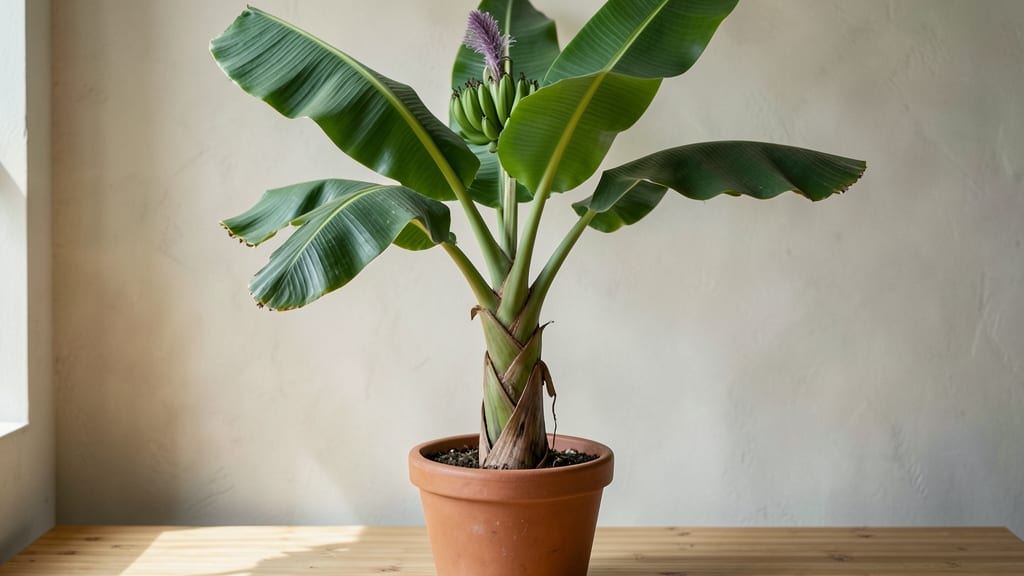
Growing a banana tree inside lets you enjoy tropical vibes and even fruit without leaving your home. 🌿 I’ve nurtured mine through three winters now, and the secret is choosing the right variety—Dwarf Cavendish is my go-to because it stays compact (under 6 feet) and adapts well to indoor life.
The key is mimicking its natural habitat: bright, indirect light, warm temps, and high humidity. You’ll need a 15-20 gallon container with drainage holes, a well-draining potting mix (cactus/succulent mix works), and a spot near a south-facing window or under grow lights for 12+ hours daily.
Water when the top 2 inches of soil dry out—overwatering is the #1 killer of indoor banana trees. A pebble tray with water or a humidifier keeps those broad leaves happy and prevents crispy edges. By summer, you might spot tiny banana blossoms—a thrilling sight!—but fruiting takes patience.
Prune leggy stems to encourage bushier growth, and fertilize lightly every 2-3 months with a balanced fertilizer. Yellow leaves? Usually a sign of overwatering or low light. Slow growth? Boost the light or check root health. This isn’t just a houseplant—it’s a living centerpiece that thrives year-round.
With the right care, your indoor banana tree will reward you with lush foliage, occasional blooms, and maybe even a handful of edible bananas. Let’s get yours growing!
📚 In This Guide
- What you need
- Instructions
- Tips and common mistakes
- Wrapping up and next steps
What you need
- ● Banana plant: A dwarf variety like Musa acuminata ‘Dwarf Cavendish’ or Musa velutina (hardy to USDA Zones 9-11; indoors, year-round). Pro tip: 💡 Buy a 1-2 gallon potted plant from a nursery (avoid bare-root stock).
- ● Container: Minimum size: 15-20 gallons (24"+ diameter) with drainage holes.
- ● Material: Heavy ceramic, fiberglass, or plastic (avoid metal—it conducts temperature extremes).
- ○ Optional upgrade: Self-watering pot with a reservoir (🌡️ reduces overwatering risks).
- ● Potting mix: 60% well-draining soil (e.g., cactus/succulent mix) + 40% organic matter (peat moss, coconut coir, or compost). ✨ Pro tip: Add 10-20% perlite or pumice to improve aeration.
- ● Pruning tools: Bypass pruners (sharp, clean—sterilize with rubbing alcohol).
- ● Hand saw (for thicker stems, if needed).
- ● Support system: Bamboo stakes or trellis (3-4 ft tall, ½" diameter).
- ● Soft plant ties (jute or Velcro straps—avoid wire!).
- ● Fertilizer: Balanced 10-10-10 or 20-20-20 (diluted to half-strength) or organic options like fish emulsion. 🎯 Pro tip: Use a slow-release granular fertilizer for steady growth.
- ● Miscellaneous: Grow lights (LED, full-spectrum, 12-14 hrs/day) or a south-facing window (bright, indirect light).
- ● Humidity tray or pebble tray (for 50-70% humidity—critical for indoor banana trees!).
- ● Spray bottle (for misting leaves).
- ● Space: A sunny corner (6+ ft ceiling height if growing tall).
- ● Temperature: Keep between 65-85°F (avoid drafts or cold windows).
- ● Patience: Banana trees grow slowly indoors—expect 1-2 ft/year.
Step-by-step instructions for growing a banana tree indoors
Here's how to create your own lush, miniature tropical plant that thrives year-round.
🪴 Step 1: Choose the Right Container and Soil Mix
Start with a 5-gallon container at minimum—banana trees need room to grow. I like to use a fabric grow bag for the first year because it prevents root rot while allowing roots to breathe. If using a plastic or ceramic pot, make sure it has multiple drainage holes—banana trees hate soggy feet.
Fill the container with a light, airy potting mix designed for tropical plants. I blend 60% peat moss or coconut coir, 20% perlite, and 20% compost to create a mix that drains well but retains enough moisture. Avoid garden soil—it compacts and suffocates roots. Moisten the mix before planting to help the roots settle in without shock.
🌱 Step 2: Plant Your Banana Tree Properly
Remove the banana plant from its nursery pot and gently loosen the roots if they're circling. Place it in the center of your container and backfill with the prepared soil mix, pressing lightly to eliminate air pockets. The crown (where the stem meets the roots) should sit just above the soil line—burying it too deep invites rot.
Water thoroughly until water runs freely from the drainage holes. This ensures the soil settles around the roots and removes any air gaps. After watering, let the plant drain completely—banana trees need moisture but won't tolerate sitting in water. Place the potted plant in a bright, indirect light spot for the first few days to help it adjust.
☀️ Step 3: Provide the Right Light and Temperature
Banana trees crave bright, indirect light—think of a spot near an east-facing window or under a grow light if natural light is limited. You'll know it's getting enough light when the leaves stay deep green and the plant grows steadily. If leaves turn yellow or brown, it's either too much direct sun or not enough light.
Keep your banana tree in a warm environment—ideal temperatures range between 65-85°F. Avoid cold drafts, like near windows in winter, which can shock the plant. If you notice leaves drooping or turning black, move it away from cold spots immediately. A humidifier or pebble tray with water nearby helps maintain the tropical humidity these plants love.
💧 Step 4: Water and Fertilize for Healthy Growth
Water your banana tree when the top 2-3 inches of soil feel dry to the touch. Stick your finger in the soil—if it's dry at that depth, it's time to water. Water deeply until it drains from the bottom, then empty the saucer to prevent root rot. Overwatering is the #1 killer of indoor banana trees, so it's better to underwater slightly than drown the roots.
Feed your plant every 4-6 weeks during the growing season (spring and summer) with a balanced, water-soluble fertilizer diluted to half strength. I use a 20-20-20 formula but switch to a high-potassium fertilizer in late summer to encourage flowering. Stop fertilizing in fall and winter when growth slows. You'll see new leaves emerging within a few weeks of consistent feeding—that's your sign it's thriving!
✂️ Step 4: Prune and Maintain for Long-Term Health
Prune your banana tree to encourage bushier growth and remove any yellow, damaged, or dead leaves. Use clean, sharp pruners to cut just above a leaf node or bud. If the plant grows too tall for its space, you can trim the top 1-2 inches to promote branching. Just be cautious—banana trees grow from the top, so heavy pruning can stunt growth.
Rotate the pot a quarter turn weekly so the plant grows evenly toward the light. Dust the leaves occasionally with a damp cloth to help them absorb more light. If you notice pests like spider mites or mealybugs, treat them immediately with neem oil or insecticidal soap. A healthy banana tree should reward you with new fronds every few weeks and eventually—with patience—those iconic banana flowers!
Tips & tricks for perfect indoor banana tree growth
Here's what nobody tells you about keeping your tropical friend happy indoors.
Container Selection: If you're using a fabric grow bag, consider adding a plastic liner inside for the first few months to help retain moisture while the roots establish. For plastic or ceramic pots, make sure the drainage holes are large enough—banana roots need room to breathe. I've seen many beginners use pots with tiny holes that cause root rot within weeks.
Soil Mix Upgrade: The 60-20-20 mix is fantastic, but for extra drainage, I like to add a handful of orchid bark to the mix. This creates air pockets that prevent compaction, which is crucial since banana trees hate soggy soil. If you're worried about the mix drying out too fast, add a bit more coconut coir than peat moss—it holds moisture better.
Light Positioning: That bright, indirect light spot is critical—especially if you're using a grow light. Place your grow light 12-18 inches above the plant and keep it on for 12-14 hours daily. Too close and you'll scorch the leaves; too far and the plant will stretch toward the light (a condition called etiolation). Rotate the plant weekly to ensure even growth toward all light sources.
Temperature Troubleshooting: While the ideal range is 65-85°F, most homes struggle to maintain consistent warmth, especially near drafty windows. If your plant is in a cooler room (below 65°F), consider moving it to a warmer spot or using a small space heater with a thermostat near the plant. Just keep it away from direct heat sources—banana trees prefer stable warmth over sudden temperature swings.
Pro Tips for Banana Tree Inside
- Here's what nobody tells you about keeping your tropical friend happy indoors.
- Container Selection: If you're using a fabric grow bag, consider adding a plastic liner inside for the first few months to help retain moisture while the roots establish.
- Soil Mix Upgrade: The 60-20-20 mix is fantastic, but for extra drainage, I like to add a handful of orchid bark to the mix.
Frequently asked questions
Got questions about growing a banana tree indoors? You’re not alone! Here are answers to the most common concerns—from space-saving hacks to troubleshooting tricks.
Can a banana tree really thrive indoors?
A dwarf variety like Musa acuminata ‘Dwarf Cavendish’ can thrive indoors with the right care—bright, indirect light, high humidity, and a spacious container. Expect slower growth than outdoors, but with proper conditions, it can live for years and even produce small fruit!
What’s the best container size for an indoor banana tree?
Start with a 5-gallon pot (16–18 inches deep) for young plants, then upgrade to 10+ gallons as it matures. Ensure it has drainage holes—banana trees hate soggy roots! A fabric grow bag can also work well for airflow. Pro tip: Use a pot 2–3 inches wider than the root ball to avoid overcrowding.
How long does it take for an indoor banana tree to bear fruit?
Indoor banana trees are unlikely to fruit unless they’re mature (3+ years old) and receive 12+ hours of sunlight daily (supplement with grow lights). Even then, fruit may be small or sterile. Focus on keeping the plant healthy first—rewards (like leaves!) come with patience.
Why are my banana tree’s leaves turning yellow or brown?
Yellowing leaves often signal overwatering or poor drainage, while brown tips usually mean low humidity or fluoride sensitivity (tap water issue). Try these fixes:
- Let the top 2–3 inches of soil dry between waterings.
- Mist leaves daily or use a pebble tray with water.
- Switch to rainwater or filtered water if using tap.
What are the best alternatives if I don’t have space for a banana tree?
If a banana tree feels too demanding, try these low-maintenance tropical indoor plants:
- Bird of Paradise (Strelitzia nicolai) – Dwarf varieties fit small spaces.
- Palm Trees (e.g., Parlor Palm) – Thrives in low light.
- Monstera Deliciosa – Fast-growing and forgiving.
- Calathea – Stunning foliage with minimal care.
Wrapping up and next steps
Growing a banana tree inside is a rewarding journey that brings a taste of the tropics into your home—even in limited space! With the right container, proper pruning, and a little care, you can enjoy lush foliage, edible fruit, and a stunning indoor canopy year-round. 🌿✨
Ready to take the next step? Start by observing your plant’s growth and adjusting pruning techniques as needed. Share your progress with fellow plant lovers, or explore other container-friendly tropical varieties to expand your indoor jungle. Happy growing—your mini paradise awaits! 🌱💚