
Diseases
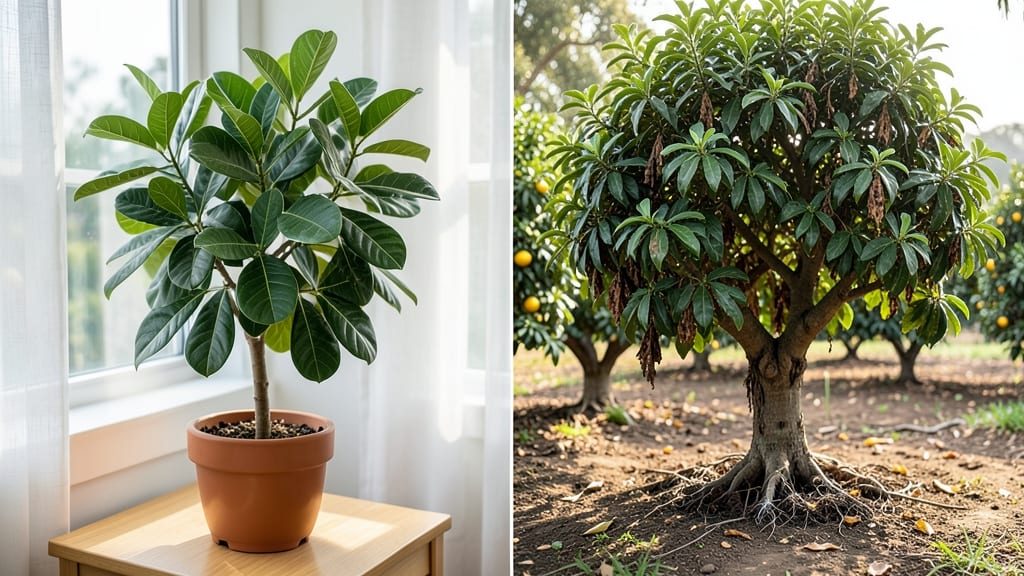
Spotting avocado tree diseases pictures early saves your harvest—and your tree. 🌿 I’ve seen healthy trees turn into sad, yellowing shadows overnight, but knowing these 12 common fungal and bacterial threats lets you act fast.
Some show up as dark spots on leaves, others as oozing sores or wilted branches, and each needs a different fix. The worst part? Many diseases start small, hiding in soil or on tools until they explode.
That’s why I check my trees every week during rainy seasons—catches like root rot or anthracnose spread like wildfire when ignored. You’ll learn to tell the difference between harmless stains and true threats, so you can treat them before they take hold.
By the end, you’ll recognize the exact signs of each disease and know whether to prune, spray, or just wait it out. My trees stay strong because I act at the first weird spot—no more guessing games. The key is catching problems before they become permanent damage.
This guide covers everything from soil-borne issues to airborne fungi, with clear descriptions of what to look for. Let’s get your avocado tree back to thriving in no time.
Root Causes Of Avocado Tree Ailments
Avocado trees, with their lush green foliage and prized fruit, are surprisingly vulnerable to a range of diseases—many of which stem from specific environmental, biological, or cultural triggers. Understanding why these issues arise is the first step in prevention and treatment.
Below, we break down the most common culprits behind avocado tree diseases, from fungal infections to bacterial attacks, and explain the science behind their spread.
Avocado trees thrive in warm, humid climates, but when conditions veer too far from ideal, their defenses weaken. Here’s how environmental factors create disease opportunities:
- Excess Moisture & Poor Drainage Avocados dislike soggy roots. Overwatering or heavy clay soil traps moisture, creating the perfect breeding ground for Phytophthora (a water-mold pathogen) and root rot. Why it happens: Anaerobic (low-oxygen) soil conditions stress roots, making them susceptible to fungal invasion. Actionable fix: Amend soil with compost or sand to improve drainage and avoid waterlogging.
- Extreme Temperature Swings Sudden cold snaps or heatwaves shock the tree, weakening its immune response. Why it happens: Cold stress disrupts cell membranes, while heat stress denatures proteins, leaving the tree vulnerable to secondary infections like Colletotrichum (anthracnose). Actionable fix: Mulch heavily in winter and provide shade cloth during heatwaves to stabilize temperatures.
- High Humidity Without Airflow Stagnant, humid air (80%+ humidity) encourages fungal spores to germinate. Why it happens: Fungi like Cercospora (leaf spot) thrive in these conditions because spores can’t dry out. Actionable fix: Prune for better airflow and avoid overhead irrigation.
Diseases don’t just appear—they need a way in. Avocado trees are attacked through specific entry points, often exploited by gardeners’ own habits.
- Wounds From Pruning or Injury Why it happens: Open wounds provide direct access for bacteria (e.g., Xanthomonas campestris, causing bacterial canker) and fungi. Pruning tools can also spread pathogens between trees. Actionable fix: Sterilize tools with 70% alcohol, prune during dry weather, and seal wounds with pruning sealant.
- Contaminated Tools or Soil Why it happens: Fungal spores (like Fusarium) linger on tools, mulch, or even bird droppings, hitchhiking onto healthy trees. Actionable fix: Solarize soil (cover with clear plastic for 4–6 weeks) to kill pathogens and rotate planting locations.
- Weakened Trees From Nutrient Deficiencies Why it happens: Lack of nitrogen, potassium, or zinc weakens the tree’s cell walls, making it easier for pathogens to penetrate. Actionable fix: Conduct a soil test and amend with balanced fertilizer (e.g., 6-6-6 NPK ratio).
Some diseases don’t act alone—they’re aided by pests that create conditions for infection or directly transmit pathogens.
- Sap-Sucking Insects (Scale, Mealybugs, Aphids) Why it happens: These insects inject toxins and create honeydew, a sugary residue that fosters sooty mold (Capnodium) and attracts fungal spores. Actionable fix: Use horticultural oil or neem oil to smother pests and wipe off honeydew with a damp cloth.
- Root-Knot Nematodes Why it happens: These microscopic worms burrow into roots, creating entry points for Phytophthora and weakening the tree’s water uptake. Actionable fix: Plant nematode-resistant varieties (e.g., ‘Hass’) and apply beneficial nematodes (Steinernema) to combat them.
Even the best-intentioned gardener can unintentionally create disease hotspots. Here’s how:
- Overcrowding Trees Why it happens: Poor airflow from dense planting traps moisture and spores, accelerating fungal spread (e.g., Botryosphaeria, causing dieback). Actionable fix: Space trees 15–20 feet apart and prune to open the canopy.
- Ignoring Leaf Wetness Why it happens: Leaves that stay wet for >12 hours (from rain or sprinklers) trigger fungal germination. Actionable fix: Water at the base, not overhead, and choose disease-resistant varieties like ‘Fuerte’ or ‘Lamb Hass’.
- Using Infected Propagation Material Why it happens: Grafts or cuttings from diseased trees carry latent pathogens like Verticillium wilt into new plantings. Actionable fix: Source certified disease-free nursery stock and test soil before planting.
💡 Pro Tip: Keep a disease diary! Note when symptoms appear, recent weather changes, and care routines. Patterns will reveal which environmental or cultural factors are most problematic for your avocado tree.
Quick Fixes for Avocado Tree Ailments
Avocado trees are resilient, but when diseases strike, swift action can save your harvest—and your tree. Below are practical, step-by-step solutions tailored to the most common fungal and bacterial threats, along with prevention tips to keep your tree thriving.
Think of this as your emergency repair manual for avocado tree health!
Fungal infections thrive in damp conditions, so speed and sanitation are key.
🔥 Root Rot (Phytophthora) – Save the Roots Fix:
- 🚰 Drain the soil immediately – If the ground is soggy, improve drainage by:
- Adding coarse sand or perlite to heavy clay soil.
- Raising the tree’s base with a mound of gravel or compost (create a "hill" around the trunk).
- ✂️ Prune infected roots – Use sterilized pruners to trim blackened, mushy roots.
Dip cuts in copper fungicide (like Copper Sulfate). - 💧 Adjust watering – Water deeply but infrequently (1–2 times per week).
Avoid overhead sprinkling. - 🌱 Repot or relocate – If root rot is severe, transplant to well-draining soil in a larger pot or a new spot in the garden.
💡 Prevention:
- 🌡️ Monitor soil moisture – Stick your finger in the soil; if the top 2 inches are dry, it’s time to water.
- 🌧️ Install a French drain – If your yard floods, create a gravel trench with a perforated pipe to divert water away.
- 🍄 Use resistant rootstock – If replanting, choose Mexican or West Indian rootstock (more drought-tolerant).
🍳 Anthracnose & Fruit Rot – Fungicide & Hygiene
Fix:
- 🧼 Spray with copper-based fungicide – Apply copper hydroxide or oxychloride (e.g., Bonide Copper Fungicide) every 7–10 days during wet seasons.
- 🧹 Remove infected fruit & leaves – Bag and dispose of (don’t compost!) rotting fruit to prevent spores from spreading.
- 🌿 Thin the canopy – Improve airflow by pruning dense branches (aim for 6–8 feet apart between limbs).
- 🌧️ Water at the base – Avoid wetting leaves; use drip irrigation instead of sprinklers.
💡 Prevention:
- 🍎 Space trees properly – Plant avocados 20+ feet apart to reduce humidity in the canopy.
- 🌿 Mulch correctly – Use wood chips (not fresh mulch) and keep them 2–3 inches away from the trunk.
- 🌡️ Harvest promptly – Pick fruit as soon as it’s ripe to avoid overripe rot.
Bacteria spread via wounds and tools—sterilization is non-negotiable.
👨🍳 Bacterial Canker – Prune & Seal
Fix: - ✂️ Cut out infected branches – Use sterilized pruners (soak in 10% bleach solution between cuts).
Remove 6 inches below the canker. - 🔥 Burn or bag infected wood – Do not compost—this prevents reinfection. - 🧴 Seal wounds with pruning sealant – Apply copper-based sealant (like Tanglefoot Tree Wound Pruning Seal). - 💧 Reduce overhead watering – Water at the base only to keep leaves dry.
💡 Prevention:
- 🧼 Sterilize tools after every cut – Wipe pruners with rubbing alcohol or bleach.
- 🌿 Avoid wounding the tree – Don’t use weed whackers near the trunk.
- 🌡️ Plant in full sun – Bacterial canker thrives in shady, humid conditions.
🥘 Phytophthora Cinnamomi (Dieback) – Rescue the Tree
Fix:
- 🚨 Act fast – If the tree is wilting or oozing brown sap, it’s critical:
- 💧 Stop watering immediately – Let the soil dry out completely.
- 🌱 Apply phosphite fungicide – Use Phostrol or Aliette (follow label rates) every 4–6 weeks.
- 🌿 Remove infected mulch – Replace with gravel or sand to improve drainage.
- 🌱 Consider grafting – If the trunk is infected, graft a new top onto a healthy rootstock.
💡 Prevention:
- 🌧️ Avoid compacted soil – Test soil drainage with a permeability test (dig a hole, fill with water—if it drains in <1 hour, it’s okay).
- 🍄 Use raised beds – Elevate the tree in containers or mounds if your soil is clay-heavy.
- 🌿 Rotate crops – Don’t plant avocados in the same spot if the previous tree died from this disease.
Even with treatments, prevention is the best cure. Here’s how to bulletproof your tree:
| Problem | Solution | Prevention Tip |
|---|---|---|
| Poor air circulation | Prune to open the canopy | Space trees 20+ feet apart |
| Overwatering | Water deeply, 2–3x per week | Use a moisture meter |
| Nutrient deficiency | Fertilize with citrus-specific feed (e.g., Espoma Citrus-Tone) | Test soil annually for pH (ideal: 6.0–7.0) |
| Pests (weevils, mites) | Spray neem oil or insecticidal soap | Inspect leaves weekly for early signs |
🎯 Pro Tip: Keep a disease log—note when symptoms appear, treatments used, and weather conditions. This helps you spot patterns and adjust care next season!
By following these targeted fixes, you’ll give your avocado tree the best shot at recovery. Early action is everything—don’t wait until the damage spreads! 🚀
Frequently asked questions about avocado tree diseases
How do I tell if my avocado tree has root rot just by looking at the leaves?
Root rot often shows up as yellowing leaves that start at the bottom of the tree and spread upward, paired with wilted or drooping foliage—even when the soil is wet. Check the trunk too: if it feels soft or oozes dark sap, it’s a clear sign of Phytophthora infection. The key difference from drought stress is that root rot leaves leaves permanently wilted, while thirsty trees perk up after watering.
Can I use regular household vinegar as a fungicide for my avocado tree?
No, never use undiluted vinegar—it’s too harsh and will burn your tree’s leaves. However, a 1:1 vinegar-water solution (5% acetic acid) can help control fungal spores on tools or containers when used as a soak for 10 minutes. For actual treatment, stick to copper-based fungicides or neem oil, which are safer for plant tissues and effective against common avocado diseases like anthracnose.
Why do some avocado tree diseases only appear during rainy seasons?
Most fungal diseases (like leaf spot or fruit rot) thrive in high humidity and wet leaves—perfect conditions during rainy seasons. The excess moisture creates ideal breeding grounds for spores, while poor airflow in dense canopies traps them against the plant. Bacterial diseases also spread faster when wounds stay damp. That’s why pruning for airflow and watering at the base (not overhead) becomes critical during these periods.
What’s the fastest way to identify bacterial canker without lab tests?
Look for sunken, oozing cankers on branches or trunk that ooze yellow or brown bacterial fluid when cut open. The edges of these wounds often have cracked or dead bark, and infected branches may wither suddenly. Unlike fungal spots, bacterial cankers don’t have fuzzy growth—they’re usually smooth and weepy. Sterilize your tools immediately if you suspect this, as it spreads through cuts.
Can I save an avocado tree if half its trunk is already dead from disease?
It depends on the disease! For fungal infections, you might still save it by grafting healthy scions onto the remaining live roots. For bacterial canker or advanced Phytophthora, the damage is often irreversible—you’d need to remove the tree to prevent spread. Test a small branch first: if new growth appears after treatment, there’s hope. Otherwise, consider replanting in a disease-free location with improved drainage.