
Pruning
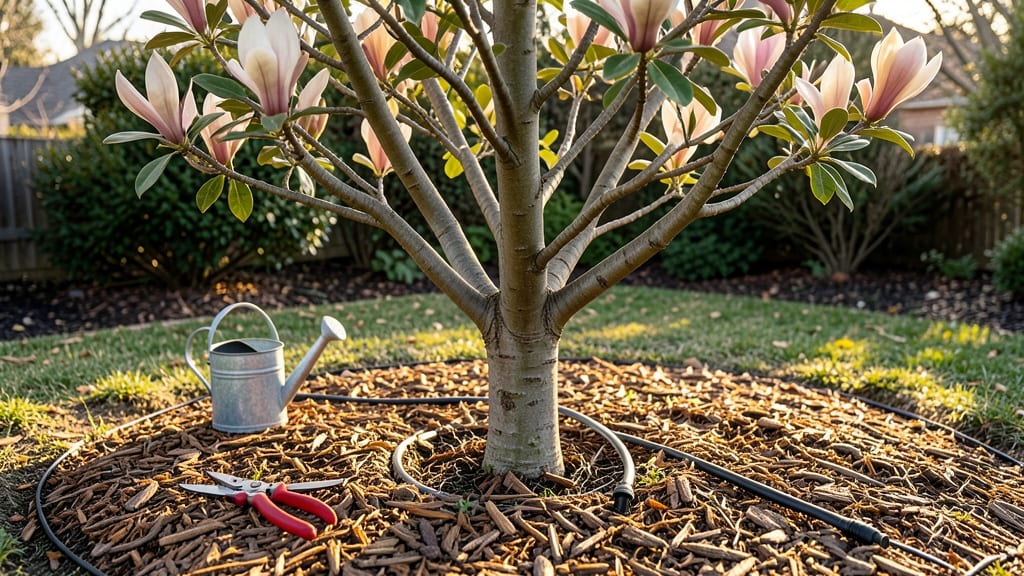
Caring for an Ann Magnolia tree means unlocking those spectacular spring blooms year after year. 🌸 I’ve learned that the secret to a healthy, vibrant magnolia isn’t just about planting it right—it’s about understanding its unique growth patterns and giving it the right attention at the right time.
These trees reward patience with glossy leaves and fragrant flowers, but they need a little guidance to thrive.
The key starts with well-draining soil and a spot with morning sun and afternoon shade—too much direct sun can scorch those delicate blooms. Watering deeply once a week (more in extreme heat) keeps roots happy without drowning them.
But here’s the thing: pruning isn’t just about shaping the tree—it’s about encouraging strong growth and better flowering. I’ll show you exactly when and how to prune for the most stunning results.
By following these steps, your Ann Magnolia will grow stronger, fuller, and more productive with each passing season. You’ll see fewer bare branches, more vibrant foliage, and an explosion of blooms that make your garden the envy of the neighborhood.
The best part? These techniques work whether you’re a seasoned gardener or just starting out.
We’ll cover everything from seasonal adjustments to avoiding common mistakes that can stunt growth. With the right care, your magnolia will become the centerpiece of your landscape for decades. Let’s get started on keeping it healthy and thriving!
📚 In This Guide
- What you need
- Instructions
- Tips and common mistakes
- Wrapping up and next steps
What you need
- ● Pruning shears: Bypass pruners (for cuts up to ½ inch thick). Recommended: Felco F-2 or Corona Classic.
- ● Loppers: 1 pair (for branches ½ to 2 inches thick). Look for: Ratchet-action loppers for ease.
- ● Pruning saw: 1 (for branches 2+ inches thick). Specs: Curved blade, 10-12 inches long.
- ● Gloves: Heavy-duty leather gloves (to protect hands from thorns and sap).
- ● Disinfectant: 70% isopropyl alcohol or a 10% bleach solution (to sterilize tools between cuts).
- ○ Sealing wax: Pruning sealant (optional but helpful for large cuts to prevent disease).
- ● Ladder or step stool: Sturdy and tall enough to reach the tree’s canopy safely.
- ● Pruning bag or bucket: 1 (for collecting debris).
- ● Extension pole: For high branches (attach pruners or lopper for extra reach).
- ● Tree wound dressing: (e.g., Tanglefoot Tree Wound Pruning Seal) for extra protection.
- ● Safety goggles: To shield eyes from debris.
- ● Work apron: With pockets for organizing small tools.
- ● Notebook & pen: To track pruning notes (dates, cuts made, etc.).
Step-by-step guide to pruning your Ann magnolia tree
This is the method I’ve used for years to keep my Ann magnolia thriving—simple, effective, and tailored to its delicate blooms.
✂️ Step 1: Prune Immediately After Flowering
The best time to prune your Ann magnolia is right after the spring blooms fade, typically in late May or early June. This timing ensures you don’t cut off next year’s flower buds, which form on old wood. I always wait until the petals have fully dropped and new growth has started.
Start by removing any dead, diseased, or crossing branches—these compete for energy and weaken the tree. Use clean, sharp pruning shears to make cuts just outside the branch collar (the swollen area where the branch meets the trunk). This prevents unsightly stubs and promotes faster healing.
🌿 Step 2: Thin the Canopy for Airflow
Ann magnolias develop dense canopies, which can trap moisture and invite fungal issues. Focus on thinning out 10-20% of the interior branches to improve airflow. Look for branches that rub against each other or grow inward—they’re prime candidates for removal.
When thinning, cut back to a side branch or outward-facing bud to encourage the tree to grow outward rather than inward. Avoid heavy pruning—this tree responds best to light, strategic cuts. You’ll notice the canopy opens up, letting sunlight reach the lower branches and reducing disease risk.
☀️ Step 3: Light Summer Pruning for Shape
In mid-to-late summer, give your Ann magnolia a quick shape-up session. This is when you can lightly trim any overgrown or misplaced branches to maintain its natural form. I avoid heavy pruning now because it stimulates late-season growth that might not harden off before winter.
Use hand pruners for smaller branches and loppers for thicker stems (up to 1.5 inches in diameter). Always make cuts at a 45-degree angle, sloping away from the branch collar. This directs water runoff and prevents rot. Step back occasionally to check the tree’s balance—you want a rounded, open shape that lets light filter through.
⏰ Step 4: Minimal Winter Pruning
Winter is the only time I prune for structure, but only if absolutely necessary. If you spot deadwood, storm damage, or severely crossing branches, remove them in late winter (February) before new growth begins. Avoid heavy pruning—this tree blooms on old wood, so aggressive cuts reduce next year’s flowers.
If you must prune larger branches (over 1.5 inches), use a pruning saw and make the cut just outside the branch collar. Seal the wound with pruning paint or sealant only if the cut is large (over 2 inches in diameter). Most small cuts heal fine on their own.
🌱 Step 5: Post-Pruning Care for Recovery
After pruning, water deeply to help the tree recover, especially if the weather is dry. I also apply a layer of mulch (2-3 inches) around the base, keeping it 6 inches away from the trunk to prevent rot. This retains moisture and regulates soil temperature.
Monitor the tree for signs of stress like wilting or yellowing leaves—these can indicate over-pruning. If you see new growth slowing, hold off on further cuts until spring. Ann magnolias are forgiving but respond best to gentle, consistent care rather than dramatic changes.
Tips & tricks for pruning your Ann magnolia like a pro
A few simple adjustments can make all the difference in keeping your Ann magnolia thriving for decades. Here's what I've learned from years of pruning mine—mistakes included.
Timing is Everything: The late May to early June window is critical because that's when flower buds for next year are already forming. I once pruned too early and lost half my blooms the following spring. If you miss this window, wait until after the summer shaping session in Step 3. The tree will still recover, but you might sacrifice some flowers.
Branch Collar Awareness: That swollen area where branches meet the trunk isn't just decoration—it's the tree's natural healing system. Cutting too close to it creates wounds that take years to seal. I learned this the hard way when a poorly made cut led to rot in one of my branches. Always make your cut just outside this collar, and you'll see faster healing and fewer disease issues.
Canopy Thinning Strategy: When you're thinning those 10-20% of interior branches in Step 2, focus on creating what I call "air tunnels" through the center. This isn't just about removing branches—it's about directing airflow. I visualize removing branches that would block sunlight from reaching the lower canopy. Think of it like opening windows in a dense forest to let light and air circulate.
Winter Pruning Emergency Kit: For those unexpected winter pruning situations (like storm damage), keep a small kit ready with your pruning saw, sealant, and a clean rag. I keep mine in a plastic bin under my toolshed. The sealant should be water-based—oil-based versions can smother the wound. Remember, winter pruning should be minimal, but when you do it, clean cuts and proper sealing make all the difference in preventing disease during the dormant season.
Pro Tips for Ann Magnolia Tree Care
- A few simple adjustments can make all the difference in keeping your Ann magnolia thriving for decades.
- Timing is Everything: The late May to early June window is critical because that's when flower buds for next year are already forming.
- Branch Collar Awareness: That swollen area where branches meet the trunk isn't just decoration—it's the tree's natural healing system.
Frequently asked questions
When is the best time to prune an Ann Magnolia?
The ideal time is late winter or early spring, just before new growth begins (typically February–March in most climates). This timing promotes healthy blooms and avoids removing next year’s flower buds. Avoid pruning after mid-spring, as it may cut off potential blossoms.
Can I prune my Ann Magnolia in summer?
While light summer pruning is possible for shaping or removing dead branches, avoid heavy cuts. Summer pruning can stress the tree and reduce next year’s flower production. If you must prune, do so after blooming (late June–July) and keep it minimal.
How much can I prune an Ann Magnolia?
Ann Magnolias are low-maintenance, so prune only what’s necessary—remove dead, diseased, or crossing branches. For shaping, limit cuts to no more than 25% of the tree’s foliage per year. Over-pruning weakens the tree and may reduce flowering.
Why aren’t my Ann Magnolia leaves turning green?
Yellowing or pale leaves often signal nutrient deficiencies (like iron or nitrogen) or overwatering. Test soil pH (ideal: 5.0–6.5) and amend with compost or a balanced fertilizer. If leaves are also curling, check for spider mites or scale insects—treat with neem oil if needed.
How do I protect my Ann Magnolia from frost damage?
Ann Magnolias are hardy (USDA Zones 4–9), but young trees or late frosts can harm buds. Mulch the base with 2–3 inches of organic mulch in winter, and cover tender branches with frost cloth if temperatures drop below 20°F. Avoid pruning too late in the season to prevent frost-sensitive new growth.
Are there alternatives to pruning for shaping my Ann Magnolia?
If you prefer minimal pruning, selective branch removal or training young trees with stakes can guide growth. For mature trees, natural shaping (letting branches grow freely) works well—Ann Magnolias have a graceful, vase-like form that requires little intervention.
Wrapping up and next steps
Caring for your Ann Magnolia tree is all about patience, consistency, and a little love! 🌿 With the right pruning techniques—whether in spring, summer, or winter—you’ll reward yourself with stunning blooms and a thriving tree for years to come.
Remember, healthy growth starts with confident pruning, so don’t hesitate to roll up your sleeves and get hands-on.
Ready to take the next step? Bookmark this guide and grab your pruners—your magnolia’s future beauty is waiting! For extra confidence, consider watching a few YouTube tutorials or joining local gardening groups to swap tips. Happy pruning! ✂️💚