
Pruning
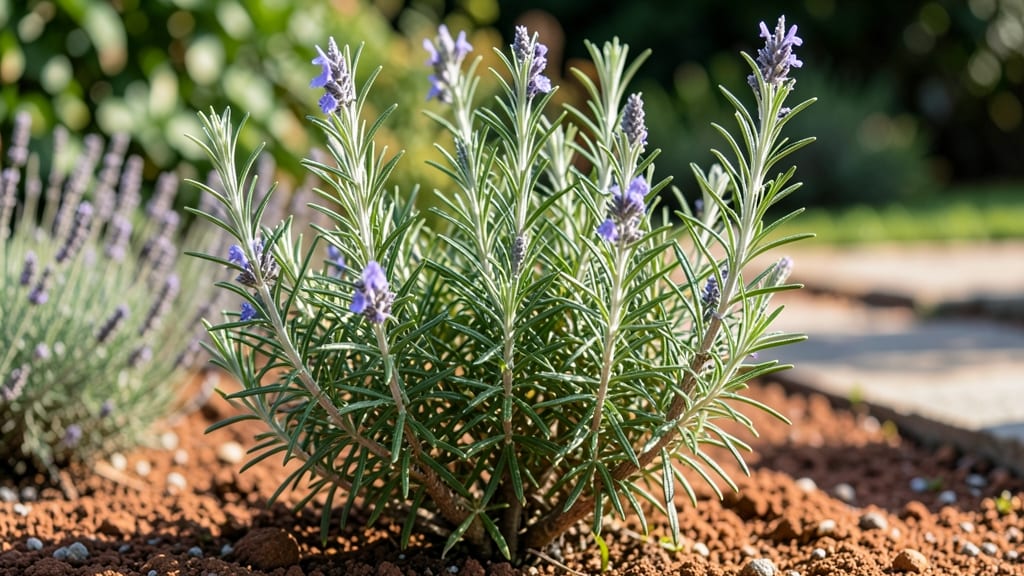
That rosemary cone tree in your garden isn't just a shrub—it's a fragrant, flowering masterpiece that thrives with the right care. 🌿 The secret to keeping it lush and productive lies in year-round pruning that encourages those stunning blue-purple flower cones while maintaining its compact shape.
I've pruned mine for years, and the difference between a wild, leggy plant and a bushy, fragrant powerhouse comes down to timing, technique, and a little seasonal attention.
Most people overlook winter pruning, but that's when you shape the foundation for next summer's blooms. Start with clean, sharp pruners and cut back about one-third of the oldest growth in late winter to encourage fresh, vigorous new shoots.
Throughout spring and summer, trim just enough to maintain shape—never more than 20-25% of the plant at once—so you don't shock it into dormancy. The key is to prune right after flowering when new growth begins, but before it gets too woody.
You'll see the payoff in abundant cones by mid-summer and a plant that smells like a Mediterranean holiday whenever you brush against it. The foliage stays bright green and dense, not sparse and leggy, and you'll have more fresh sprigs for cooking than you know what to do with.
Even in colder zones, this method keeps rosemary alive and thriving for decades—mine's been going strong for 12 years and shows no signs of slowing down.
Works equally well in containers or garden beds, and the same principles apply whether you're growing upright varieties like 'Arp' or trailing types like 'Prostratus'. The only real mistake is waiting too long between prunings—so grab those shears and get shaping!
📚 In This Guide
- What you need
- Instructions
- Tips and common mistakes
- Wrapping up and next steps
What you need
- ● Pruning shears: Sharp, bypass-style shears (for clean cuts) or anvil-style for thicker stems. Size: 6–8 inches.
- ● Hand pruners: For precision trimming of smaller branches. Look for: Ergonomic grips and stainless-steel blades.
- ● Loppers: For thicker stems (½ inch or larger). Size: 18–24 inches with a ratcheting mechanism for ease.
- ● Gardening gloves: Cut-resistant (e.g., leather or synthetic blend) to protect hands from prickly stems.
- ● Disinfectant: 70% isopropyl alcohol or rubbing alcohol to sterilize tools between cuts (prevents disease spread).
- ○ Pruning saw: Optional but helpful for very thick, woody branches. Type: Curved blade for ease.
- ● Mulch: Organic (e.g., shredded bark, pine straw) or inorganic (e.g., gravel) to retain moisture and regulate soil temp. Quantity: 2–3 inches around the base.
- ● Watering can or hose: With a gentle spray nozzle to avoid disturbing the soil.
- ● Knowledge of rosemary growth: Familiarize yourself with its woody, upright habit and tender new growth (prune just above a leaf node).
- ● Weather check: Prune on a dry, overcast day to reduce stress on the plant.
- ● Sunlight access: Ensure your workspace has bright, indirect light (rosemary loves sun but dislikes harsh afternoon rays during pruning).
- ○ Optional: Horticultural oil or neem oil (for treating pests post-pruning).
- ● Plant food or balanced fertilizer (10-10-10 NPK ratio) to replenish nutrients after heavy pruning.
- ● Labeling tags (if propagating cuttings).
Instructions for pruning your rosemary cone tree
Here’s how I keep my rosemary cone tree thriving year-round with simple pruning techniques.
🌿 Step 1: Prune for Shape in Early Spring
Start by cutting back any dead or overgrown branches with sharp pruning shears. I focus on shaping the tree first—this keeps it compact and encourages new growth. Trim just above a leaf node (where new shoots emerge) to avoid leaving stubs. A good rule is to never remove more than one-third of the plant’s foliage at once.
Watch for leggy growth—those long, bare stems that stretch toward the light. These branches need thinning to open up the center of the tree. You’ll see fresh, vibrant growth within weeks after pruning, and the fragrance will be stronger too.
✂️ Step 2: Light Pruning Mid-Summer
In mid-summer, I do a lighter trim to maintain the shape and encourage bushier growth. Cut back any branches that are growing too long or out of place, again just above a leaf node. This step is all about balance—never let the tree get too dense, or it’ll block sunlight from reaching the center.
If you notice any yellowing leaves, those branches need immediate attention. Snip them off at the base to redirect the plant’s energy to healthier growth. Rosemary responds well to frequent, light pruning—don’t wait until it’s overgrown.
🌱 Step 3: Minimal Winter Pruning
Winter is the time for minimal pruning—just enough to keep the tree tidy. Remove any dead or damaged branches first, then trim back any overly long growth by about one-third. Avoid heavy pruning in winter, as rosemary is more sensitive to cold stress when its energy is low.
Here’s the thing—rosemary can handle a little frost, but it’s best to prune after the worst of winter has passed. Wait until temperatures are consistently above 40°F before cutting back. You’ll know it’s time when new growth starts to appear at the tips of the branches.
☀️ Step 4: Year-Round Maintenance Checks
Every few weeks, I do a quick visual check for overgrowth or leggy branches. A light trim keeps the tree full and fragrant. Rosemary grows best in full sun, so if you notice branches stretching toward the light, it’s time to prune them back to encourage bushier growth.
Don’t skip this step—consistent maintenance prevents the tree from becoming too woody or sparse. If you let it go too long, you’ll end up with a lanky, unshapely plant that’s hard to revive. A little effort now means a lush, fragrant rosemary cone tree all year.
Tips & tricks for pruning your rosemary cone tree
Took me a while to figure these out, so here goes—these simple tricks will keep your rosemary cone tree thriving all year.
The Timing Secret: Early spring is the best time to shape your rosemary cone tree because it's when the plant is just waking up from dormancy. This is when it can handle the most stress and recover quickly. In Step 1, when you're cutting back those leggy branches, focus on the ones that are growing outward rather than inward. This opens up the center and lets sunlight reach all parts of the tree, which is crucial for even growth.
Tool Tip: Always use sharp pruning shears—dull blades crush stems instead of making clean cuts, which can damage the plant. I keep a small pair specifically for my rosemary tree, and I sharpen them every few months. When you're trimming in Step 2, make your cuts at a 45-degree angle just above a leaf node. This helps water run off the cut and prevents rot.
Seasonal Strategy: Winter pruning is all about subtlety. The 40°F rule is your guide—never prune when temperatures are consistently below this mark. I've learned this the hard way after accidentally pruning too early in a cold snap, which stressed the plant. Wait until you see those tiny green buds starting to form at the tips of the branches. That's your signal that the plant is ready to bounce back from pruning.
Visual Cues: When doing your year-round maintenance checks in Step 4, look for branches that are growing in a way that disrupts the tree's natural cone shape. These are the ones that need attention. Also, pay attention to the color of the leaves—healthy rosemary leaves should be a vibrant green. If you see any that are yellowing or brown, those branches need to come off immediately to prevent the plant from wasting energy on damaged growth.
Pro Tips for Rosemary Cone Tree Care
- Took me a while to figure these out, so here goes—these simple tricks will keep your rosemary cone tree thriving all year.
- The Timing Secret: Early spring is the best time to shape your rosemary cone tree because it's when the plant is just waking up from dormancy.
- Tool Tip: Always use sharp pruning shears—dull blades crush stems instead of making clean cuts, which can damage the plant.
Frequently asked questions
Got questions about keeping your rosemary cone tree thriving? You’re not alone! Here are answers to the most common concerns—from pruning timing to troubleshooting—so you can grow a lush, fragrant beauty with confidence.
When is the best time to prune a rosemary cone tree?
Prune your rosemary cone tree right after flowering (late spring to early summer) to encourage new growth. Avoid heavy pruning in winter, as rosemary is drought-tolerant but sensitive to cold stress. Light shaping in early spring is fine, but never cut more than ⅓ of the plant at once!
How do I prune for a fuller, bushier rosemary cone tree?
Focus on pinching back the tips of new growth in early spring to stimulate branching. Use clean, sharp shears to trim just above a leaf node (where leaves meet the stem). For a denser shape, prune selectively—remove only the leggy or overgrown stems to avoid stressing the plant.
Can I grow a rosemary cone tree indoors? If so, how?
Yes! Place it near a sunny window (south or west-facing) and use a well-draining pot with cactus/succulent mix. Prune lightly to control size, and water only when the soil is completely dry. Avoid overwatering—rosemary hates soggy roots! A humidifier nearby can help mimic outdoor conditions.
Why is my rosemary cone tree turning brown or crispy?
Brown, crispy leaves usually mean overwatering or underwatering. Check the soil: if it’s dry 1–2 inches down, water deeply but infrequently. If the soil stays soggy, improve drainage by adding perlite or repotting. Pests like spider mites can also cause browning—spray with neem oil if you spot webbing or tiny bugs.
What’s the difference between pruning a rosemary cone tree and a regular rosemary bush?
The key difference is structure: rosemary cone trees are pruned to maintain their upright, tree-like shape, while bush rosemary benefits from shearing for a rounded form. For cone trees, prioritize vertical growth—trim lower branches to open up the center and encourage a single trunk. Regular rosemary bushes can handle more aggressive shaping!
Wrapping up and next steps
Caring for your rosemary cone tree is all about consistent pruning and a little love—just like tending to a fragrant friend! With the right tools, timing, and techniques, you’ll enjoy lush, aromatic growth year-round. Remember, patience and observation are key, so don’t rush the process.
Ready to transform your rosemary into a thriving, bushy beauty? Grab your pruners and start shaping it today—your garden (and senses!) will thank you. 🌿 Next, explore our guide on reviving leggy rosemary!