
How To
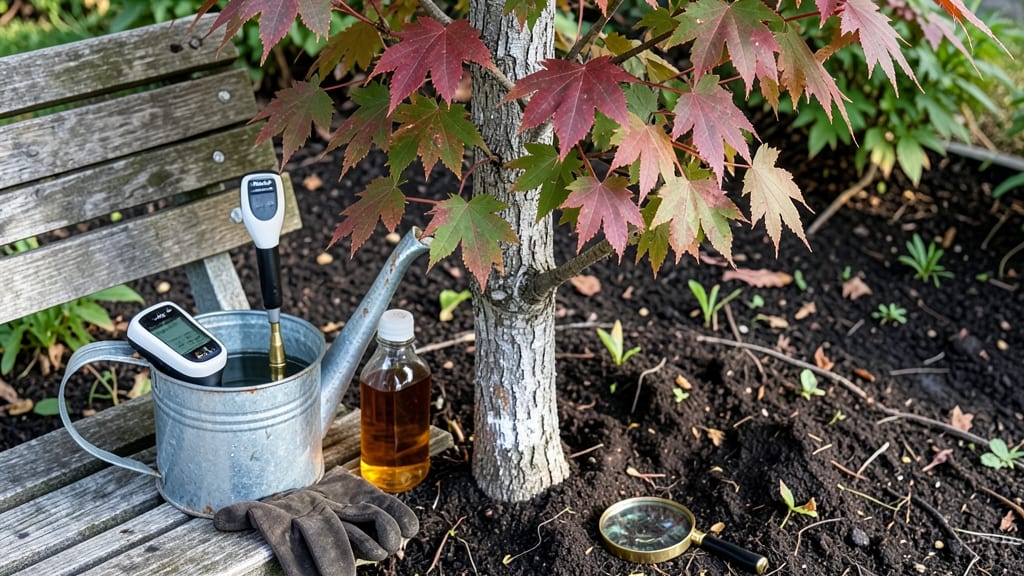
Acer tree brown tips on leaves can turn your stunning foliage into a sad, crispy mess—but there’s a way back. 🌿 I’ve nursed back more than a few maples with this exact routine after my first tree’s leaves turned brittle last summer (turns out, it was thirsty and sunburned).
The good news? Most cases fix with just three adjustments, and I’ll walk you through them step by step.
Brown tips usually mean one of three things: too much salt from tap water, dry air sucking moisture from edges, or a hidden pest like spider mites feasting on leaf tips.
I learned the hard way that skipping the soil test can mean missing a magnesium deficiency—something as simple as Epsom salt can save your tree. Start by checking the soil moisture with your finger: if it’s dry past 2 inches, water deeply but slowly to avoid runoff.
Within two weeks, you’ll see fresh green growth pushing out from the tips if you’ve got the right combo of water, humidity, and a little foliar spray of neem oil (it’s the secret weapon against mites).
The key is consistency—maples hate extremes, whether it’s drought or soggy roots. By the time fall colors arrive, your leaves will be vibrant, not crispy.
For stubborn cases, dig into the roots to check for girdling or compacted soil—sometimes the fix isn’t just leaves, it’s the whole foundation. But in 90% of cases, these three steps work miracles. Let’s get your acer looking proud again.
Root Causes Behind Leaf Discoloration
When your acer tree starts showing brown tips on its leaves, it’s often a cry for help from the tree itself. Understanding the why behind this issue is the first step toward restoring its health.
Below, we break down the most common culprits—each with a clear scientific explanation and actionable insights to address them.
Too much love (in the form of water) can actually suffocate your acer tree’s roots. When soil remains soggy, oxygen can’t reach the roots, leading to root rot—a fungal infection that disrupts nutrient uptake. The result? Brown, crispy leaf tips as the tree struggles to hydrate properly.
Why it happens:
- Excess moisture triggers anaerobic conditions in the soil, where harmful bacteria and fungi thrive.
- Poor drainage (common in clay-heavy soils) traps water at the roots, accelerating decay.
- Acer trees prefer well-draining soil with a pH of 6.0–7.5; anything outside this range worsens stress.
Actionable fix: 🔥 Test your soil with a moisture meter or dig 2–3 inches down—if it’s damp after 48 hours, you’re overwatering. 🍳 Amend the soil with compost or perlite to improve aeration. 👨🍳 Adjust your watering schedule: Water deeply but infrequently (1–2 times per week, depending on climate), ensuring the top 6 inches of soil dry out between sessions.
Acer trees love sunlight, but intense heat or direct afternoon sun can scorch leaves, causing brown tips and edges. This is especially true for younger trees or varieties like the Japanese maple, which are more sensitive to dehydration.
Why it happens:
- Transpiration (water loss through leaves) outpaces absorption, leading to cellular dehydration.
- High temperatures (>90°F) damage the cuticle layer of leaves, making them susceptible to oxidative stress.
- Wind can exacerbate the issue by increasing evaporation rates.
Actionable fix: 🌡️ Provide afternoon shade with a light fabric shade cloth (30–50% coverage) during peak heat. 💦 Mulch heavily (3–4 inches of organic mulch) to retain soil moisture and cool roots. 🎯 Water deeply in the morning to give leaves time to absorb moisture before the sun peaks.
Brown tips can signal an infection, such as anthracnose (a fungal disease) or bacterial leaf spot. These pathogens thrive in humid, wet conditions and attack leaf tissue, causing discoloration, wilting, and premature leaf drop.
Why it happens:
- Fungal spores (like Colletotrichum) enter through leaf stomata or wounds, multiplying in damp environments.
- Bacteria (e.g., Pseudomonas syringae) spread via water splashes or contaminated pruning tools.
- Weakened trees (from poor care or pest damage) are more vulnerable.
Actionable fix: ✨ Prune infected leaves immediately and dispose of them in a sealed bag (do not compost). 🔪 Apply a copper fungicide or neem oil spray every 7–10 days during wet seasons. ⏰ Improve air circulation by thinning dense foliage and avoiding overhead watering.
Acer trees are heavy feeders, and brown tips often signal a lack of essential nutrients. The most common deficiencies include:
| Nutrient | Symptoms | Why It Happens |
|---|---|---|
| Potassium (K) | Brown, scorched tips; weak stems | Potassium regulates water and disease resistance. Deficiencies occur in poor soil or after heavy fruiting. |
| Magnesium (Mg) | Interveinal browning (tips turn brown while veins stay green) | Magnesium is vital for chlorophyll. It leaches from soil in acidic or sandy conditions. |
| Nitrogen (N) | Overall yellowing (chlorosis) with brown edges | Nitrogen fuels growth. Deficiencies arise from over-pruning or lack of organic matter. |
Actionable fix: 📊 Test your soil with a home kit or lab analysis to identify specific deficiencies. 💪 Fertilize smartly:
- For potassium: Use a balanced fertilizer (10-10-10) or wood ash (sparingly).
- For magnesium: Apply Epsom salt (1 tbsp per gallon of water) as a foliar spray or soil drench.
- For nitrogen: Add compost or a slow-release granular fertilizer in early spring.
By pinpointing the exact cause of your acer tree’s brown tips, you can target the issue with precision. Next up: 3 simple fixes to revive your tree’s foliage and restore its vibrant green glow! 🌿
Revive Your Acer Tree’s Leaves
Brown tips on your acer tree’s leaves don’t have to mean the end of its vibrant display. With the right approach, you can restore its health and prevent further damage. Below are practical, step-by-step solutions tailored to the most common causes—plus tips to keep your tree thriving long-term.
If your acer tree’s roots are drowning in soggy soil, brown tips are a red flag. Overwatering suffocates roots, cutting off oxygen and nutrients.
How to Fix It
🔥 Adjust Your Watering Routine
- Stop watering immediately if the soil is already damp 2–3 inches below the surface.
- Water deeply but less frequently—acer trees prefer 1–1.5 inches of water per week (including rainfall).
- Check soil moisture by sticking your finger in the soil; water only if it’s dry.
🍳 Improve Soil Drainage
- Aerate compacted soil by gently loosening the top 6 inches with a garden fork.
- Mix in organic matter like compost or coconut coir to help water drain faster.
- Consider raised beds if your yard has heavy clay soil.
👨🍳 Repot or Relocate (For Potted Acers)
- If your tree is in a container, check the drainage holes—they must be clear.
- Repot into a larger container with fresh, well-draining potting mix if roots are circling.
🥘 Prevention Tips ✨ Use a moisture meter to avoid guesswork. 🌡️ Water in the morning so excess moisture evaporates during the day. 🎯 Mulch around the base (but keep it 3–4 inches away from the trunk) to retain just enough moisture.
Acer trees are drought-tolerant but still need consistent moisture—especially during hot spells. Brown, crispy tips signal thirst.
How to Fix It
🔥 Deep Watering Sessions
- Water slowly at the base (not overhead) for 10–15 minutes, letting it soak in.
- Repeat every 5–7 days in dry climates or during heatwaves.
🍳 Mulch Like a Pro
- Spread 2–3 inches of mulch (wood chips, straw, or pine bark) around the tree’s drip line (the edge of its canopy).
- Keep mulch away from the trunk to prevent rot.
👨🍳 Group Plants for Moisture Retention
- Plant acers near other trees or shrubs to create a microclimate that holds humidity.
🥘 Prevention Tips 💡 Drip irrigation or soaker hoses deliver water directly to roots without waste. 🌡️ Water deeply before a heatwave—acer trees store moisture better when pre-hydrated. ✨ Monitor leaf color—if they droop midday, it’s a sign of thirst.
Harsh conditions like road salt, scorching sun, or drying winds can scorch leaf edges, turning them brown.
How to Fix It
🔥 Flush Out Salt or Chemicals
- Water thoroughly to leach out salt or fertilizer buildup from the soil.
- Apply a chelated iron supplement (if soil pH is too high) to restore nutrient balance.
🍳 Protect from Harsh Elements
- Move potted acers to a shadier spot during extreme heat or wind.
- Use windbreaks (like burlap screens or evergreen hedges) for outdoor trees in exposed areas.
👨🍳 Adjust Care for Seasonal Shifts
- Reduce watering in winter (unless it’s an unusually dry spell).
- Avoid fertilizing in summer—it stresses the tree and increases heat damage risk.
🥘 Prevention Tips 🎯 Test your soil—ideal pH for acers is 6.0–7.5; amend if needed. 💡 Use shade cloth (30–50% coverage) for young or sensitive varieties. 🌡️ Water in the early morning to prevent evening evaporation.
Brown tips can also signal an infestation (like spider mites, scale, or fungal issues) or disease (e.g., anthracnose).
How to Fix It
🔥 Inspect for Pests
- Check undersides of leaves for webs (mites), sticky residue (aphids), or bumps (scale).
- Spray with neem oil (mix 2 tbsp per gallon of water) for a natural, non-toxic treatment.
🍳 Treat Fungal Issues
- Prune infected branches (sterilize tools with rubbing alcohol between cuts).
- Apply copper fungicide or a baking soda spray (1 tsp baking soda + 1 quart water + a drop of dish soap).
👨🍳 Boost Tree Immunity
- Fertilize lightly in spring with a balanced 10-10-10 formula to support growth.
- Avoid overwatering, which encourages fungal growth.
🥘 Prevention Tips ✨ Encourage beneficial insects (like ladybugs) by planting marigolds nearby. 🌡️ Water at the base, not overhead, to reduce fungal spores in the air. 🎯 Remove fallen leaves in autumn to prevent disease overwintering.
Final Pro Tip: 🌿 Prune brown tips carefully—only trim dead or damaged leaves to avoid stressing the tree further. Healthy acers recover quickly with the right care!
Frequently asked questions
Why do my acer tree leaves only show brown tips instead of full browning?
Brown tips typically indicate edge damage from environmental stress like low humidity, salt buildup, or uneven watering. Unlike full leaf browning (which suggests root rot or severe disease), tips turn brown when leaf cells lose moisture faster than the center. Think of it like a paper towel drying from the edges first—it’s a moisture imbalance issue.
Can I use rainwater instead of tap water to fix brown tips?
Rainwater is ideal because it’s chlorine-free and naturally soft, which prevents salt buildup that tap water often causes. Collect rainwater in barrels and use it for deep watering sessions. Just avoid collecting from roofs treated with copper or asphalt—these can introduce harmful chemicals.
How often should I check my acer tree for pests after treating brown tips?
Check your tree every 7–10 days during growing seasons (spring-fall) for signs of pests like spider mites or scale insects. Look closely at the undersides of leaves and new growth. If you spot webs, sticky residue, or tiny bumps, treat immediately with neem oil or insecticidal soap. Regular monitoring catches issues before they spread.
Will pruning brown tips help my acer tree recover faster?
Pruning only dead or severely damaged tips is safe, but avoid cutting healthy tissue—acer trees heal slowly. Focus on removing 100% browned leaves to reduce stress. The real recovery comes from fixing the root cause (water, nutrients, or pests). Think of pruning as cleanup, not the main solution.
My acer tree has brown tips but the rest of the leaf is green—what’s wrong?
This classic pattern usually means magnesium deficiency (often called "interveinal chlorosis"). The veins stay green because they transport nutrients, while the leaf edges turn brown from lack of magnesium. Fix it with Epsom salt (1 tbsp per gallon of water) as a foliar spray or soil drench every 2 weeks until new growth appears.