
Trees
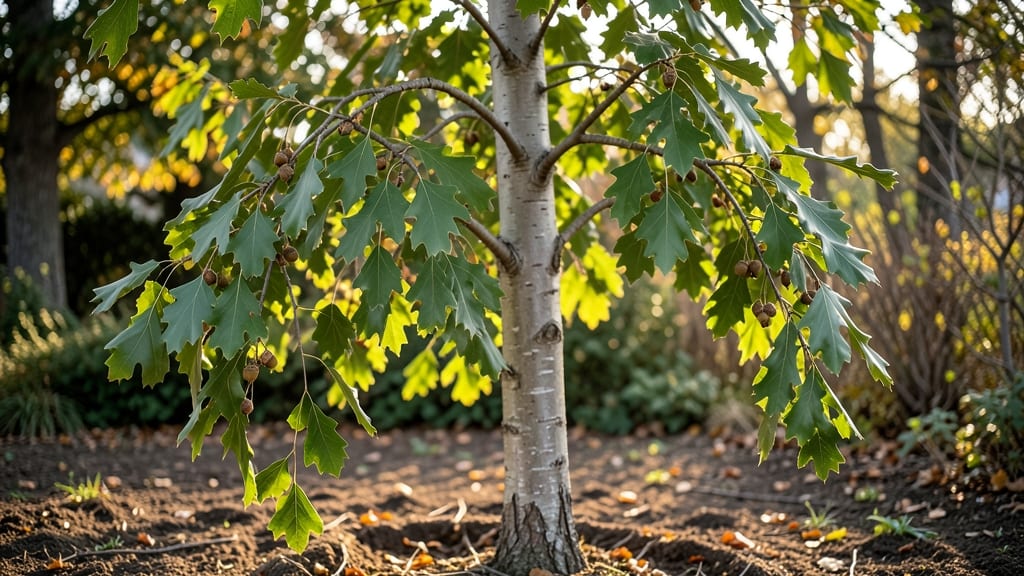
Growing willow oak trees from acorns is one of those satisfying projects that turns a simple fall walk into a long-term investment. 🌱 The key to success lies in mimicking nature’s process—cold stratification breaks the acorn’s dormancy, and with just 4 weeks in the fridge, you’ll have sprouts ready to plant.
Here’s the thing—willow oak acorns need moisture and cold to germinate, but they’re picky about timing. Collect fresh acorns in fall, clean off any debris, and store them in a damp paper towel in a sealed container.
Place it in the fridge for 4 weeks, checking weekly to keep it moist but not soggy.
Once those little white roots appear, you’ll know it’s time to plant. Use a well-draining soil mix in small pots, and keep the soil consistently damp (not wet) as the seedlings grow. Within a few months, you’ll have sturdy young trees ready for transplanting.
This method works best for Zone 6-9, but even if you’re outside that range, the cold stratification trick is worth trying. The payoff? Healthy, fast-growing oaks that thrive for decades—starting from something as simple as an acorn.
📚 In This Guide
- What you need
- Instructions
- Tips and common mistakes
- Wrapping up and next steps
What you need
- ● Fresh willow oak acorns (50–100, harvested in fall when fully mature but still firm)
- ● Cold-stratification setup: 1–2 ziplock bags (quart-sized or larger)
- ● 1 cup sphagnum peat moss (or paper towels as a budget-friendly alternative)
- ● 1 small container with drainage holes (e.g., plastic nursery pot, 6–8 inches deep)
- ● Potting mix (1 bag, well-draining blend like 60% cactus/succulent mix + 40% perlite)
- ● Small pots or seedling trays (3–4 inch diameter, 10–12 total)
- ● Spray bottle (for gentle watering)
- ● Grow lights or sunny windowsill (6+ hours of bright, indirect light daily)
- ○ Thermometer (optional but helpful for monitoring 34–40°F (1–4°C) during stratification)
- ● Humidity dome (to retain moisture while sprouting)
- ● Fungicide (like neem oil or hydrogen peroxide to prevent mold)
- ● Heat mat (for faster germination if temps drop below 34°F)
- ● Label markers (to track planting dates)
- ● Gloves (if handling large quantities of acorns)
Step-by-Step guide to cold-stratifying willow oak acorns
Here's how to break dormancy and coax strong sprouts from willow oak acorns in just four weeks.
🌱 Step 1: Harvest and Prepare Acorns for Stratification
Collect mature willow oak acorns from the ground in late fall or early winter—look for ones that fell naturally rather than picking from still-attached clusters. The shells should be thick and intact, with no cracks or signs of insect damage. Rinse them thoroughly under cool water to remove any dirt or debris clinging to the surface.
Place the cleaned acorns in a single layer on a paper towel inside a shallow container. This spacing prevents moisture buildup between acorns, which can lead to mold. Label the container with the date and variety if you're working with multiple types. Store it in a sealed plastic bag with a damp paper towel—just enough moisture so the towel feels slightly damp when squeezed, not soaking wet.
💧 Step 2: Simulate Winter Conditions for 4 Weeks
Place the container in your refrigerator's crisper drawer, where temperatures hover around 35-40°F. This mimics the natural cold period oak seeds require to break dormancy. Check the acorns weekly—if the paper towel dries out, mist it lightly with water and reseal the bag. You'll know the stratification is working when tiny white roots (radicles) emerge from the bottom of the acorns after 3-4 weeks.
Don't rush this process. Some acorns may sprout earlier, while others take the full four weeks. If you notice any acorns developing mold or an unpleasant odor, remove them immediately and discard them to prevent contamination of the rest. The goal is consistent moisture without creating an anaerobic environment.
☀️ Step 3: Encourage Germination in Warmth
Once you see radicle emergence in at least half the acorns, transfer them to a warm, bright location. I use a seedling heat mat set to 70-75°F under a grow light providing 12-14 hours of light daily. Place the acorns in a shallow tray filled with moistened sphagnum moss or a 50/50 peat-perlite mix—just enough to cover the bottom half of each acorn.
Keep the growing medium consistently moist but never soggy. You'll see the first cotyledons (seed leaves) push through the soil in 7-10 days. This is your signal that germination is progressing normally. Avoid moving the tray once sprouts appear—willow oak seedlings are sensitive to disturbance and may fail to establish properly.
🪴 Step 4: Transplant Seedlings to Individual Pots
When seedlings reach 2-3 inches tall with 3-4 true leaves, it's time to transplant them into 3-inch pots filled with a well-draining potting mix. Gently remove each seedling by grasping the soil around its base and sliding it out—never pull by the stem. Plant each one at the same depth it was growing previously, firming the soil lightly around the roots to eliminate air pockets.
Place the pots under bright, indirect light for the first week to help them recover from transplant shock. Water gently at the base, avoiding the leaves to prevent fungal diseases. Willow oak seedlings grow slowly at first, so don't expect rapid progress. With proper care, you'll have sturdy young trees ready for outdoor planting in 6-12 months.
Tips & tricks for perfect willow oak acorn sprouting
These insider techniques will help you maximize your success rate and avoid common pitfalls when sprouting willow oak acorns.
Acorn Selection: Focus on acorns that are plump, heavy for their size, and have smooth, unbroken shells. I learned this the hard way—cracked or shriveled acorns rarely sprout. If you're working with a mixed batch, separate the best specimens first. The thicker the shell, the better the protection during stratification.
Moisture Balance: The damp paper towel in Step 1 should feel like a wrung-out sponge—not dripping, but not dry. I use a spray bottle to mist the towel weekly instead of soaking it, which gives me better control. If condensation forms inside the bag, open it slightly to prevent mold. Too much moisture creates anaerobic conditions that kill seeds.
Temperature Consistency: While the refrigerator's crisper drawer maintains around 35-40°F, some models vary. Place a thermometer inside to monitor—if it drops below 32°F, move the container to a slightly warmer spot. The goal is to mimic nature's gradual temperature changes without freezing. I've seen acorns fail when exposed to sudden cold snaps, so steady conditions matter most.
Radicle Observation: Look for radicles (tiny white roots) emerging from the bottom of the acorns after 3-4 weeks. These are your first sign of success! I use a magnifying glass to check progress without disturbing the acorns. If you see black spots or fuzzy growth, that's mold—remove those acorns immediately to protect the rest. Healthy radicles should be firm and white, not mushy or discolored.
Pro Tips for Willow Oak Tree Acorns
- These insider techniques will help you maximize your success rate and avoid common pitfalls when sprouting willow oak acorns.
- Acorn Selection: Focus on acorns that are plump, heavy for their size, and have smooth, unbroken shells.
- Moisture Balance: The damp paper towel in Step 1 should feel like a wrung-out sponge—not dripping, but not dry.
Frequently asked questions
How do I know if my willow oak acorns are viable before planting?
Drop them in a glass of water. Viable acorns sink within 24 hours ( floaters are duds). For extra assurance, gently crack one open—look for a firm, white embryo inside. If it’s shriveled or moldy, toss it!
Why won’t my acorns sprout after cold stratification?
Patience is key! Willow oak acorns can take 4–8 weeks to break dormancy. If they’re still dry, soak them in water for 12 hours before replanting. Check for rot—if they smell funky, they’ve overstayed their welcome in the fridge.
Can I plant willow oak acorns directly outside instead of cold-stratifying?
Yes, but success rates drop. Outdoor planting works best in fall or winter when temps naturally fluctuate. For faster results, cold-stratify first (4 weeks in moist peat) to mimic nature’s timing. Pro tip: Plant ½-inch deep in well-draining soil!
Are willow oak acorns safe for wildlife (squirrels, deer, etc.)?
These acorns are a nutritious snack for squirrels, deer, and birds. If you’re growing them for trees, scatter a few in your yard to attract local critters—just don’t expect all to sprout. Nature’s buffet!
How tall can willow oak trees grow from acorns?
Willow oaks mature to 50–75 feet tall with a broad canopy—perfect for shade! Acorn-sprouted trees grow slower (1–2 ft/year early on) but develop stronger roots. Give them space—they’ll thank you with decades of acorns (and beauty)!
Wrapping up and next steps
Growing willow oak tree acorns through cold stratification is a rewarding way to nurture these resilient trees—and you’ve got all the tools to succeed! 🌱 With just a little patience and care, you’ll soon see those acorns sprout into strong seedlings.
Ready to plant them in your garden or landscape? Start by selecting healthy acorns, stratifying them for 4 weeks, and giving them the right conditions to thrive. Your future oak tree is just a few steps away!
Pro tip: Keep a journal of your sprouting progress—it’s a fun way to track growth and celebrate small victories! 📝✨