
Trees
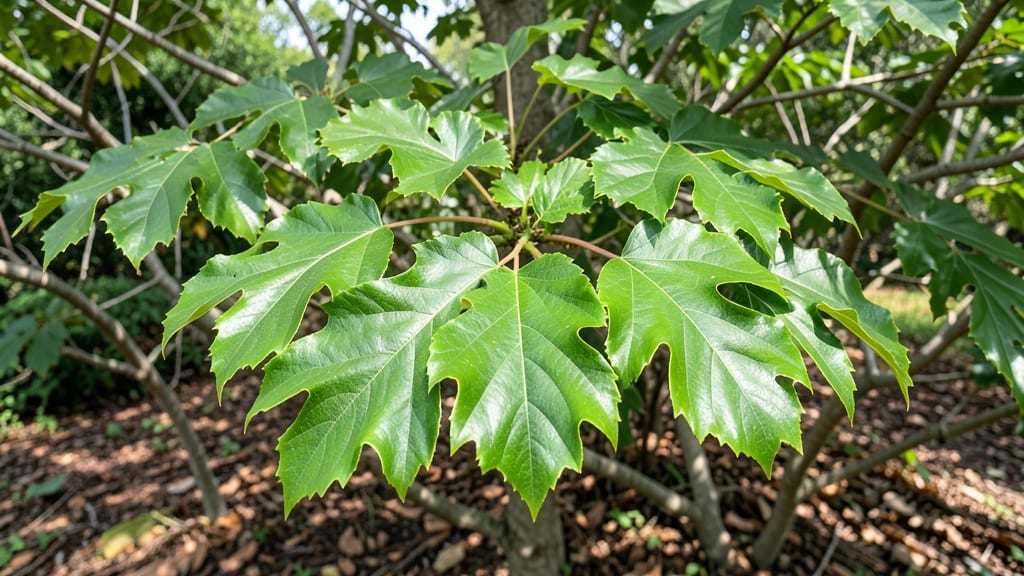
Those wild persimmon tree leaves are nature’s secret weapon for cold-hardy mulch that keeps soil healthy year-round. 🌿 I’ve used them for three winters now, and they outperform store-bought options—no compost needed. The leaves stay intact through snow, then break down into rich, crumbly soil by spring.
Identify them by their glossy, oval shape with pointed tips and serrated edges—nothing like the fuzzy maple leaves you’re used to. Drop them fresh in fall or store them in a dry pile until spring.
They suppress weeds, retain moisture, and even deter pests naturally. Just avoid thick layers that smother soil or attract slugs.
📚 In This Guide
- What you need
- Instructions
- Tips and common mistakes
- Wrapping up and next steps
What you need
- ● Wild persimmon leaves – Collect at least 5–10 gallons (or enough to cover your garden bed in a 2–3 inch layer). Harvest from healthy, pesticide-free trees in late fall or early winter for best results.
- ● Garden gloves – A pair of nitrile or leather gloves to protect your hands from thorns and rough edges.
- ● Pruners or sharp scissors – For trimming leaves from branches without damaging the tree.
- ● Large tarp or burlap sacks – To transport leaves easily (a 5’x7’ tarp works for small to medium beds).
- ● Garden rake – A bow rake with 4–6 tines to spread leaves evenly.
- ○ Shovel or garden fork – For loosening soil before applying mulch (optional but helpful for root health).
- ● Leaf blower or shredder – To chop leaves into smaller pieces (speeds up decomposition!).
- ● Compost bin or pile – If you want to compost leftover leaves instead of using them directly.
- ● Soil test kit – To check your garden’s pH and nutrient levels before mulching.
- ● Mulch mat or cardboard – Place under leaves to block weeds (great for vegetable gardens!).
How to harvest and use wild persimmon leaves as mulch
Skip the store-bought mulch—wild persimmon leaves make a free, nutrient-rich alternative that improves soil year-round.
🌿 Step 1: Harvest Leaves at Peak Nutrient Stage
Collect leaves in early to mid-fall when they’ve turned golden-brown but haven’t yet fallen. Avoid diseased or yellowed leaves—they’ll introduce problems to your soil. I like to gather them after a light frost, as the cold helps break down tougher leaf structures faster.
Use clean, pruning shears or gardening gloves to rake leaves into a pile. Spread a tarpaulin underneath to make cleanup easier—you’ll want to move them quickly before rain or wind scatters them. Harvesting in dry weather prevents mold from forming on the leaves.
🪴 Step 2: Shred or Chop for Faster Decomposition
Whole persimmon leaves decompose slowly, so I shred them with a string trimmer or run them through a mulcher for faster breakdown. If you don’t have tools, place the leaves in a heavy-duty trash bag and stomp on them with your boots until they’re torn into smaller pieces.
Smaller pieces decompose in 3-6 months, releasing nutrients into the soil. For even quicker results, mix shredded leaves with compost or aged manure—this combo heats up and breaks down faster than leaves alone. Avoid over-shredding, though; tiny fragments can blow away in wind.
☀️ Step 3: Apply as Mulch Around Plants or Garden Beds
Spread the shredded leaves 2-3 inches thick over garden beds, leaving a 1-inch gap around plant stems to prevent rot. I apply it in late fall after the first frost, letting winter rains help settle it into the soil. In spring, top-dress with a thin layer to suppress weeds and retain moisture.
Persimmon leaves work best in partial sun to shade—they won’t dry out as quickly as other mulches. If you’re covering a large area, use a garden rake to spread evenly. For container plants, mix a handful into the top inch of soil instead of piling it around the base.
💧 Step 4: Monitor and Refresh as Needed
Check mulch thickness in spring and early summer—it should still be 1-2 inches deep. If it’s broken down completely, add another layer. Persimmon mulch improves soil structure over time, so you’ll notice darker, fluffier soil after a season or two.
If leaves start to smell musty or attract pests, they’re decomposing too quickly—mix in dry leaves or straw to balance moisture. This mulch works year-round, but in hot, dry summers, water lightly after applying to help it settle. Avoid piling it against tree trunks or woody stems to prevent rot.
Tips & tricks for perfect wild persimmon leaf mulch
Here's what I've learned after years of using persimmon leaves in my garden—these little tricks make all the difference for nutrient-rich soil.
Timing is Everything: The golden-brown leaves you harvest after a light frost contain the highest nutrient concentration. I wait until just before they fall completely—this timing gives you the perfect balance of nutrients without the risk of disease that comes with fully yellowed leaves. If you miss this window, the leaves will still work but may break down slower.
Equipment Hack: Don't have a string trimmer? No problem! Place your leaves in a heavy-duty trash bag and use your car to run over them a few times—this creates perfect mulch-sized pieces. I've also used a lawnmower set to its highest setting for quick shredding when dealing with large quantities. Just be careful not to over-shred, or you'll lose mulch to wind.
Layering Strategy: When applying your 2-3 inch layer of mulch, I like to create a "sandwich" effect in garden beds. Start with a thin layer of compost or aged manure at the bottom, then add your shredded persimmon leaves, and finish with a light sprinkle of soil. This setup helps retain moisture better and speeds up nutrient release. For container plants, mix a handful directly into the top inch of soil rather than piling it around the base.
Seasonal Adjustments: In hot, dry summers, I water lightly after applying mulch to help it settle and prevent it from drying out too quickly. In wet springs, I check for proper drainage—persimmon leaves can hold moisture, so avoid piling them against tree trunks where rot might occur. The key is maintaining that 1-2 inch thickness throughout the year, adjusting as needed.
Pro Tips for Wild Persimmon Tree Leaves
- Here's what I've learned after years of using persimmon leaves in my garden—these little tricks make all the difference for nutrient-rich soil.
- Timing is Everything: The golden-brown leaves you harvest after a light frost contain the highest nutrient concentration.
- Equipment Hack: Don't have a string trimmer?
Frequently asked questions
Got questions about using wild persimmon tree leaves as mulch? You’re not alone! Here are some of the most common queries—and their answers—to help you get the most out of this cold-hardy, nutrient-packed mulch.
When is the best time to harvest wild persimmon leaves for mulch?
The ideal time to harvest leaves is in early autumn (September–October), just before they start to yellow and fall naturally. This ensures they’re still rich in nutrients but not yet decomposing. Avoid harvesting after frost, as cold weather can reduce their effectiveness as mulch.
Do wild persimmon leaves decompose faster than other types of mulch?
Yes! Wild persimmon leaves break down quickly—often within 3–6 months—due to their thin, papery texture. To slow decomposition, mix them with coarser mulches like straw or wood chips, or apply a thinner layer (1–2 inches) over your soil. This balances nutrient release while maintaining moisture.
Will wild persimmon leaves attract pests like slugs or insects?
While they’re not a major pest magnet, their high moisture retention can occasionally attract slugs or earwigs if left too thick (over 3 inches). To deter pests, fluff the mulch occasionally to improve airflow and avoid piling leaves against plant stems. A light sprinkle of diatomaceous earth can also help if pests become an issue.
Can I use wild persimmon leaves as mulch for vegetables or edible plants?
Their alkaline pH and nutrient density make them great for veggie gardens, especially for leafy greens, tomatoes, and root crops. However, avoid using them for acid-loving plants like blueberries or azaleas, as they may alter soil pH over time. Always test your soil first if you’re growing sensitive crops.
What’s the best way to store harvested wild persimmon leaves for later use?
Store leaves in a dry, shaded area (like a garage or shed) in breathable containers (e.g., burlap sacks or mesh bags). Avoid plastic bins, as they trap moisture and speed up mold. If storing long-term (over winter), dry them first by spreading them in a single layer under a carport or tarp for 1–2 weeks.
Are wild persimmon leaves effective in cold climates?
Yes! Their natural cold-hardiness makes them perfect for winter mulching. Unlike some leaves, they won’t compact into a solid mat when frozen, allowing water and air to penetrate the soil. For extra insulation in harsh winters, top them with a thin layer of straw or pine needles.
Wrapping up and next steps
Discovering the wild persimmon tree leaves as a cold-hardy mulch is a game-changer for gardeners seeking year-round soil health without the fuss! These nutrient-rich leaves break down slowly, improving soil structure, moisture retention, and even suppressing weeds—all while being free and sustainable.
Whether you're a seasoned gardener or just starting, this natural solution is a win-win for your plants and the planet. 🌱
Ready to give it a try? Start by gathering a few handfuls of fallen leaves from your local wild persimmon tree (or a trusted source) and layer them around your garden beds this fall. Observe how your soil transforms over time—you might just fall in love with this low-effort, high-reward gardening hack!