
Blooming
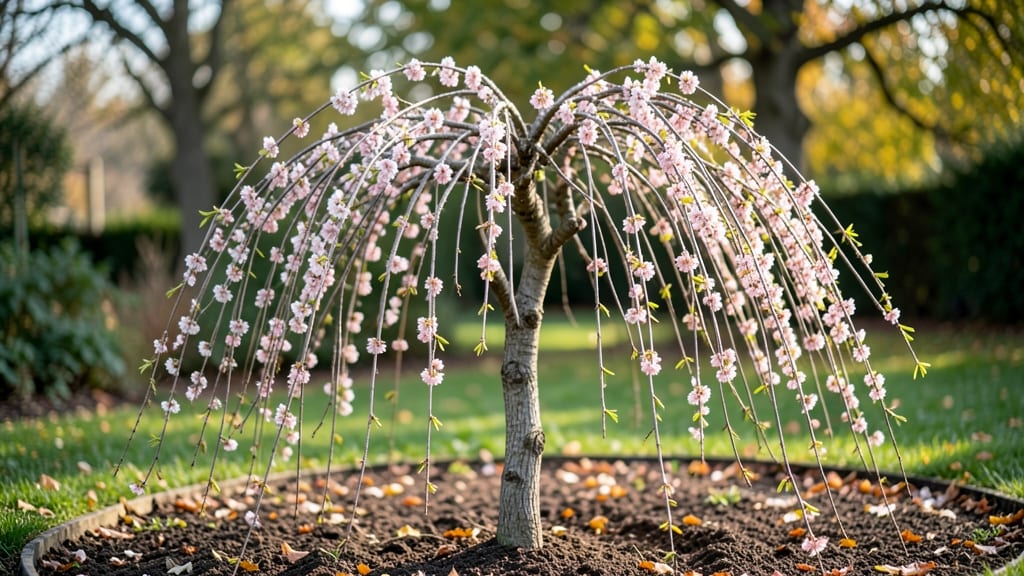
Timing the weeping cherry tree bloom time 🌸 is the key to planning your garden’s most dramatic spring display.
Picture this: your neighbors’ trees are still bare when yours bursts into a waterfall of pink or white blossoms. That’s the magic of knowing when your Prunus serrulata 'Pendula' will bloom—and how to adjust for your climate.
In Zone 6a, for example, early varieties like 'Okame' might flower as early as late March, while others wait until May.
But here’s the catch: temperature swings, late frosts, and even last year’s pruning can shift bloom time by weeks. I’ll break down how to read your tree’s signals, tweak care for earlier flowers, and avoid common mistakes that leave you waiting for that show-stopping canopy.
By the end, you’ll know exactly when to expect those cascading blooms—and how to make them last longer. Let’s get started.
Weeping cherry tree bloom time by variety: when to expect flowers
Timing your weeping cherry tree’s bloom season starts with choosing the right variety. Each cultivar has a distinct window, from early spring’s first frost warnings to late spring’s peak floral displays. Knowing these differences helps you plan for maximum impact—whether you want early color or extended blooms.
Let’s break down the bloom windows for the most popular types and how your climate zone might shift those timelines.
For example, the 'Okame' weeping cherry often blooms 2–3 weeks earlier than others, making it a star for early-season color. Meanwhile, 'Tieton' and 'Pendula' varieties tend to flower later, aligning with mid-to-late spring when frost risks drop.
These differences aren’t just about aesthetics—they also influence pruning timing and seasonal care strategies to protect those delicate blossoms.
| Variety | Average Bloom Time | Bloom Duration | Color | Climate Notes |
|---|---|---|---|---|
| 'Okame' | Late March–early April | 2–3 weeks | Pink-white | Early bloomer; thrives in zones 6–9 |
| 'Tieton' | Mid-April | 3 weeks | White | Drought-tolerant; zones 5–8 |
| 'Pendula' | Late April–early May | 4 weeks | Deep pink | Classic weeping form; zones 5–9 |
| 'Shirotae' | Early May | 3–4 weeks | Pure white | Late bloomer; zones 6–9 |
| 'Kanzan' | Mid-April | 3 weeks | Dark pink | Upright-weeping hybrid; zones 5–8 |
Bloom times adjust 1–2 weeks earlier in southern zones (e.g., 8–10) and later in northern zones (e.g., 3–5).
If you’re in a warmer climate zone (like USDA zones 8–10), expect earlier blooms—sometimes as early as February for 'Okame'. In contrast, gardeners in cooler zones (zones 3–5) might see blooms delayed until late April or May, especially if late frosts linger.
This shift is why microclimates matter: A south-facing yard can trigger blooms 1–2 weeks ahead of a north-facing spot.
For strategic planting, pair early bloomers like 'Okame' with late bloomers like 'Shirotae' to extend your seasonal color show. This technique creates a continuous floral display from March through May.
Just be mindful of frost-sensitive buds: Young trees may need frost cloth in zone 5 or colder to protect those first blossoms.
Another key factor is tree maturity. Younger weeping cherries (under 5 years old) often bloom sparingly or not at all. Patience is key—most varieties reach their full floral potential by year 7–10.
During these early years, focus on balanced fertilization and proper pruning to encourage robust growth that will support future blooms.
Did you know? Pruning timing can also nudge bloom cycles. Prune after flowering (late spring) to avoid cutting off next year’s flower buds, which form on old wood.
Over-pruning in winter can reduce bloom quantity, so stick to light shaping during dormancy. For heavier pruning, wait until June or July to
Climate zones & bloom time: how temperature affects your weeping cherry’s flowers
Your weeping cherry tree’s bloom time isn’t set in stone—it’s a delicate dance with temperature shifts and USDA hardiness zones. In Zone 3, trees often bloom weeks earlier than in Zone 9, where heat delays dormancy.
Even a 10°F cold snap in late winter can trigger buds to open sooner, while an early heatwave might stall flowering entirely.
Microclimates—like urban heat islands or sheltered valleys—can shift bloom windows by 2–4 weeks. For example, a weeping cherry in Seattle (Zone 8) might bloom in early April, while one in Phoenix (Zone 9b) could wait until late May.
Understanding these factors helps you predict delays or plan for early blooms.
In Zones 3–5, where winters are harsh, weeping cherries often bloom in February or March to capitalize on early spring warmth. These trees rely on chill hours (300–900 hours below 45°F) to break dormancy.
If your area gets fewer than 500 chill hours, like in Zone 7b–9, blooms may arrive late or be sparse.
To predict bloom delays, track your local last frost date and adjust expectations. For instance, in Zone 8, a 50°F stretch in January might push blooms to late March, while a mild winter could shift them to April.
Use a zone-specific checklist (below) to stay ahead of shifts.
For heat-sensitive varieties like 'Okame', high temperatures after bud set can cause buds to abort. In contrast, 'Tieton'—a drought-tolerant cultivar—handles Zone 5–8 heat better but still needs consistent moisture during bloom. Always water deeply in drought-prone zones to support floral development.
Pro tip: Plant near a south-facing wall in cooler zones to extend the bloom season by 1–2 weeks. In warmer zones, partial shade can prevent bud burn. Whether you’re in Zone 3 or Zone 9, understanding these temperature triggers ensures your weeping cherry puts on its best show.