
Pruning
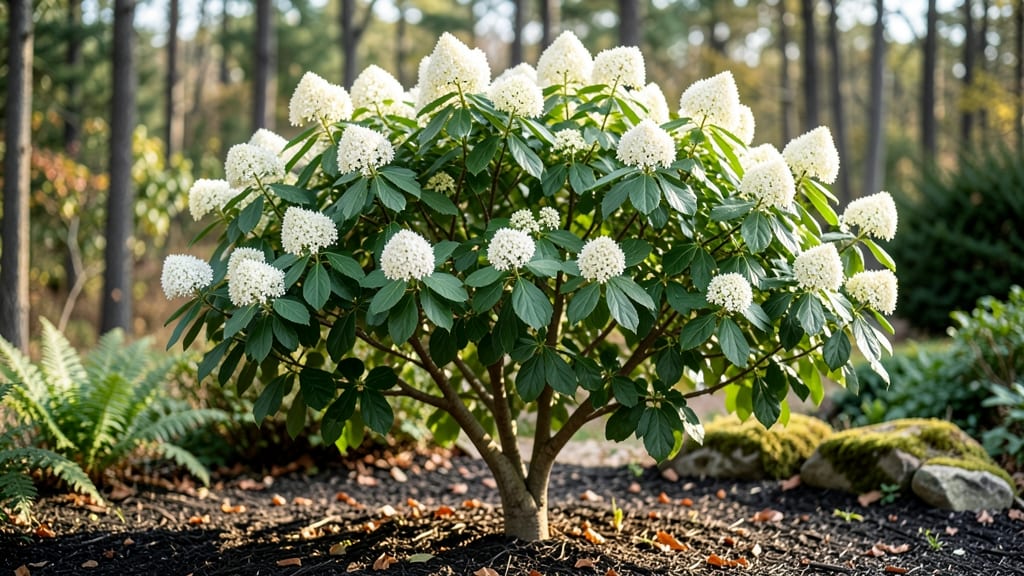
Knowing the viburnum tree height you’re working with makes all the difference when planning your landscape—some varieties stretch toward the sky like a small tree, while others stay neatly contained as shrubs.
If you’re dreaming of a vibrant, low-maintenance shrub or small tree that adds year-round interest to your garden, you’ll want to pick the right size for your space. A 15-foot viburnum can tower over a patio, while a dwarf variety fits snugly along a foundation.
The choice isn’t just about aesthetics—it’s about long-term growth habits and how much pruning you’re willing to tackle.
Below, we’ll break down the fastest-growing viburnum varieties, their mature heights, and how pruning can keep them in check—whether you’re aiming for a 6-foot hedge or a 12-foot statement piece. Plus, we’ll share the best dwarf options for small yards and containers.
Ready to match your viburnum to your vision? Let’s get started with the numbers that matter.

Viburnum tree height by variety: mature size chart for fastest-growing species
Choosing the right viburnum tree height for your landscape starts with understanding how fast each variety grows. Some viburnums shoot up 3 feet per year while others stay neatly contained—making the difference between a towering specimen and a tidy foundation plant.
The fastest-growing varieties can reach 10-15 feet tall in just a few years, while dwarf options remain under 6 feet even after a decade.
Whether you're planning a privacy screen, a backyard focal point, or a container garden, knowing the mature size helps you select the perfect viburnum.
Below, we’ve compiled a chart of the fastest-growing species, their growth rates, and ideal uses—so you can make an informed choice that fits your space and vision.
| Variety | Mature Height | Spread | Growth Rate | Best For |
|---|---|---|---|---|
| Viburnum plicatum 'Tomentosum' | 12-15 ft | 10-12 ft | 3 ft/year | Privacy screens, large gardens |
| Viburnum dentatum | 10-12 ft | 8-10 ft | 2-3 ft/year | Wildlife gardens, hedges |
| Viburnum bodnantense 'Dawn' | 8-10 ft | 6-8 ft | 2 ft/year | Winter interest, small yards |
| Viburnum opulus 'Roseum' | 6-8 ft | 5-7 ft | 1.5 ft/year | Foundation plantings, containers |
| Viburnum carlesii | 6-8 ft | 5-6 ft | 1.5 ft/year | Early spring blooms, borders |
| Viburnum burkwoodii | 6-8 ft | 5-6 ft | 1.5 ft/year | Fragrant flowers, small spaces |
| Viburnum trilobum | 8-10 ft | 6-8 ft | 2 ft/year | Wildlife habitat, woodland gardens |
| Viburnum prunifolium | 10-12 ft | 8-10 ft | 2-3 ft/year | Shade tolerance, large landscapes |
| Viburnum rhytidophyllum |
How to control viburnum tree height: pruning tips for compact growthPruning is the secret weapon for keeping your viburnum tree height in check while encouraging lush, healthy growth. Whether you're working with a towering Viburnum plicatum or a compact Viburnum burkwoodii, the right pruning techniques can transform a wild, overgrown shrub into a perfectly proportioned focal point. The key is timing—prune at the wrong time, and you might sacrifice next year's spring blooms or weaken the plant's structure. For most viburnums, the best time to prune for height control is late winter or early spring, just before new growth begins. This timing allows you to shape the plant without disturbing its flower buds, which form on old wood. However, if you're dealing with a non-flowering viburnum like Viburnum dentatum, you can prune anytime during the dormant season for easier height management. Now, let's dive into the step-by-step process to maintain your desired viburnum tree height while keeping your plant thriving: Step-by-Step Pruning Guide for Viburnum Height Control
When pruning flowering viburnums like Viburnum opulus (snowball bush), avoid cutting back old wood where blooms form. Instead, focus on thinning and shaping new growth. For non-flowering varieties, you have more flexibility—prune aggressively in late winter to reset height and encourage dense foliage. Pro tip: If your viburnum is over 10 feet tall and you want to reduce its height significantly, spread the pruning over 2-3 years. Removing too much height at once can stress the plant and reduce flowering. For dwarf varieties, a light pruning once a year is often enough to maintain their compact form. With consistent pruning, your viburnum will stay at your desired height while remaining healthy and vibrant. Just remember: patience and precision are key—especially when working with fast-growing varieties like Viburnum plicatum tomentosum! ✂️🌿 |