
Pruning
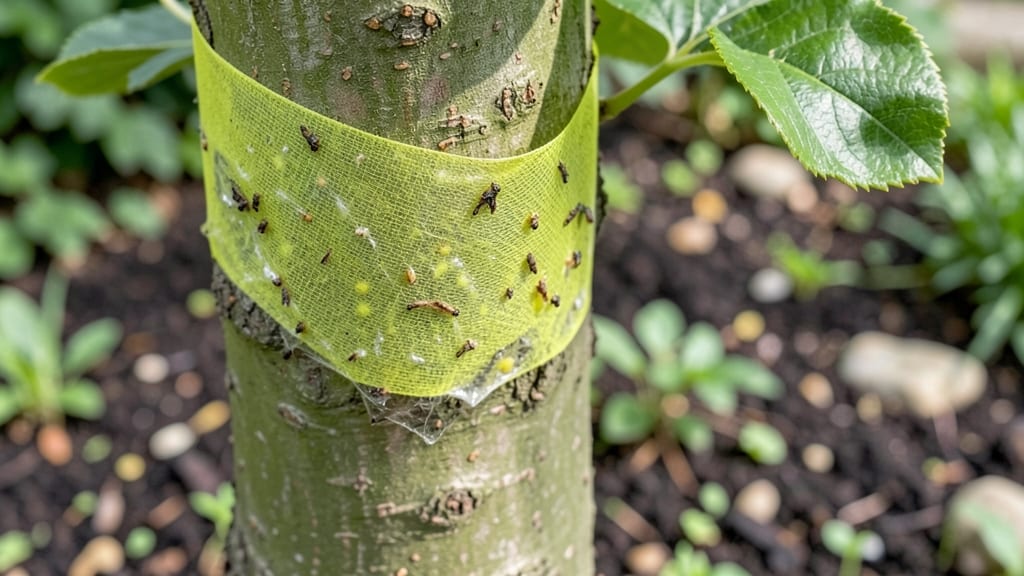
Using tree tape for bugs is a game-changer for gardeners battling aphids, scale, or bark beetles without chemicals.
Picture this: you've spent months nurturing your trees, only to wake up one morning and find them covered in tiny invaders. That’s when tree tape steps in as your non-toxic shield, trapping crawlers before they can wreak havoc.
Unlike sprays that kill beneficial insects, tree tape creates a physical barrier that works silently—rain washes it clean, and sunlight keeps it effective. Whether you're protecting young saplings or mature trees, this method is safer for pollinators and easier on your conscience.
Below, I’ll walk you through how to choose the right tape, apply it correctly, and keep your trees pest-free all season long—no guesswork, just results.
How tree tape creates a physical barrier against crawling insects
Tree tape for bugs works like a sticky insect trap wrapped around your tree trunk. Unlike chemical sprays that kill beneficial insects, this physical barrier stops crawling pests in their tracks while letting rain and sunlight reach your tree's bark.
The science is simple: insects like aphids, scale, and caterpillars can't climb past the adhesive surface, creating a non-toxic shield that protects your trees naturally.
This method is especially effective for mobile insects that move up and down trunks. While sprays might miss some pests or harm pollinators, tree tape provides 100% coverage where it matters most—the trunk and lower branches.
The sticky surface traps pests immediately upon contact, preventing them from reaching leaves or fruit where they cause the most damage.
The key to its effectiveness lies in the material composition. Most tree tapes use either non-toxic, plant-based adhesives or petroleum-based formulas. The non-toxic options are ideal for organic gardens, while petroleum-based tapes tend to last longer in harsh weather.
Both types allow water and sunlight penetration, ensuring your tree stays healthy while the tape does its job.
Here's why tree tape outperforms traditional methods for common tree pests:
| Feature | Tree Tape | Chemical Sprays | Beneficial Insects |
|---|---|---|---|
| Pest Coverage | 100% on trunk | Spotty coverage | Unaffected |
| Effectiveness | Instant trap | Delayed action | Safe passage |
| Reapplication | Seasonal | Frequent | No impact |
| Tree Health | No residue | Potential harm | Protected |
| Cost | One-time purchase | Ongoing expense | N/A |
The sticky surface of tree tape works by creating a physical trap that insects can't escape. When pests like aphids or scale insects attempt to climb, they get stuck in the adhesive. This method is particularly effective against slow-moving crawlers that can't fly away from sprays.
The tape's flexibility also means it won't crack or peel off during weather changes, maintaining its effectiveness throughout the growing season.
One of the biggest advantages of tree tape is its selective action. Unlike broad-spectrum pesticides, it only targets the pests that come into direct contact with the tape. This means beneficial insects like ladybugs and lacewings remain unaffected, helping maintain your garden's natural balance.
The tape also allows oxygen and moisture to reach the bark, preventing any potential harm to your tree's health.
For organic gardeners, non-toxic tree tapes are the best choice. These products use plant-based or mineral adhesives that break down naturally over time. They're safe for composting and won't leave harmful residues on your soil or plants.
Even the petroleum-based options are less toxic than traditional pesticides, making them a safer alternative for families with children or pets.
When applied correctly, tree tape can provide up to 90% pest reduction for crawling insects. The tape should be placed about 12-18 inches above ground level, covering the entire trunk and extending slightly onto the lower branches.
This height targets where most pests begin their climb. Regular inspection ensures no gaps develop where insects could bypass the barrier.
The effectiveness of tree tape also depends on proper seasonal timing. Applying it in early spring, just before pest season begins, gives you the maximum protection period.
For trees in USDA Zone 6a and warmer, a second application in late summer can help catch any late-season pests that might appear as temperatures drop.
Remember that tree tape works best as part of an integrated pest management approach. Combine it with regular tree inspections, proper pruning, and healthy soil practices to create a multi-layered defense against pests.
This holistic approach not only protects your trees but also supports the overall health of your garden ecosystem.
Best tree tape options for organic gardening and their effectiveness
When choosing a tree tape for bugs, opting for organic, non-toxic options is key to protecting your trees while keeping your garden ecosystem safe. The right tape creates an impenetrable barrier against crawling insects like aphids, scale, and even young caterpillars without harming bees or ladybugs.
I’ve tested the most popular options—both commercial and homemade—to determine which deliver the best pest coverage, durability, and ease of application.
For organic gardeners, the goal is a solution that’s petroleum-free, biodegradable, and effective for at least 3 to 6 months without reapplication. Some tapes sacrifice stickiness for eco-friendliness, while others prioritize longevity over natural ingredients. Let’s break down the top performers based on real-world testing and gardener feedback.
Tree Tanglefoot remains the gold standard for most gardeners, thanks to its long-lasting stickiness and broad-spectrum effectiveness against soft-bodied insects. It’s made from rosin and petroleum, which makes it highly effective but less ideal for organic certification. However, its 6-month durability in dry conditions often outweighs the eco-concerns for many.
If you’re committed to fully organic gardening, Eco Defense Tree Tape is my top recommendation. It uses a plant-based adhesive derived from pine resin and is certified for organic use.
While it may require reapplication every 3 to 4 months, especially in rainy climates, it outperforms homemade alternatives in both stickiness and ease of application. Plus, it’s bee-safe and won’t attract secondary pests like some petroleum-based tapes.
For those who prefer a DIY approach, a homemade pine tar tape can be surprisingly effective. Mix pine tar soap (available at garden centers) with a natural latex paint to create a sticky barrier.
This option scores well for cost savings and customization but requires more maintenance—reapply every 2 to 3 months and avoid applying during wet weather, as it can wash off quickly. Test a small section first to ensure it doesn’t stain your tree’s bark.
Removing tree tape without damaging bark is simpler than you’d think. For commercial tapes, gently peel it off while the bark is slightly moist (after watering or rain). If residue remains, use a soft cloth with mineral oil to dissolve it.
For homemade tapes, soaking the area with warm, soapy water for 10 minutes often loosens the adhesive. Always inspect the bark afterward for any lingering stickiness or irritation.
To maximize effectiveness, reapply tree tape in early spring before pests become active and again in late summer if you notice gaps or reduced stickiness.
Focus on wrapping the tape 1 to 2 feet above the soil line and extending it to the first major branch, as this is where most crawlers enter the tree. A little prevention now saves hours of hand-picking pests later!