
Pruning
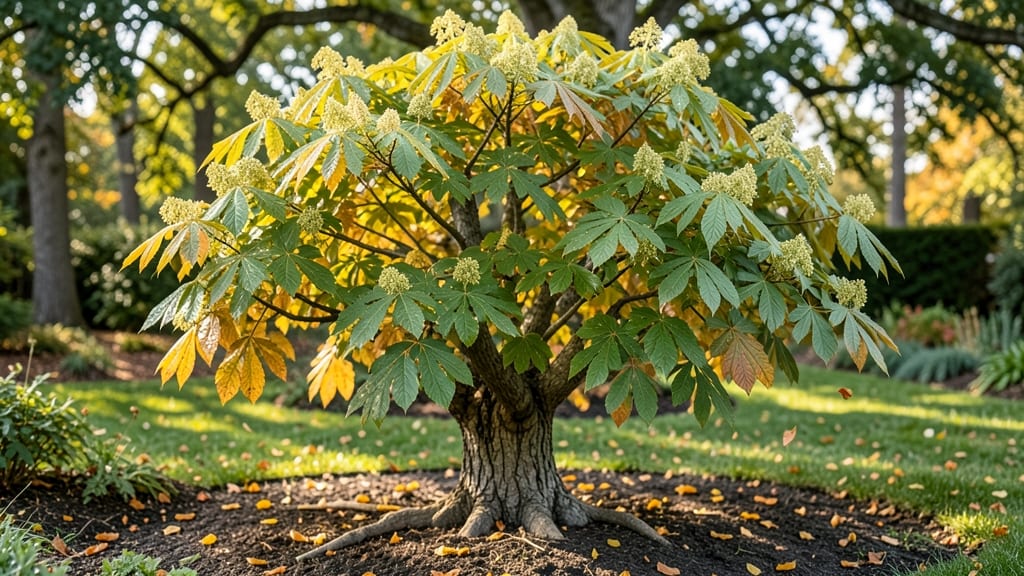
The tree of heaven in fall turns your landscape into a fiery autumn spectacle with its bold orange foliage—though its beauty hides some tricky truths. 🌿 I’ve watched mine transform from green to blaze in just three weeks, but that vibrant show comes with seeds that spread like wildfire and a scent that isn’t for everyone.
This tree thrives where others struggle, adapting to poor soil and drought once established. The trade-off? Its compound leaves turn bright orange-red in fall, creating a striking contrast against evergreens or bare branches. Just don’t let it naturalize—those winged seeds hitchhike everywhere.
You’ll love the drama of its seasonal change, but be prepared for the trade-offs: strong growth can mean crowding out native plants. Prune in late winter to control its aggressive spread while preserving those stunning fall colors.
For gardeners who want drama without the mess, consider planting it in containers or heavily mulched beds. Just keep an eye on those seeds—neighbors might thank you later.
📚 In This Guide
- What you need
- Instructions
- Tips and common mistakes
- Wrapping up and next steps
What you need
- ● Pruning shears – Bypass-style (for small branches, 3–5" diameter). Quantity: 1.
- ● Loppers – Long-handled, 8–12" (for medium branches, 6–12" diameter). Quantity: 1.
- ● Pruning saw – Curved-tooth, 16–24" (for thick branches, 12"+ diameter). Quantity: 1.
- ● Work gloves – Heavy-duty, cut-resistant (protects from sap and thorns). Quantity: 1 pair.
- ● Disposable pruning bags – 10–20 gallon (for debris collection). Quantity: 1–2.
- ● Ladder – Extension or step ladder, 12–16 ft (if tree exceeds 10 ft). Quantity: 1.
- ● Rubbing alcohol (70%+) – Small bottle (sterilizes tools between cuts). Quantity: 1.
- ○ Sharpie or pruning sealant – Optional but helpful (for marking cuts or sealing wounds). Quantity: 1.
- ● Safety glasses – Protects eyes from debris.
- ● Pole pruner – For high branches (extends reach up to 20 ft).
- ● Tree wound dressing – For large cuts (speeds healing).
- ● Wheelbarrow or tarp – For hauling heavy debris.
- ● Sap remover wipes – Pre-moistened (cleans sticky sap quickly).
Step-by-Step guide to maximizing tree of Heaven's fall color
Here's how to coax that fiery orange display from your Tree of Heaven—it's all about timing and care.
☀️ Step 1: Ensure Full Sun Exposure All Season
Tree of Heaven thrives in full sun—at least 6 hours daily—but the real secret is maintaining that exposure through summer. If your tree gets afternoon shade now, it'll produce less vibrant fall color. Prune nearby branches that cast shade, and thin the canopy if it's too dense. You'll see the difference in 3-4 weeks when new growth emerges.
Watch for leaves that turn yellow earlier than others—that's your clue the tree isn't getting enough light. Mature trees can tolerate some shade, but younger specimens need direct sun for maximum color intensity. The deeper the orange, the more sunlight it received during the growing season.
💧 Step 2: Water Deeply But Infrequently Through Summer
Tree of Heaven is drought-tolerant once established, but consistent moisture during the growing season builds stronger stems and leaves that turn more vibrantly in fall. Water deeply once a week until 18 inches down—that's about 5 gallons per tree—rather than frequent shallow watering. You'll know you've watered enough when soil 12 inches down feels moist.
Stop watering entirely 6 weeks before your first frost. This stress period actually intensifies the fall color by triggering the plant's natural defenses. If you keep watering through fall, the leaves will stay green longer but won't develop their signature orange hue.
✂️ Step 3: Light Pruning in Early Summer
Prune one-third of the oldest branches in early June to encourage new growth that will develop more vibrant fall color. Cut back to a healthy lateral bud just outside the branch collar. Remove any dead, diseased, or crossing branches first—they'll only detract from the display. You'll see fresh green shoots emerge within 2-3 weeks.
Never prune in late summer or fall. New growth at that time won't have time to mature before winter, and you'll sacrifice next year's color. The key is stimulating growth early enough that it hardens off before the first frost. This is also when to remove any suckers at the base—they divert energy from the main canopy.
🌿 Step 4: Fertilize Strategically in Late Spring
Apply a balanced 10-10-10 fertilizer in late May when new leaves are 2-3 inches long. Spread it evenly within the drip line and water deeply to activate. This timing ensures the tree has time to process the nutrients before fall. You'll notice leaves developing a richer green color within 3-4 weeks—that's your sign it's working.
Skip fall fertilization entirely. The tree needs to focus on color development, not new growth. Too much nitrogen now will produce more leaves but dull the orange tones. If your soil is very poor, a light application of compost in early spring is better than fall fertilizer.
⏰ Step 5: Time Your Final Care for Peak Color
Stop all heavy maintenance 8 weeks before your average first frost. This includes no more pruning, fertilizing, or watering beyond what's needed to keep the tree alive. The stress of cooler temperatures triggers the production of anthocyanins—the pigments that create that stunning orange. You'll see the first hints of color appear 4-6 weeks before frost, starting at the branch tips.
If you're in a mild climate where frost comes late, don't rush to prune or fertilize. The tree needs that natural temperature drop to develop its best colors. In colder regions, you might see color develop faster—sometimes within 3 weeks of temperature drops below 50°F. The goal is to let nature do the work while you provide the right growing conditions all season.
Tips & tricks for maximizing tree of Heaven's fall color
These are the secrets I've learned after years of watching Tree of Heaven transform from green to fiery orange—don't miss these game-changers.
Sunlight Strategy: The 6 hours of daily sun in Step 1 isn't just about quantity—it's about quality. Position your tree to receive morning sunlight first, as this builds the energy reserves needed for vibrant fall color. I've noticed that trees getting afternoon shade often develop patchy color, with the sunniest branches turning the deepest orange first. Consider installing a temporary shade screen on the west side if your tree gets too much late-afternoon sun—it can actually reduce heat stress that dulls fall colors.
Watering Wisdom: That 5-gallon weekly watering in Step 2 is crucial, but timing matters just as much. Water in the early morning so leaves have all day to dry, preventing fungal issues that can weaken the tree. I've seen trees with perfect watering schedules develop less vibrant fall colors because they were watered too late in the day. Also, use a soil probe to check moisture—if the soil 12 inches down is dry, it's time to water, even if it's only been 5 days since your last session.
Pruning Precision: When you prune one-third of the oldest branches in early June, focus on removing branches that are thinner than a pencil—these often produce less vibrant fall color. I cut back to a lateral bud just outside the branch collar, which encourages stronger growth from that point. The key is making clean cuts at a 45-degree angle, about 1/4 inch above the bud. This technique ensures the new growth will be positioned to catch maximum sunlight, which is critical for that deep orange hue.
Fertilizer Timing: The late May application of 10-10-10 fertilizer in Step 4 is perfect, but here's the pro tip: mix it with a handful of bone meal (about 1/2 cup per tree) for an extra phosphorus boost. Phosphorus is essential for root development and energy transfer that leads to those vibrant fall colors. Just be sure to water it in thoroughly—if it sits on the surface, it can burn the roots. I've seen trees with perfect fertilizer applications develop less intense colors because they weren't watered in properly after application.
Pro Tips for Tree Of Heaven In Fall
- These are the secrets I've learned after years of watching Tree of Heaven transform from green to fiery orange—don't miss these game-changers.
- Sunlight Strategy: The 6 hours of daily sun in Step 1 isn't just about quantity—it's about quality.
- Watering Wisdom: That 5-gallon weekly watering in Step 2 is crucial, but timing matters just as much.
Frequently asked questions
Got questions about the Tree of Heaven’s fiery fall display? You’re not alone!
Here are answers to the most common queries—from timing tips to troubleshooting—so you can make the most of its stunning autumn show.
When does the Tree of Heaven turn orange in fall?
The Tree of Heaven (Ailanthus altissima) typically bursts into vibrant orange and gold foliage in late October to early November, depending on your climate. Cooler nights and shorter days trigger the color change, so monitor local weather patterns for the best timing.
Why isn’t my Tree of Heaven changing colors this year?
Several factors can delay or dull the fall colors: stress (drought, poor soil, or pests), over-pruning, or young trees (they may take 5+ years to fully mature). Check for spotted lanternfly infestations (a common threat) and ensure it’s getting 6+ hours of sunlight and well-draining soil.
Can I prune the Tree of Heaven in fall after the leaves change?
Yes! Fall is a great time to lightly prune for shape or safety, but avoid heavy cuts—wait until late winter or early spring for major trimming. Prune after the leaves drop to see the tree’s structure clearly. Use sterilized tools to prevent disease.
What are some alternatives to Tree of Heaven with similar fall color?
If you love the Tree of Heaven’s bold hues but want low-maintenance options, try these:
- Ginkgo tree: Golden fall foliage + disease-resistant.
- Sweetgum (Liquidambar): Fiery reds, oranges, and purples.
- Sumac (Staghorn): Bright red clusters + drought-tolerant.
- Smoke tree (Cotinus): Smoky pink/purple foliage with orange undertones.
Is Tree of Heaven invasive? Should I remove it?
Yes, it’s highly invasive in many regions (e.g., Midwest, Northeast). If containment isn’t an option, consider removal in early spring (when sap is low) or replace it with native species like Black Walnut or Eastern Redbud. Always check local regulations first!
Wrapping up and next steps
The Tree of Heaven’s fiery fall display is a testament to nature’s dramatic flair—transforming your landscape into a golden-orange masterpiece with minimal effort! 🌳🍂 Whether you’re pruning for health, aesthetics, or both, this bold tree delivers year-round interest while rewarding patience with its stunning seasonal show.
Ready to make the most of your Tree of Heaven? Plan your next pruning session—just after its fall glory fades—to shape it for next year’s even more breathtaking display. Your yard’s fall centerpiece is waiting! 🌟