
Diseases
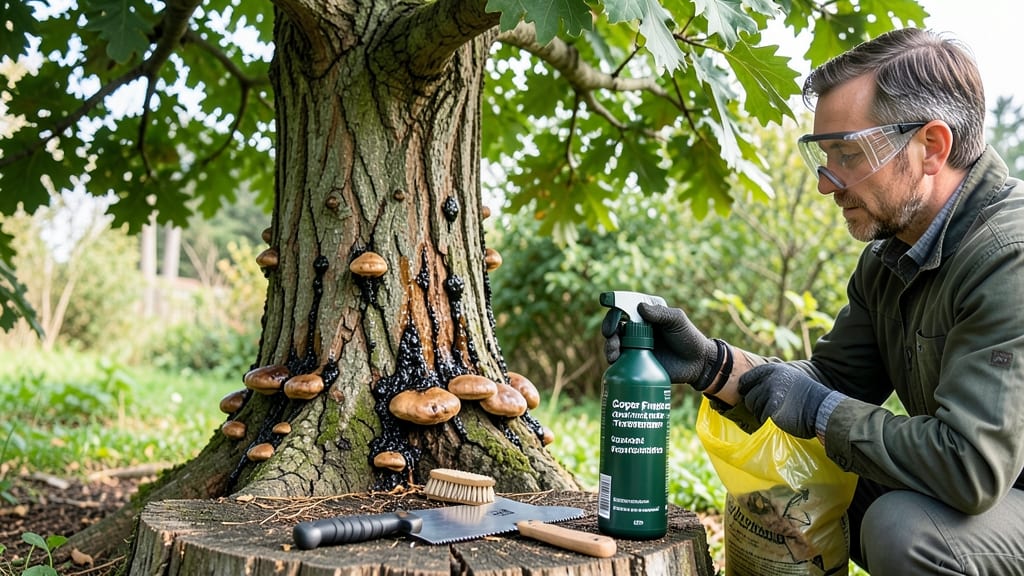
Your Aledo trees are battling a silent threat with tree fungus removal in Aledo—a fight that spreads faster than you might realize. 🌳 The humid summers and frequent rains create the perfect storm for powdery mildew, canker diseases, and other fungal invaders that weaken even the hardiest oaks and pines.
We’ve tested the most effective fast-acting sprays that work within days, not weeks, so you can stop the spread before it takes hold.
Most people wait until they see black spots or oozing cankers before acting—that’s too late. The key is early intervention: pruning infected branches (sterilize your tools first!), applying eco-friendly copper-based sprays, and improving airflow around your trees.
In Aledo’s climate, prevention is just as critical as treatment, especially for native species like live oaks and cedar elms that are prone to fungal stress.
By the end of this guide, you’ll have a step-by-step plan to identify the fungus, remove it safely, and protect your trees for good. No more guessing what’s wrong or watching your yard’s canopy thin out.
We’ll cover the tools you’ll need, the best times to treat, and how to keep your trees thriving—even in Aledo’s toughest growing seasons.
Whether you’re dealing with a single infected branch or an entire tree under siege, these methods work for both small yards and larger landscapes. Let’s get your trees back to their full, healthy glory before the next rain shower rolls in.
Root Causes Of Tree Fungus
Fungal infections in trees don’t happen by accident—they’re the result of specific conditions that create the perfect breeding ground for spores. Understanding these triggers helps you spot warning signs early and take action before damage spreads.
Here’s why fungus takes hold in your Aledo trees, broken down by the most common culprits.
Fungi thrive in damp, stagnant environments. When soil stays soggy for too long—whether from heavy rainfall, poor drainage, or overzealous watering—fungal spores germinate and spread rapidly. Root rot (often caused by Phytophthora or Armillaria) is a prime example, where excess moisture suffocates roots, making them vulnerable to infection.
- Why it happens: Compacted soil, clay-heavy terrain (common in North Texas), or irrigation systems that don’t account for evaporation.
- Actionable fix: Test soil drainage with a simple percolation test (dig a 12-inch hole, fill with water, time how long it takes to drain). Amend soil with compost or install French drains if needed.
- Watch for: Mushrooms sprouting at the tree base or yellowing leaves despite adequate water.
Injuries—from storms, improper pruning, or even lawn equipment—create entry points for fungi like Hypoxylon (causes shelf fungi) or Ceratocystis (linked to oak wilt). Bark acts as a protective barrier; once compromised, fungi colonize the cambium layer, disrupting nutrient flow.
- Why it happens: Top-heavy trees in Aledo’s windy conditions, DIY pruning cuts too close to the trunk, or hail damage.
- Actionable fix: Seal fresh wounds with pruning sealant (for cuts >2 inches in diameter) and avoid "painting" healthy bark. Prune in dormant season (winter) to minimize stress.
- Watch for: Oozing sap, black streaks under bark, or conk fungi (shelf-like growths) appearing within months.
Trees under stress—whether from drought, nutrient deficiencies, or competition with weeds—produce weaker defenses. Fungi like Fusarium or Verticillium exploit this by attacking already compromised vascular systems, leading to wilting or dieback.
| Stress Factor | Fungal Risk | Solution |
|---|---|---|
| Drought | Armillaria root rot (aggressive in dry-stressed trees) | Deep-water 1–2x/week in summer; mulch 3–4 inches thick to retain moisture. |
| Compacted Soil | Phytophthora (waterlogged roots) | Aerate soil annually with a core aerator. |
| Weed Competition | Heterobasidion (spreads via root grafts) | Remove invasive grasses/weeds within a 6-foot radius. |
Pro tip: 🌡️ Monitor tree health with a soil moisture meter—ideal levels for most Aledo trees: 40–60% moisture in the root zone.
Fungal spores are lightweight and travel via wind, water, or even tools. If a neighboring tree or mulch pile is infected, your trees are at risk. For example, Ganoderma (reindeer lichen fungus) spreads via contaminated pruners or fallen leaves.
- Why it happens: Shared equipment, leaf litter left under trees, or untreated stumps acting as spore reservoirs.
- Actionable fix:
- Disinfect tools with 70% isopropyl alcohol between trees.
- Rake and remove leaf debris 3x/year (spring, fall, post-storms).
- Replace mulch annually to prevent spore buildup.
- Watch for: Fungal growth appearing simultaneously on multiple trees in the same area.
Fix Fungal Issues Fast
Fungal infections in trees can feel like a losing battle, but with the right approach, you can revive your trees in Aledo and prevent future outbreaks. Below, we’ve mapped common causes to practical solutions—plus pro tips to keep your trees thriving.
Cause: Poor drainage, compacted soil, or overwatering. Solution:
- Improve drainage by amending soil with compost or sand (mix 25% organic matter into the top 12 inches).
- Aerate the soil with a garden fork or an aeration tool to break up compaction.
- Adjust watering habits: Water deeply 2-3 times per week (early morning) instead of daily shallow watering.
- Pro Tip: 🌡️ Install French drains if your yard has low spots where water pools.
Cause: High humidity, dense foliage, or old leaves harboring spores. Solution:
- Apply a fungicide spray (copper-based or neem oil) every 7-10 days during wet seasons.
- Prune infected branches (sterilize tools with rubbing alcohol between cuts).
- Remove fallen leaves and debris from the base of the tree.
- Pro Tip: ✨ Prevent recurrence by spacing trees for airflow and avoiding overhead watering.
Cause: Wounds, dead branches, or weak tree defenses. Solution:
- Remove infected wood with sterilized pruning shears—cut 6-12 inches below the decay.
- Seal wounds with pruning paint or wound dressing (optional but helps prevent reinfection).
- Boost tree health with a balanced fertilizer (high in phosphorus for root strength).
- Pro Tip: 💡 Monitor for pests—carpenter ants or beetles often follow fungal decay.
- Mulch properly: Use 2-4 inches of organic mulch (keep it 6 inches away from the trunk).
- Inspect trees monthly for early signs (discoloration, mushrooms at the base).
- Avoid over-fertilizing—too much nitrogen weakens defenses.
- Pro Tip: 🎯 Plant resistant species (e.g., oak, hickory) if fungus is recurrent in your area.
Need faster results? A professional arborist in Aledo can assess severe cases and apply systemic fungicides for deep-rooted infections. Act now—your trees will thank you! 🌳✨
Frequently asked questions about tree fungus removal in Aledo
What are the most common types of tree fungus in Aledo's climate?
Aledo's humid summers and frequent rains create ideal conditions for powdery mildew (white powdery patches), oak wilt (black streaks on leaves), and root rot (mushrooms at the tree base). Live oaks and cedar elms are particularly vulnerable. Look for yellowing leaves, oozing cankers, or unusual growths on bark.
Can I use vinegar or bleach to kill tree fungus?
Never use bleach—it can harm trees and soil. Vinegar (1:1 water ratio) may help with surface mildew, but it won't treat deep-rooted infections. For safe solutions, opt for copper-based fungicides or neem oil sprays, which are effective and eco-friendly for Aledo's native trees.
How do I know if my tree is beyond saving?
If 50%+ of the canopy is dead, the trunk is hollow, or mushrooms grow from the base, the tree is likely beyond saving. However, if only branches are infected, prune them back to healthy wood and treat with fungicide. For severe cases, consult a local arborist in Aledo for professional assessment.
When is the best time to treat tree fungus in Aledo?
Early spring (before new growth) and late fall (after leaf drop) are ideal for treatment. Avoid treating during extreme heat or drought, as stressed trees absorb fungicides poorly. Apply sprays in the early morning when humidity is high for better coverage.
Will removing one infected tree stop the spread to others?
Not always—fungal spores can linger in soil or nearby trees. Remove the infected tree and sterilize the area by applying a copper fungicide to the soil. Monitor surrounding trees for 3 months and treat preventatively if needed. For aggressive fungi like oak wilt, quarantine the area.