
Pruning
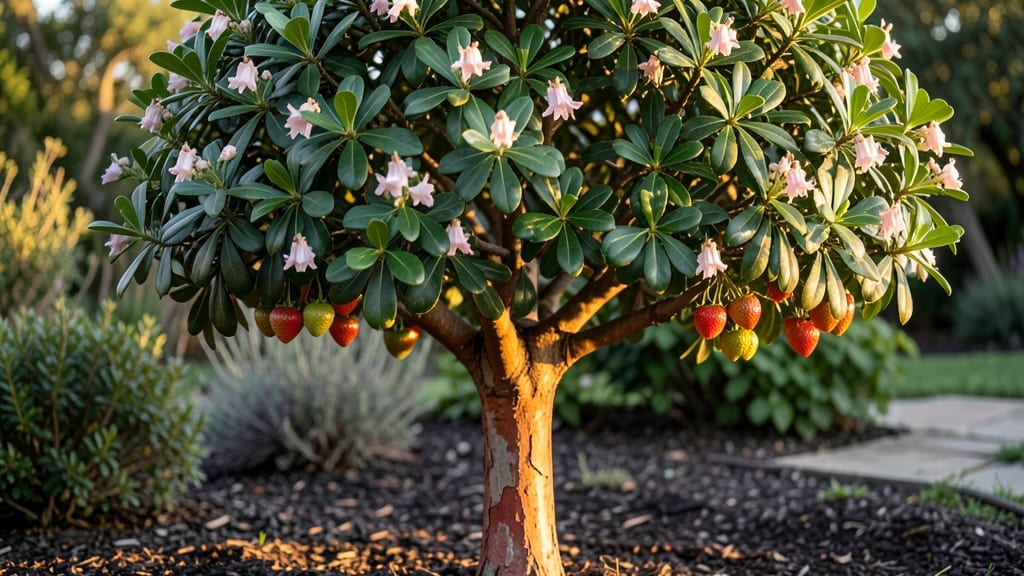
Growing a strawberry tree (Arbutus unedo) in Oregon means embracing its rugged charm and adapting to our damp, mild winters and cool summers. 🌿 I’ve watched mine thrive along the coast and in the Willamette Valley—its glossy leaves and peeling bark add texture to any landscape, while the small, tart berries are a bonus for wildlife (and humans, if you’re patient).
The key? Mimicking its natural Mediterranean roots with well-draining soil and shelter from harsh winds.
This tree loves partial shade to full sun, but in Oregon’s cooler microclimates, morning sunlight and afternoon shade work best. The soil? Sandy, acidic, and well-draining—think coastal dunes or forest floors.
Mulch heavily to retain moisture (but avoid waterlogging), and plant in spring or early fall to give roots time to establish before winter rains or summer heat stress. Prune lightly in late winter to shape and remove dead branches, but avoid heavy cuts—this tree blooms on old wood.
What you’ll love most is its low-maintenance nature: once established, it handles Oregon’s wet winters and mild frosts with ease. The berries ripen in fall, attracting birds, and the tree’s evergreen foliage provides year-round interest.
Just watch for aphids in spring and root rot if drainage is poor—both are easy to manage with proper care. Native alternatives like Pacific wax myrtle offer similar structure but with fewer pests.
Start with a 3-gallon container-grown tree for best results, and give it space—it can grow 15–25 feet tall over time. Whether you plant it as a specimen or along a fence line, this tree’s adaptability makes it a standout in Oregon gardens.
Ready to add one to your landscape? Here’s how to set it up for success.
📚 In This Guide
- What you need
- Instructions
- Tips and common mistakes
- Wrapping up and next steps
What you need
- ● Pruning shears: Bypass pruners (sharp, 6-8" blades) for small branches. Must be clean and sterilized to prevent disease.
- ● Loppers: 18-24" for thicker branches (up to 2" diameter). Look for ratcheting models for ease.
- ● Pruning saw: Curved-tooth saw (8-10" blade) for branches over 2" thick. Pro tip: 💡 A folding saw saves space!
- ● Gloves: Heavy-duty, cut-resistant gloves (gardening or pruning-specific) to protect hands from thorns and rough bark.
- ● Safety gear: Safety glasses (to shield from debris) and ear protection (if using a chainsaw for large jobs).
- ● Disinfectant: 70% isopropyl alcohol or a 10% bleach solution (1 part bleach to 9 parts water) to sterilize tools between cuts.
- ○ Pruning sealant: Optional but helpful for sealing large cuts (e.g., Tanglefoot Tree Wound Pruning Seal).
- ● Ladder or step stool: Sturdy, extendable ladder (20-30 ft) or a tall step stool for reaching higher branches. Safety first: 🔥 Use stabilizers or a helper!
- ● Heavy-duty trash bags: 30-gallon bags for collecting pruned branches and debris.
- ● Marking twine or flags: For tagging branches to remove (if planning a phased pruning approach).
- ● Chainsaw: For very large branches (3"+ diameter). Choose a pole saw for overhead work.
- ● Extension pole pruners: For high branches (10-15 ft reach). Great for avoiding ladders!
- ● Work apron: With tool loops and pockets to keep essentials handy.
- ● Tree wound dressing: Alternative sealants like TreeGo for aesthetic or additional protection.
- ● Camera or phone: To document the tree’s structure before/after pruning.
- ● Check the weather forecast—prune on a dry, overcast day (avoid windy or rainy conditions).
- ● Confirm the tree is dormant (late winter/early spring) for best results. Pro tip: 🌡️ Oregon’s mild winters may allow pruning into early spring!
- ● Review your pruning plan (see our guide on thinning vs. heading cuts) to avoid over-pruning.
- ● Have a cleanup plan for debris—compost or dispose of branches properly.
Step-by-step instructions for planting a strawberry tree in Oregon's climate
Oregon’s mild winters and wet summers create ideal conditions for strawberry trees—here’s how to plant them for maximum success.
🌱 Step 1: Choose the Right Location and Prepare the Soil
Strawberry trees thrive in well-draining soil with a slightly acidic to neutral pH (6.0-7.0). In Oregon’s Pacific Northwest, native soils often compact easily, so I recommend amending the planting area with 3-4 inches of organic compost mixed into the top 12 inches of soil. This improves drainage while retaining moisture—a must in Oregon’s rainy seasons.
Select a spot with partial shade to full sun (6+ hours of sunlight daily). While strawberry trees tolerate some shade, they produce the most vibrant fruit when exposed to morning sun and afternoon shade, especially in hotter inland Oregon areas like Salem or Eugene. Avoid low-lying spots where cold air pools, as frost can damage young trees.
☀️ Step 2: Plant at the Correct Time and Depth
In Oregon, the best time to plant strawberry trees is late winter to early spring (February-March), just before new growth begins. This gives roots time to establish before summer heat arrives. Dig a hole twice as wide and just as deep as the root ball—this prevents root circling, which is a common issue in container-grown plants.
Place the tree in the hole so the top of the root ball sits level with the surrounding soil. Backfill with native soil mixed with compost, firming gently to remove air pockets. Water deeply to settle the soil, then add 2-3 inches of mulch around the base (but not touching the trunk). This mimics Oregon’s natural forest floor and helps retain moisture during dry spells.
💧 Step 3: Water Consistently and Monitor Growth
For the first 4-6 weeks, water your strawberry tree 2-3 times per week, providing 1-2 gallons per watering to ensure the root zone stays moist. Oregon’s maritime climate means soil can dry out quickly in summer, so check moisture by sticking your finger 2 inches deep—if it feels dry, it’s time to water. Overwatering is just as harmful, so avoid soggy conditions.
Young trees will show new growth within 4-6 weeks if planted correctly. Look for bright green leaves and slightly elongated stems—these are signs the tree is establishing roots. If leaves yellow or drop, it may indicate overwatering or poor drainage. Adjust your watering schedule accordingly, as Oregon’s unpredictable weather can shift from rainy to drought-like conditions quickly.
✂️ Step 4: Prune and Fertilize for Long-Term Health
Strawberry trees benefit from light pruning in early spring to remove any dead or crossing branches. I also trim back any overly leggy growth to encourage a bushier shape, which supports better fruit production. Use clean, sharp pruners to make cuts just above a leaf node, and sterilize them with rubbing alcohol between cuts to prevent disease spread.
Fertilize in early spring and mid-summer with a balanced, slow-release fertilizer (10-10-10). In Oregon’s nutrient-rich soils, you might not need much—just a light application (½ cup per tree) spread evenly around the root zone. Water thoroughly after applying to help nutrients penetrate the soil. Avoid heavy fertilization, as strawberry trees are sensitive to excess salts, which can occur in Oregon’s wetter climates.
Tips & tricks for thriving strawberry trees in Oregon's climate
Oregon’s unique weather patterns demand a few key adjustments for strawberry trees to flourish—here’s how to optimize your planting for the Pacific Northwest.
Soil Preparation Strategy: When amending your soil with the recommended 3-4 inches of organic compost mixed into the top 12 inches, consider adding a handful of perlite or coarse sand to improve drainage in heavier Oregon soils. This prevents waterlogging during the region's frequent winter rains while maintaining moisture retention for summer droughts. I've found that testing your amended soil's pH after mixing—aiming for that 6.0-7.0 range—makes all the difference in root development.
Timing Secret: The late winter to early spring planting window (February-March) is critical for Oregon's climate, but don't be rigid about it. If you're in coastal areas like Astoria with milder winters, you can extend planting into early April. For inland regions like Bend, aim for late February to avoid spring heat stress. The key is planting before new growth begins—watch for bud swell on your tree as your cue.
Watering Wisdom: Those first 4-6 weeks of watering 2-3 times per week with 1-2 gallons per watering are non-negotiable, but Oregon's microclimates create variations. In the Willamette Valley, you might need daily watering during summer heatwaves, while coastal areas can stretch to every other day. Always check that 2-inch deep soil moisture—this simple finger test prevents both underwatering and the root rot that Oregon's wet winters can exacerbate.
Pruning Precision: When performing your early spring pruning, focus on removing branches that cross or rub against each other—these create entry points for fungal diseases common in Oregon's damp climate. I also recommend sterilizing your pruners between cuts with rubbing alcohol, as the region's high humidity accelerates pathogen spread. For fertilizer application, that ½ cup of 10-10-10 should be spread in a donut pattern around the tree's drip line, avoiding the trunk to prevent salt buildup in Oregon's naturally moist soils.
Pro Tips for Strawberry Tree Oregon
- Oregon’s unique weather patterns demand a few key adjustments for strawberry trees to flourish—here’s how to optimize your planting for the Pacific Northwest.
- This prevents waterlogging during the region's frequent winter rains while maintaining moisture retention for summer droughts.
- Timing Secret: The late winter to early spring planting window (February-March) is critical for Oregon's climate, but don't be rigid about it.
Frequently asked questions
Got questions about growing a strawberry tree (Arbutus unedo) in Oregon’s unique climate?
You’re not alone! Here are answers to the most common concerns—from pruning tips to troubleshooting—so you can nurture a thriving tree with confidence.
How do I prune a strawberry tree in Oregon’s wet winters?
Prune in late winter or early spring (February–March) before new growth starts. Oregon’s damp winters can encourage fungal issues, so avoid pruning during wet spells. Focus on removing dead, crossing, or diseased branches first, then thin out crowded areas for airflow. Pro tip: Sterilize your tools with rubbing alcohol to prevent spreading pathogens.
When should I expect fruit on my strawberry tree in Oregon?
Strawberry trees are slow to bear fruit—typically 3–5 years after planting. Oregon’s mild winters can accelerate growth, but patience is key! Once fruiting begins, expect small, strawberry-like berries (not edible raw) in late fall or winter. Fun fact: The fruit ripens over months, so harvest gradually.
Can strawberry trees handle Oregon’s frost or coastal fog?
Yes! These trees are hardy to USDA Zones 7–9, making them perfect for Oregon’s diverse climates. Coastal fog is no issue—they thrive in partial shade. However, protect young trees from late spring frosts (below 20°F) with burlap wraps. Inland areas may need winter mulch to insulate roots.
What’s the best alternative if my strawberry tree isn’t thriving?
If your tree struggles with Oregon’s soil or climate, consider Arbutus ‘Marina’ (a dwarf variety) or Arbutus ‘Compacta’ for smaller spaces. For similar benefits (edible fruit, year-round interest), try Holm oak (Quercus ilex) or Pacific wax myrtle (Morella californica). Note: All require well-draining soil—amend heavy Oregon clay with compost!
Why are my strawberry tree leaves yellowing or dropping?
Yellowing leaves often signal overwatering (Oregon’s rainy season can overdo it!) or nutrient deficiency (e.g., iron chlorosis). Check soil moisture—roots need aeration. Apply a slow-release fertilizer in early spring and ensure soil pH is 5.0–6.5. Red flag: If leaves curl or have brown spots, fungal disease may be at play—prune affected areas immediately.
Wrapping up and next steps
The strawberry tree in Oregon thrives with the right care—especially in the Pacific Northwest’s unique climate! Whether you’re pruning for fruit, aesthetics, or health, remember that patience and precision pay off.
With proper techniques, your tree will reward you with vibrant blooms, fragrant flowers, and delicious berries for years to come.
Ready to take the next step? Grab your pruners, mark your calendar for seasonal tasks, and enjoy the journey—your strawberry tree will thank you! 🌿✨