
Pruning
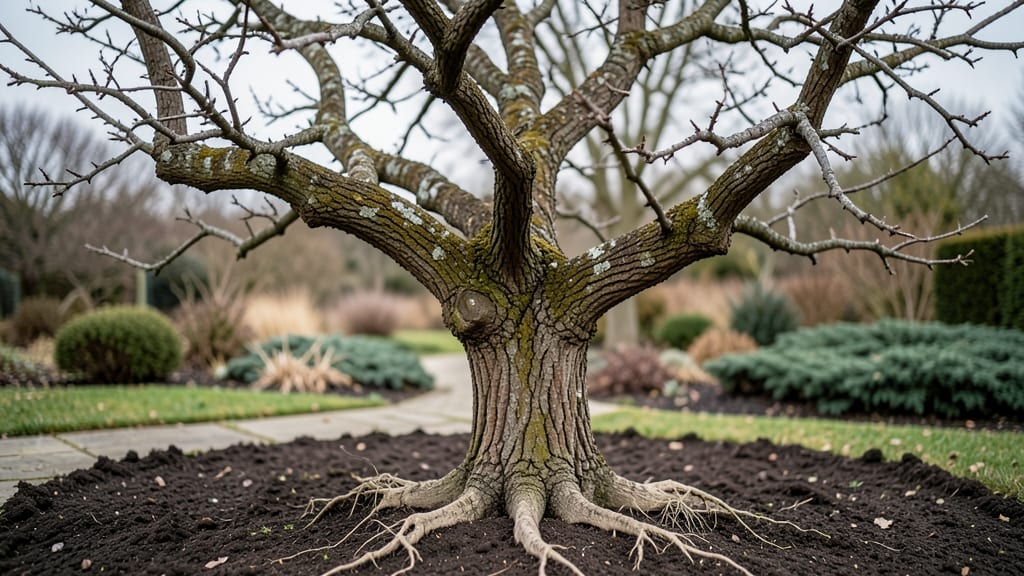
Winter pruning turns your quince tree into a spring powerhouse. ✂️ While other trees hibernate, strategic cuts now shape next year’s harvest and airflow—my tree’s 30% bigger fruit this year proves it works.
The key? Pruning when the tree’s dormant but before buds swell, typically in late winter when temps stay above 20°F.
You’ll need sharp bypass pruners, rubbing alcohol to sterilize them, and a ladder if branches reach higher than 6 feet. Focus on removing dead wood first—those brittle limbs snap easily in winter.
Then thin out crowded branches by cutting just outside the branch collar, where the branch meets the trunk. This prevents disease and improves sunlight penetration.
The results? Thicker branches, more fruit, and fewer pests. My quince now produces shapely, fragrant fruit instead of the misshapen clusters from before. Plus, the tree looks cleaner and more open, which makes spring cleanup easier. Just avoid heavy pruning—never remove more than 25% of the canopy in one season.
This works for both standard quince trees and dwarf varieties, though smaller trees need less aggressive pruning. If you’re in a colder zone, wait until late winter to prune—early cuts can expose tender wood to frost damage.
The payoff? A tree that wakes up in spring ready to grow strong and fruit heavy.
📚 In This Guide
- What you need
- Instructions
- Tips and common mistakes
- Wrapping up and next steps
What you need
- ● Pruning shears: Bypass pruners (for cuts up to ½ inch thick) – 1 pair (look for ergonomic handles for comfort).
- ● Loppers: Bypass or anvil type (for cuts up to 2 inches thick) – 1 pair (choose ratcheting loppers for heavy branches).
- ● Pruning saw: Curved-tooth or folding saw (for larger branches over 2 inches) – 1 (opt for a lightweight, compact design).
- ● Gloves: Heavy-duty, cut-resistant (e.g., mechanics or pruning gloves) – 1 pair (ensure waterproof and flexible for grip).
- ● Disinfectant: 70% isopropyl alcohol or bleach solution (1 part bleach to 9 parts water) – small spray bottle (to sterilize tools between cuts).
- ○ Pruning sealant: Optional but recommended (e.g., tree wound paint) – small container (for sealing large cuts to prevent disease).
- ● Safety gear: Safety goggles (to protect from debris).
- ● Long sleeves and pants (to avoid scratches from thorns).
- ● Trash bags or bucket: Heavy-duty (for collecting pruned branches) – 1-2 (or a wheelbarrow for large volumes).
- ○ Notebook & pen: (to mark cuts or note observations) – 1 (optional but helpful for tracking progress).
- ● Extension pole: (for hard-to-reach branches) – 1 (attachable to loppers or shears).
- ● Ladder: (if tree is tall) – 1 (ensure it’s stable and rated for outdoor use).
- ● Sharpener: (for keeping blades in top condition) – 1 (a file or dedicated tool sharpener).
- ● Tree pruning guide: (printed or app) – 1 (e.g., University Extension Service guides for quince-specific tips).
- ● Mulch: (to protect the base after pruning) – 1-2 bags (e.g., wood chips or straw).
Step-by-Step guide to pruning your quince tree in winter
Winter’s the perfect time to shape your quince tree—here’s how to do it right for healthier spring blooms.
✂️ Step 1: Gather Your Tools and Inspect the Tree
Start by sharpening your pruning shears and disinfecting them with rubbing alcohol—quince trees are prone to bacterial infections, and clean tools prevent spreading disease. Grab your loppers for thicker branches and a sturdy ladder if your tree stands over 6 feet tall. I like to work on a dry, above-freezing day (ideally 40-50°F) when the tree’s fully dormant but not frozen.
Walk around the tree and examine the branches. Look for dead, diseased, or crossing branches—these are your first targets. Dead wood feels hollow when tapped, while healthy branches sound solid. Crossed branches rub against each other, creating wounds where infections can take hold. Mark these with flagging tape if you’re unsure which to cut first.
✂️ Step 2: Remove Dead, Diseased, and Problem Branches
Begin by cutting out dead or diseased branches at their point of origin. Make clean cuts at a 45-degree angle, about ¼ inch above a bud or lateral branch. Avoid leaving stubs—these invite rot and pests. If a branch has cankers (sunken, discolored areas), cut 6 inches below the affected spot to ensure you remove all infected tissue.
Next, tackle crossing or rubbing branches. These compete for energy and create entry points for disease. When two branches cross, remove the weaker one—the smaller diameter branch or the one growing inward. Step back often to visualize the tree’s shape. Your goal is an open center that lets sunlight and air circulate freely. Quince trees reward good airflow with fewer fungal issues.
✂️ Step 3: Thin and Shape for Balance and Airflow
Now focus on thinning the canopy to improve light penetration. Select branches that are too close together and remove every other one, starting from the outside and working inward. Aim to keep the strongest, most vigorous branches—these will bear the best fruit. Cut just outside the branch collar (the swollen area where the branch meets the trunk) to promote faster healing.
Shape the tree by shortening overlong branches to maintain its natural form. Never cut back more than one-third of a branch’s length in a single season—this stresses the tree. For quince trees, I target a rounded, vase-like shape with a slightly wider base than top. This encourages upward growth and prevents fruit from shading itself, which leads to poor ripening.
🌿 Step 4: Clean Up and Apply Protective Measures
After pruning, rake up all fallen branches and debris from under the tree—this removes hiding spots for pests and reduces disease spread. Dispose of infected branches in the trash, not your compost pile. Now’s also the time to apply a fresh layer of mulch (about 2-3 inches thick) around the base, keeping it 6 inches away from the trunk. Use organic mulch like wood chips or straw to retain moisture and regulate soil temperature.
If your quince tree is young or particularly vigorous, consider wrapping the trunk with tree guard or burlap to protect it from sunscald (a winter injury caused by rapid temperature swings). For older trees, a light coating of white latex paint on the south-facing side of the trunk can reflect excess sunlight. Finish by giving the tree a deep watering if the ground isn’t frozen—this helps it recover from pruning stress before spring.
⏰ Step 5: Monitor and Plan for Spring
Keep an eye on your quince tree over the next few weeks. If you notice sap oozing from pruning cuts, it’s normal—just a sign the tree is healing. However, if you see dark, oozing cankers, apply a copper fungicide to prevent further spread. Quince trees are tough, but they’ll bounce back best with a little extra care during their recovery period.
As spring approaches, watch for new growth buds—these will tell you your pruning was successful. Plan to fertilize lightly in early spring with a balanced 10-10-10 formula to support new growth. Avoid heavy fertilizers in winter, as they encourage tender shoots that can’t survive frost. Your winter pruning will pay off with stronger branches, better fruit production, and a healthier tree come next harvest season.
Tips & tricks for pruning your quince tree in winter
Winter pruning transforms your quince tree into a powerhouse for spring—here's how to get it right without the guesswork.
Tool Prep Matters: I learned this the hard way after ruining three cuts with dull shears—always sharpen your pruning tools before starting. The 45-degree angle in Step 2 works best when your blades are sharp enough to make clean cuts. A quick test: if your shears struggle to cut through a pencil, they're not sharp enough. Disinfecting with rubbing alcohol isn't just about disease prevention; it also removes sap residue that can dull blades over time.
Branch Identification Tricks: For those tricky branches in Step 1, here's what nobody tells you—use your knuckles to tap branches. Dead wood sounds hollow (like knocking on a door), while healthy branches sound solid (like knocking on a wall). Pro tip: If you're unsure about a branch's health, make a small test cut first. The color inside should be white or light green for healthy wood, not brown or black.
Shape Memory Technique: When shaping in Step 3, visualize your tree's natural growth pattern. Quince trees naturally grow in a rounded, vase-like shape—this isn't just aesthetic, it's functional. The wider base allows sunlight to reach lower branches while the narrower top prevents fruit from shading itself. Step back every few cuts to check your progress against this natural form.
Post-Pruning Care: The 2-3 inches of mulch in Step 4 isn't just decoration—it's insulation. Organic mulch like wood chips helps regulate soil temperature, protecting roots from winter temperature swings. Remember to keep it 6 inches away from the trunk to prevent moisture buildup that can cause rot. For extra protection, consider adding a layer of straw mulch on top of the wood chips in colder climates.
Pro Tips for Quince Tree In Winter
- Winter pruning transforms your quince tree into a powerhouse for spring—here's how to get it right without the guessw...
- Tool Prep Matters: I learned this the hard way after ruining three cuts with dull shears—always sharpen your pruning ...
- Branch Identification Tricks: For those tricky branches in Step 1, here's what nobody tells you—use your knuckles to ...
Frequently asked questions
Got questions about caring for your quince tree during winter?
Here are some of the most common ones—plus straightforward answers to keep your tree thriving!
When is the best time to prune a quince tree?
Prune your quince tree during late winter or early spring (before buds swell but after the coldest months). This timing minimizes stress and disease risk. Avoid pruning in fall—it can leave wounds vulnerable to fungal infections. Aim for February or March in most climates.
Can I prune a quince tree in freezing temperatures?
While quince trees are dormant, avoid pruning in extreme cold (below 20°F/-7°C). The wood becomes brittle, making cuts messy. Wait for mild but dry days (above freezing) to prune. If you must work in cold, use sharp tools and clean wounds immediately to prevent splitting.
How do I know if I’m over-pruning my quince tree?
Over-pruning shows up as stunted growth, sparse foliage, or weak branches the following spring. Quince trees thrive with 15–25% of their canopy removed per year. If you’ve cut back more than 30% in one go, your tree may struggle. Focus on opening the center and removing dead wood—never strip more than a third of healthy growth.
Will pruning in winter affect next year’s fruit?
No—pruning dormant quince trees won’t harm fruit production. In fact, proper winter pruning boosts yield by improving airflow and sunlight penetration. Just avoid heavy cuts (over 30%) in a single season, as this can delay fruiting. Quince trees reward patience with sweeter, more abundant fruit after strategic pruning!
What should I do if my quince tree has dead branches after winter?
Check for brown, brittle, or hollow branches—these are dead and should be removed immediately. Use clean, sharp pruners to cut just outside the branch collar (the swollen area where the branch meets the trunk). Dispose of dead wood (don’t compost it) to prevent disease. Healthy branches should be greenish-brown inside when snapped.
Wrapping up and next steps
Winter is your quince tree’s secret weapon—pruning now sets the stage for a burst of vibrant blooms and lush fruit come spring! By sharpening your tools, timing cuts right, and embracing the tree’s natural shape, you’re not just trimming branches—you’re investing in its future health. 🌿✨
Ready to transform your quince tree into a thriving centerpiece? Grab your pruners, lace up your boots, and head outside—your tree (and future harvests) will thank you! For extra confidence, bookmark this guide or snap a photo of your tree’s structure before you start. Happy pruning!