
Pruning
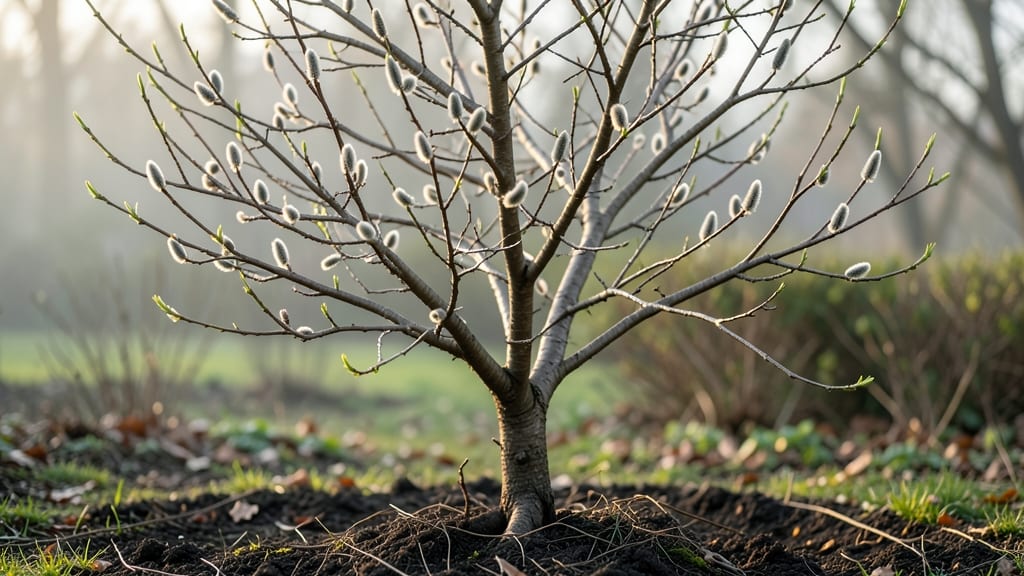
Your pussy willow tree care starts with knowing exactly when and how to prune for that fluffy, snow-like spring display. 🌿 I’ve pruned mine for five years now, and the secret isn’t just cutting branches—it’s timing the cuts to encourage fresh, vibrant growth while keeping the tree healthy year-round.
The right approach transforms a ragged shrub into a showstopper that blooms reliably every season.
First, you’ll need sharp pruning shears and a clear day to assess the tree’s structure. Pussy willows thrive in full sun to partial shade and moist, well-drained soil, but their real magic happens in late winter or early spring—just as buds begin to swell.
This is when you make 25-30% of your cuts, removing dead, crossing, or overcrowded branches to open the canopy for better airflow and sunlight penetration.
By summer, you’ll see the payoff: lush, fuzzy catkins that turn into soft, velvety blooms, followed by vibrant green foliage that stays fresh until fall. The key is to avoid heavy pruning after mid-summer, as it can stress the tree before winter.
Instead, focus on shaping and light maintenance to keep it looking its best without sacrificing next year’s blooms.
If you notice yellowing leaves or pests like aphids, don’t panic—these are common issues with simple fixes. Aphids can be washed off with water, and yellowing often signals overwatering or poor drainage.
With the right care, your pussy willow will reward you with decades of easy, low-maintenance beauty and a springtime spectacle that neighbors will envy.
📚 In This Guide
- What you need
- Instructions
- Tips and common mistakes
- Wrapping up and next steps
What you need
- ○ Soil: Well-draining, moist soil (a mix of topsoil, compost, and sand works best). Optional: Mulch (2-3 inches of organic mulch like wood chips or straw).
- ● Watering supplies: Garden hose with adjustable nozzle (or a watering can for small saplings)
- ○ Drip irrigation system (optional for large trees)
- ● Pruning tools: Bypass pruners (for small branches, ¼”–¾” thick)
- ● Loppers (for medium branches, ¾”–2” thick)
- ● Pruning saw (for thick branches, 2”+ thick)
- ● Fertilizer: Slow-release, balanced fertilizer (10-10-10 or similar) (apply in early spring).
- ● Tree support: Stakes and tree ties (for young saplings in windy areas)
- ○ Cage or spiral support (optional for straight growth)
- ● Soil pH test kit (to ensure pH 6.0–7.5, ideal for willows).
- ● Tree wound dressing (for large pruning cuts to prevent disease).
- ● Gloves and long sleeves (willow branches can be sharp!).
- ● Spray bottle with water (for misting new cuttings if propagating).
Step-by-Step guide to pruning and maintaining your pussy willow tree
Here’s how to keep your pussy willow thriving year-round with simple, effective pruning and seasonal care.
✂️ Step 1: Prune in Late Winter for Strong New Growth
Timing matters most—wait until late winter (just before buds swell) to prune. This ensures you remove dead wood while leaving healthy buds intact for spring growth. Use clean, sharp pruners to make cuts at a 45-degree angle about ¼ inch above a bud facing outward. Avoid cutting into the trunk or large branches unless absolutely necessary.
Focus on removing dead, diseased, or crossing branches first. These compete with healthy growth and can invite pests. I like to start with the smallest branches—removing them opens up light for the main structure. Watch for suckers (shoots growing from the base or roots) and cut them off at the base to redirect energy upward.
🌿 Step 2: Thin Out Crowded Branches in Early Spring
Once new leaves emerge in early spring, step back and assess the tree’s shape. Pussy willows naturally grow in a rounded form, but overcrowding weakens branches. Remove up to 25% of the smallest branches to improve airflow and sunlight penetration. Thin from the inside out—start with branches growing toward the center and work outward.
You’ll know you’ve thinned enough when light filters through the canopy easily. Avoid removing more than one-third of the foliage in a single year—this stresses the tree. If you’re unsure, take a photo first; you can always adjust later. Prune on a dry, calm day to prevent sap from dripping and to minimize stress on the tree.
☀️ Step 3: Monitor for Pests and Diseases Mid-Summer
Mid-summer is the time to spot issues before they spread. Check for aphids, scale, or willow borers—common pests that weaken pussy willows. If you see sticky residue on leaves (aphids) or small holes in bark (borers), act fast. For minor infestations, spray with neem oil or insecticidal soap on a cool evening to avoid harming beneficial insects.
Watch for fungal spots on leaves, too. Remove and destroy any heavily infected leaves immediately. Prune out any branches with large cankers or oozing sap—these are signs of advanced disease. Healthy pussy willows should have vibrant green leaves and no visible damage by late summer. If you notice yellowing leaves, it’s often a sign of overwatering or poor drainage.
⏰ Step 4: Light Pruning in Fall to Prepare for Winter
Fall pruning is minimal—just enough to tidy up. Remove any dead or broken branches that may have formed after summer storms. Avoid heavy pruning now, as new growth won’t harden off before winter. Instead, focus on cleaning up the base—remove any suckers or low-hanging branches that could trap moisture and rot.
This is also the time to mulch around the base (if you have mulch on hand) to protect roots from freezing. Keep mulch 2-3 inches thick and 6 inches away from the trunk to prevent rot. A light layer of mulch helps insulate roots while keeping the tree’s structure intact for winter. If your tree is in a windy area, consider staking young or newly pruned branches to prevent winter damage.
Tips & tricks for perfect pussy willow tree care
Common pitfalls—and how to sidestep every one—when keeping your pussy willow healthy and thriving.
Tool Prep: Before you start pruning in late winter, take 5 minutes to clean and sharpen your pruners. Dull blades tear wood, creating jagged cuts that invite disease. I like to wipe them down with rubbing alcohol after each use—it disinfects and prevents sap buildup. For larger branches, consider using a pruning saw with a fine-tooth blade to avoid splintering.
Seasonal Timing Secret: The late winter timing in Step 1 is critical because that's when your tree's energy is still dormant. If you prune too early, you risk removing buds that haven't yet formed. If you wait too late, you'll be cutting into new growth. Watch for bud swell—when you can see tiny green bumps along the branches, that's your cue. In colder climates, this might be February; in milder areas, it could be March.
Visual Cues for Spring Pruning: When thinning branches in early spring (Step 2), look for these signs of overcrowding: branches rubbing against each other, leaves touching the ground, or areas where sunlight can't reach the lower canopy. I use the "light test"—if you can see sunlight through the canopy when looking up from below, you've thinned enough. Remember, you're aiming for an open, airy structure that lets sunlight reach all parts of the tree.
Pest Prevention Strategy: Mid-summer pest checks (Step 3) are your best defense against willow borers, which can be devastating. I've found that inspecting the undersides of leaves is just as important as checking the bark. For borers, look for tiny holes with sawdust-like frass around them. If you catch an infestation early, a mixture of neem oil and water (1 tablespoon per quart) sprayed directly on affected areas works wonders. Always apply in the evening to avoid harming bees and other beneficial insects.
Pro Tips for Pussy Willow Tree Care
- Common pitfalls—and how to sidestep every one—when keeping your pussy willow healthy and thriving.
- Tool Prep: Before you start pruning in late winter, take 5 minutes to clean and sharpen your pruners. Dull blades tea...
- Seasonal Timing Secret: The late winter timing in Step 1 is critical because that's when your tree's energy is still ...
Frequently asked questions
Got questions about keeping your pussy willow tree thriving? Here are some of the most common concerns—plus quick, actionable answers to keep your tree happy year-round.
When is the best time to prune a pussy willow tree?
Prune your pussy willow in late winter or early spring (before buds swell) to encourage healthy growth. Avoid pruning in fall or summer, as this can stress the tree and attract pests. If you must prune for safety (e.g., dead branches), do it anytime—but prioritize the dormant season for optimal results.
How often should I water a newly planted pussy willow tree?
Water deeply 2-3 times per week for the first year, ensuring the soil stays moist (but not soggy). After establishment, reduce to once a week during dry spells, as pussy willows are drought-tolerant once mature. Pro tip: Mulch around the base to retain moisture and protect roots!
Can I prune pussy willow branches in summer for fuller growth?
While you can prune in summer, it’s not ideal—new cuts may slow growth and invite disease. If you must shape it, remove only 10-15% of the canopy and do so on a cool, overcast day to minimize stress. For best results, stick to dormant-season pruning.
Why are my pussy willow branches turning yellow or brown?
Yellowing leaves often signal overwatering or poor drainage, while brown tips may mean underwatering or fungal issues. Check for pests (like aphids) or signs of root rot. Adjust watering habits, improve soil aeration, and prune affected branches 1/4 inch above a healthy bud to encourage regrowth.
Are pussy willows good for small yards? What alternatives exist?
Pussy willows grow 15-25 feet tall, making them great for medium spaces, but they can sprawl. For smaller yards, consider dwarf varieties or alternatives like weeping willow (for water features) or silver birch (for ornamental fluff). Always check mature size before planting!
Wrapping up and next steps
Caring for your pussy willow tree is all about strategic timing, patience, and a little love—and you’ve got this! 🌿 With the right pruning techniques, you’ll encourage vibrant growth, stunning blooms, and a tree that thrives year after year.
Whether you’re trimming for shape, health, or those iconic fuzzy catkins, remember: less is often more—avoid over-pruning, and your tree will reward you with beauty and resilience.
Ready to level up your green thumb skills? Grab those pruners and head outdoors—your pussy willow is waiting for its next big glow-up! 🌱✨ (Pro tip: Snap a photo of your tree’s progress—you’ll love tracking its transformation!)