
Pruning
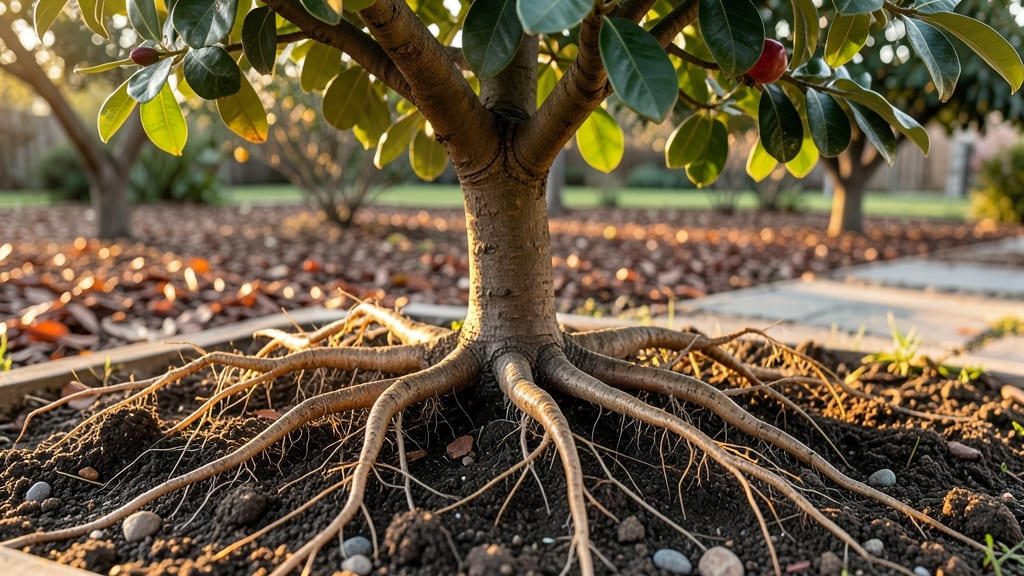
Managing pomegranate tree roots means the difference between a tree struggling in your yard and one that bursts with fruit every season. 🌱 I’ve watched my own pomegranate tree transform from a scraggly sapling to a vibrant, productive powerhouse—all because I learned how to handle its roots properly.
The secret isn’t complicated: it’s about giving those roots the right space, soil, and care they crave to feed the tree above ground.
Pomegranate roots spread aggressively but shallowly, so planting depth matters—too deep, and the tree suffocates; too shallow, and it topples. The ideal spot? Well-draining soil with 6-8 inches of loose topsoil mixed with compost, planted just below the root flare.
If your tree’s roots are already tangled, root pruning in early spring (before new growth) can redirect energy to fruit production instead of root competition.
You’ll notice the payoff by summer: darker green leaves, stronger branches, and clusters of those jewel-toned arils you’ve been dreaming of. The tree won’t just survive—it’ll thrive, even in heatwaves, because healthy roots mean drought resistance and fewer pests.
And yes, this works for container-grown pomegranates too, just with shallower root pruning.
Fair warning: overcrowded roots mean fewer fruits, not more. If you’re transplanting, do it in late winter or early spring when the tree’s dormant, and water deeply afterward to help roots establish.
The first year after transplanting is critical—keep an eye on soil moisture and avoid heavy pruning above ground until roots catch up.
📚 In This Guide
- What you need
- Instructions
- Tips and common mistakes
- Wrapping up and next steps
What you need
- ● Pruning shears: Bypass pruners (sharp, sterilized blades, 6–8" handle length) – 1 pair
- ● Loppers: Heavy-duty, 20–24" long (for thicker roots) – 1 pair
- ● Gloves: Thick, cut-resistant gardening gloves (nitrile-coated preferred) – 1 pair
- ● Disinfectant: 70% isopropyl alcohol or bleach solution (1 part bleach to 9 parts water) – small spray bottle
- ○ Root stimulator: Mycorrhizal fungi powder or rooting hormone gel (optional but helpful for recovery) – small container
- ● Shovel or spade: Flat-edged, 12–14" wide (for digging around roots) – 1
- ● Wheelbarrow or bucket: For collecting pruned roots/debris – 1
- ● Watering can or hose: With a gentle spray nozzle (for post-pruning hydration) – 1
- ● Markers or flags: Stakes or colored twine to tag pruned areas (if needed) – 5–10 pieces
- ● Knee pads: For comfort during extended digging.
- ● Root barrier fabric: If pruning near property lines or to contain roots.
- ● Compost or mulch: To replenish soil after pruning (2–3 inches).
- ● Camera or sketchpad: To document root structure before/after pruning.
Instructions for pruning pomegranate tree roots
Here's how to maintain strong root health while maximizing fruit production—my go-to method for keeping pomegranates thriving.
✂️ Step 1: Assess Root Health Before Pruning
Start by examining the root zone carefully. Healthy pomegranate roots should appear white or light tan with a fibrous texture. Look for any signs of decay—mushy, dark, or foul-smelling roots need immediate attention and should be trimmed back to firm tissue. I always check in early spring before new growth begins, when the tree is still dormant but roots are active.
Gently loosen the top 2-3 inches of soil around the base to expose roots without damaging them. This lets you see the root structure clearly. If you spot gnarled, thick roots growing in circles, these are likely root-bound and need pruning to encourage outward growth. Never prune more than 25% of the root mass in a single session—this can shock the tree.
✂️ Step 2: Trim Excessive or Damaged Roots
Use sterilized pruning shears to cut back any roots that are:
- Circling the trunk (these strangle the tree)
- Growing into the center of the root ball
- Dark, mushy, or rotting
- Thicker than ½ inch in diameter
I make clean cuts at a 45-degree angle about ¼ inch above a healthy lateral root or growth point. This prevents water from pooling on the cut surface. For large roots, I work in stages over 2-3 years rather than removing everything at once.
If you're dealing with a newly planted tree, focus on any roots that appear compacted or growing in tight circles. These roots can restrict water and nutrient uptake as the tree matures. After trimming, I always backfill with fresh, well-draining soil mixed with compost to encourage new root growth.
💧 Step 3: Encourage Outward Root Growth
After pruning, create small trenches around the tree's drip line—about 12-18 inches from the trunk—and score the soil lightly with a garden fork. This encourages roots to grow outward rather than circling. I water deeply immediately after pruning to help the tree recover and stimulate new root development.
Apply a 2-3 inch layer of mulch around the base, keeping it 6 inches away from the trunk to prevent rot. Use organic mulch like wood chips or straw, which breaks down slowly and improves soil structure. Avoid fresh wood chips, as they can tie up nitrogen in the soil and slow root growth.
☀️ Step 4: Monitor and Maintain Root Health Year-Round
Check the root zone every 3-4 months for new signs of circling or excessive growth. Pomegranates are drought-tolerant once established, but their roots need consistent moisture during the first 2 years after pruning. Water deeply once a week during dry spells, ensuring the soil stays moist but not waterlogged.
In late winter, before buds swell, I give the tree a light feeding with a balanced fertilizer (10-10-10) to support new root and shoot growth. Avoid heavy nitrogen fertilizers, which can promote leafy growth at the expense of fruit production. If you notice yellowing leaves or stunted growth, it’s a sign the roots may be struggling—adjust watering or check for pests like root weevils.
⏰ Step 5: Time Pruning for Optimal Fruit Production
Prune roots in early spring (just as buds begin to swell) or late winter for best results. This timing ensures the tree has plenty of time to recover before the main growing season. Avoid pruning in summer or fall, as the tree is actively growing or preparing for dormancy, and root damage can stress it unnecessarily.
If you must prune roots in summer, do so on a cool, overcast day and water thoroughly before and after. This helps the tree recover faster. I also recommend pruning roots when the tree is 2-3 years old—younger trees have delicate root systems that are easily damaged. Older trees can handle more aggressive pruning but still benefit from gradual adjustments.
Tips & tricks for pruning pomegranate tree roots
These practical insights will help you avoid common mistakes and ensure your pomegranate thrives after root pruning.
Tool Preparation: Sterilize your pruning shears with rubbing alcohol before each use to prevent disease transmission. I learned this the hard way after introducing fungal infections to my trees. For stubborn roots thicker than ½ inch, use a pruning saw instead of shears to avoid crushing the root tissue. Always make cuts at the 45-degree angle specified in Step 2—this prevents water pooling that leads to rot.
Seasonal Timing Nuance: While early spring is ideal for pruning, late winter works too—but only if your climate stays consistently above freezing. I've found that in colder zones, waiting until buds just begin to swell (around late March) gives roots time to recover before summer heat stress. Never prune when soil temperatures drop below 50°F, as this slows root regeneration.
Root Identification Trick: To distinguish healthy roots from damaged ones, gently scrape the surface with your fingernail. Healthy roots should expose firm, white tissue underneath. Dark, stringy roots or those with blackened tips are dead and should be removed completely. This visual check is especially important when assessing newly planted trees where root health is critical for establishment.
Mulch Application Strategy: When applying the 2-3 inch layer of mulch in Step 3, create a slight depression around the trunk to prevent water from pooling directly against the bark. I use a mix of wood chips and straw for moisture retention while allowing airflow. For newly pruned trees, consider adding a 1-inch layer of compost beneath the mulch to provide immediate nutrients for root recovery.
Pro Tips for Pomegranate Tree Roots
- These practical insights will help you avoid common mistakes and ensure your pomegranate thrives after root pruning.
- Tool Preparation: Sterilize your pruning shears with rubbing alcohol before each use to prevent disease transmission.
- Seasonal Timing Nuance: While early spring is ideal for pruning, late winter works too—but only if your climate stays consistently above freezing.
Frequently asked questions
Got questions about pomegranate tree roots? You’re not alone! Here are some of the most common concerns—and their straightforward answers—to help you keep your tree thriving.
How deep do pomegranate tree roots typically grow?
Pomegranate roots usually spread wide (up to 3–4 feet from the trunk) but only grow moderately deep—about 2–3 feet. Their shallow lateral roots make them sensitive to drought, so mulch well and water consistently. Avoid heavy foot traffic near the base to prevent damage!
When is the best time to prune pomegranate tree roots?
Prune roots in early spring (before new growth) or late fall (after harvest). Avoid winter pruning—roots are dormant and vulnerable to cold stress. If you must prune roots in summer, do it early in the season and water thoroughly afterward to reduce shock.
What if I accidentally damage roots while digging near the tree?
Minor root damage is usually fine, but severe cuts or deep trenches can stress the tree. If you must dig, keep it at least 2–3 feet from the trunk. Water deeply post-disturbance and monitor for wilting or leaf drop. Roots regenerate slowly, so patience is key!
Can I grow pomegranates in containers? How do roots affect this?
Yes! Pomegranates thrive in containers, but choose a large pot (at least 20 gallons) with drainage holes. Roots will circle the container, so prune them gently every 2–3 years to encourage outward growth. Use well-draining soil and repot every 3–4 years to prevent root-bound stress.
Will pruning roots reduce my pomegranate harvest?
Not if done correctly! Pruning roots stimulates new growth and can increase fruit production by redirecting energy. Focus on lateral roots (not the main taproot) and avoid over-pruning. Balance is key—healthy roots = bigger, juicier pomegranates!
Wrapping up and next steps
Understanding how to care for your pomegranate tree’s roots is the secret ingredient to a thriving, fruit-filled garden! 🌱 From proper spacing and mulching to recognizing signs of stress, these steps ensure your tree stays healthy and productive year-round.
With patience and the right techniques, you’ll enjoy bountiful harvests for seasons to come.
Ready to take action? Start by inspecting your tree’s roots this week—look for any issues and give them the TLC they deserve. Happy pruning! 🍇✨