
Pruning
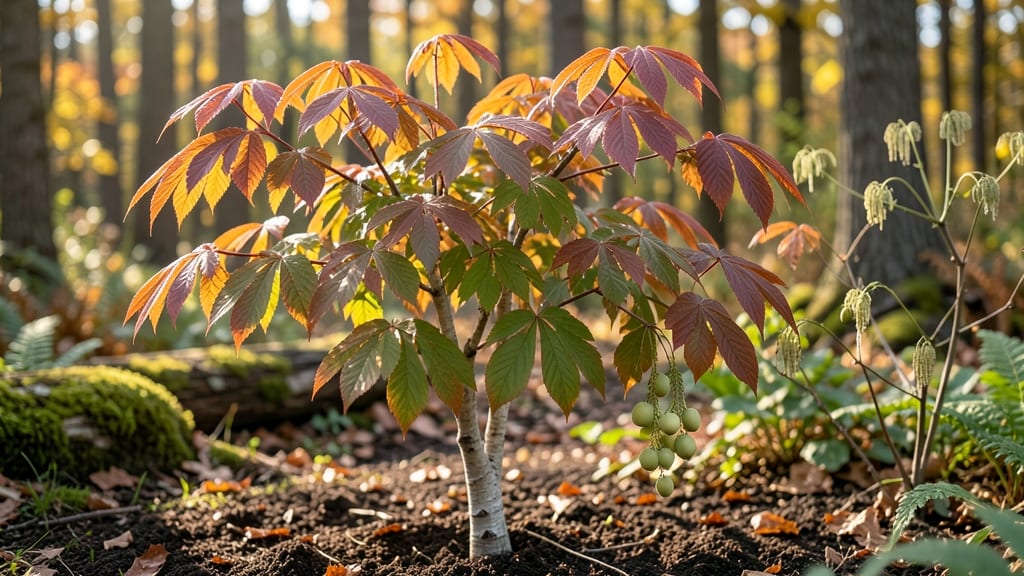
Poison sumac tree bark contains toxic urushiol oil, which causes severe skin irritation, rashes, and blisters upon contact. Identify it by its smooth gray bark, red stems, and compound leaves with 7-13 toothed leaflets—avoid touching or burning the plant.
This toxic plant releases urushiol—the same irritant found in poison ivy—through its bark, leaves, and stems. 🌿 The oil can linger in the air for months after the plant dies, so even old growth poses risks.
I’ve seen cases where people mistook sumac for harmless shrubs during hikes, only to develop painful reactions days later. The key is learning its distinct features: the smooth gray bark, paired with bright red stems and those signature 7-13 leaflets arranged like a feather.
What makes identification tricky is how poison sumac mimics other sumac species, which are completely safe. The difference lies in the leaf structure and stem color—harmless sumac has 11-41 leaflets and brown stems. Always double-check before getting close, especially in wet areas where this plant thrives.
💡 In This Article
- How to Identify Poison Sumac Bark and Leaves
- Safety Measures When Encountering Poison Sumac
How to identify poison sumac bark and leaves
The poison sumac's bark is its first warning sign—a smooth, gray surface that often develops vertical streaks as the tree matures. Unlike the rough, scaly bark of many trees, poison sumac's trunk feels almost silky to the touch, which helps distinguish it from harmless sumac species.
The bark's color can vary slightly with age, but it never develops the deep ridges or fissures seen in older, non-toxic trees. 🌳 What's less obvious is how this bark continues producing urushiol even when the tree is dead, making old stumps and fallen branches equally dangerous.
One of the most reliable identification markers is the bright red stems that appear where leaves meet the branches. These stems remain vivid year-round, even in winter, and contrast sharply against the gray bark.
The leaves themselves are compound with 7-13 leaflets arranged in pairs along a central stem, ending with a single leaflet at the tip—a pattern that looks like a feather when viewed from above.
Each leaflet has saw-toothed edges and grows 4-8 inches long, making the entire leaf resemble a delicate, elongated fan. In spring, the leaves emerge bright green, while in fall they turn a rusty red before dropping.
Seasonal changes can make identification tricky, especially in winter when leaves are absent. The bark remains the most reliable feature during this time, though you might notice small buds forming along the branches.
What most people overlook is how poison sumac often grows in swamps or wet areas, where its roots can thrive in standing water.
This habitat preference explains why hikers and campers frequently encounter it unexpectedly near water sources. 💧 The plant's tendency to grow in dense clusters also makes it easier to spot from a distance once you know what to look for.
Comparing poison sumac to its harmless cousins is crucial for accurate identification. Staghorn sumac, for example, has 11-41 leaflets per compound leaf and brown stems, while poison sumac never exceeds 13 leaflets.
The leaf arrangement also differs—harmless sumac leaves grow in a more rounded shape, resembling a bird's foot rather than a feather. Another key difference is the berries: poison sumac produces white to pale green berries in clusters, while safe sumac species bear red berries.
These distinctions become especially important when distinguishing between young plants before their full characteristics develop.
Light plays a surprising role in identification. When viewed from below, poison sumac leaves appear almost translucent due to their thin, delicate structure.
This transparency lets sunlight filter through, creating a subtle glow that's visible in shaded areas. 🌿 The plant's preference for wet environments also means it often grows alongside other moisture-loving species, which can make it harder to spot among dense vegetation.
However, the combination of red stems, gray bark, and feather-like leaves creates a visual signature that becomes instantly recognizable with practice.
For those who work outdoors, developing a "mental checklist" helps prevent misidentification. Start by scanning for red stems—this immediately narrows down the possibilities. Then check the leaf structure: count the leaflets and note their arrangement. Finally, examine the bark texture and overall growth pattern.
What's often overlooked is how poison sumac's leaves grow directly opposite each other along the stem, creating a symmetrical pattern that's absent in most harmless plants. This attention to detail can prevent painful encounters with one of nature's most persistent toxins.