
Pruning
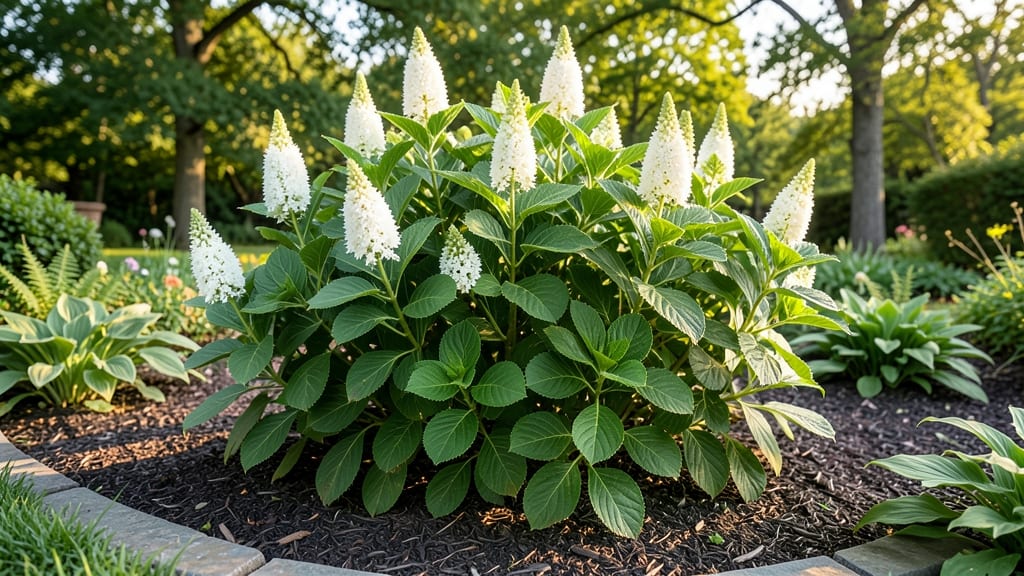
That tree pee gee hydrangea blooms like crazy every summer—10-foot-tall cascades of white that turn pink in fall—because I prune it the right way. ✨ The secret isn’t cutting back less; it’s timing the cuts to encourage those dramatic, long-lasting flower panicles that make this shrub a garden showstopper.
This isn’t your average hydrangea. The Pee Gee thrives in full sun (unlike its mophead cousins) and handles heat and humidity like a champ. Plant it in well-draining soil, water it deeply once established, and feed it a balanced fertilizer in spring.
The real magic happens when you prune: late winter or early spring before new growth appears, cutting back old stems to just above a strong bud.
What you end up with is a towering, disease-resistant shrub that blooms from midsummer through fall. The flowers start white and fade to blush pink, attracting bees and butterflies while giving your landscape vertical drama. No more hiding this shrub in the back—it deserves center stage.
Works in zones 4-8, handles urban pollution, and even tolerates wet soil better than most hydrangeas. Here’s how to keep yours looking its best year after year—without the guesswork that leads to bare stems and missed blooms.
📚 In This Guide
- What you need
- Instructions
- Tips and common mistakes
- Wrapping up and next steps
What you need
- ● Pruning shears – Bypass pruners (sharp, 5-7 inch blades) for clean cuts on smaller stems.
- ● Loppers – 8-10 inch for thicker branches (up to 2 inches in diameter).
- ○ Hand saw – Pruning saw with a curved blade for stubborn, woody stems (optional but helpful for mature trees).
- ● Rubbing alcohol (70% or higher) – Small bottle (for sterilizing tools between cuts).
- ● Gloves – Heavy-duty gardening gloves (to protect from thorns and sharp edges).
- ○ Disposable pruning bags or bucket – For collecting debris (optional but keeps your workspace tidy!).
- ● Hose or water spray bottle – For rinsing tools and cleaning cuts (prevents disease spread).
- ● Safety glasses – Protect your eyes from debris (especially when working with loppers/saws).
- ● Sturdy ladder or step stool – If your hydrangea is taller than 6 feet (prioritize stability!).
- ● Weather check – Choose a dry, overcast day (avoid pruning in extreme heat or wet conditions).
- ○ Map of your hydrangea’s structure – Sketch or take photos before pruning to guide cuts (optional but helpful for beginners!).
How to prune Pee Gee tree hydrangeas for maximum blooms
Here's the simple, foolproof method I use every year—no guesswork, just lush, long-lasting flowers.
✂️ Step 1: Identify the Right Time to Prune
Pee Gee hydrangeas bloom on new wood, so timing is everything. Wait until late winter or early spring—after the last frost but before buds swell. You'll see tight, brown buds forming along the stems; that's your signal to start. Pruning too early risks frost damage, while waiting too long means sacrificing next year's blooms.
If you missed the window, prune in early spring as soon as the ground thaws. Just avoid pruning in fall or winter—you'll cut off next year's flower buds before they form. I always mark my calendar with the last frost date and schedule pruning for 2-3 weeks after.
✂️ Step 2: Gather the Right Tools and Safety Gear
Use clean, sharp pruning shears—dull blades tear stems and invite disease. I disinfect mine with rubbing alcohol between cuts to prevent spreading any hidden pathogens. You'll also need gloves (hydrangeas can have thorns) and loppers for thicker branches over ½ inch in diameter.
Wear long sleeves and pants—hydrangeas have sharp edges, and the sap can irritate skin. Lay down mulch or cardboard around the base to catch fallen debris and make cleanup easier. I always prune on a dry, overcast day—wet wood splinters, and bright sun makes the work harder.
✂️ Step 3: Remove Dead, Weak, or Crossing Branches First
Start by cutting out any dead, diseased, or damaged wood—look for brown, brittle stems or branches with peeling bark. These won’t produce flowers and can harbor pests. Next, remove weak or spindly growth—these are the thin, pale stems that never thicken. You’ll also spot crossing branches rubbing against each other; these create wounds that invite rot.
Make your cuts just above a leaf node or outward-facing bud—this encourages growth in the right direction. If you’re unsure which way is "outward," imagine the branch growing away from the center of the plant. I always step back after each cut to check the shape—you want an open, vase-like structure to let air and light circulate.
✂️ Step 4: Thin Out Overcrowded Areas for Better Airflow
Pee Gee hydrangeas grow fast, and dense foliage traps moisture, leading to powdery mildew or botrytis blight. Look for areas where branches grow too close together—within 6 inches of each other—and remove one of the competing stems. Aim to leave 4-6 main branches per plant, spaced evenly around the center.
Focus on removing the oldest stems first—they produce fewer blooms and take up space. You’ll know you’re thinning correctly when you can see light through the center of the plant. Avoid cutting back more than ⅓ of the plant’s total growth in one year; drastic pruning stresses hydrangeas and can reduce flowering.
✂️ Step 5: Shape the Plant for Balanced Growth
Step back and visualize the plant’s natural shape—Pee Gee hydrangeas grow upright but rounded. Use your shears to shorten the longest branches by ⅓ to ½ their length, cutting just above a strong outward-facing bud. This keeps the plant compact and bushy while encouraging new growth from the base.
For a taller, more formal look, prune the lower branches slightly more aggressively. If you prefer a fuller, bushier shape, focus on trimming the top third of the plant. Avoid shearing (cutting evenly all around)—this creates a "haircut" look that weakens the plant. Instead, prune selectively to maintain a natural, layered silhouette.
💧 Step 6: Clean Up and Fertilize for Recovery
After pruning, remove all debris from the base of the plant and disinfect your tools again. Rake the area to reduce mulch buildup around the trunk, which can cause rot. Now’s the time to add a balanced fertilizer (like 10-10-10)—sprinkle it 6 inches from the base and water it in well. This gives the plant a nutrient boost to recover and prepare for spring growth.
Water deeply after fertilizing to help roots absorb nutrients. You’ll see new green shoots emerging within 2-3 weeks—that’s your sign the pruning worked. Keep the soil evenly moist but not soggy for the next month, and avoid heavy pruning again until next winter. With this method, your Pee Gee hydrangea will reward you with larger, longer-lasting blooms every season.
Tips & tricks for pruning Pee Gee tree hydrangeas
Here's what nobody tells you about pruning these beauties—these tricks make all the difference between a decent trim and showstopping blooms.
Timing is Everything: That "2-3 weeks after last frost" window is critical, but don't stress if you miss it. If you prune too early, you risk frost damage to new growth. If you wait too late, you'll cut off next year's flower buds. I've found that checking for those tight brown buds is more reliable than dates—once they're forming, it's time to prune. Confession: I skipped this step for years and wondered why my blooms never lived up to their potential.
Tool Prep Makes the Difference: Your pruning shears are like your kitchen knives—dull tools cause more harm than good. Before you start, sharpen your blades and disinfect them with rubbing alcohol. I also like to oil my shears after each use to keep them in top shape for next year. Don't forget to wear gloves; those thorns pack a punch, and the sap can irritate sensitive skin. Between us, I've learned this the hard way after getting pricked more times than I can count!
Visualize Your Cuts: When making cuts, always aim just above an outward-facing bud. This simple technique encourages growth in the direction you want. I like to imagine drawing a line from the bud outward—your cut should be just above that line. For the ⅓ to ½ reduction in Step 5, I find it helpful to mentally divide the branch into thirds before cutting. This keeps your pruning consistent and prevents over-trimming.
Post-Pruning Care is Key: After you've finished shaping, don't just walk away! Rake up all the debris from the base and disinfect your tools again. I've seen too many gardeners skip this step and end up with fungal issues later. The 10-10-10 fertilizer application is your plant's jumpstart for new growth—think of it as giving your hydrangea a post-workout protein shake. And that deep watering? It's non-negotiable for helping roots absorb those nutrients properly.
Pro Tips for Pee Gee Tree Hydrangea
- Here's what nobody tells you about pruning these beauties—these tricks make all the difference between a decent trim and showstopping blooms.
- Timing is Everything: That "2-3 weeks after last frost" window is critical, but don't stress if you miss it.
- Tool Prep Makes the Difference: Your pruning shears are like your kitchen knives—dull tools cause more harm than good.
Frequently asked questions
Got questions about keeping your Pee Gee Tree Hydrangea thriving with the perfect pruning touch? Here are some of the most common ones—and their answers!
When is the best time to prune my Pee Gee Tree Hydrangea?
The ideal time to prune is late winter or early spring (February–March), before new growth starts. Avoid pruning in fall or winter, as cold stress can harm the plant. If you must shape it lightly, do so after blooming (summer/early fall) to maintain its form without sacrificing next year’s flowers.
How much can I cut back my Pee Gee Tree Hydrangea?
These hydrangeas are hardy and resilient—you can prune up to ⅓ of the plant’s height without stressing it. For rejuvenation, cut back old wood by ⅔ in late winter. Just avoid over-pruning; Pee Gee blooms on new wood, so leave some stems for next year’s growth!
My hydrangea isn’t blooming—did I prune it wrong?
If your Pee Gee skips blooms, it’s likely due to pruning at the wrong time (e.g., cutting back after summer blooms). Since it flowers on new growth, prune before spring shoots emerge. Also, ensure it gets full sun (6+ hours) and well-draining soil—poor conditions can stunt flowering too!
Can I grow Pee Gee Tree Hydrangea in containers?
Yes! These hydrangeas adapt well to large containers (15+ gallons) with drainage holes. Use a balanced, acidic pH soil mix (like peat-based) and repot every 2–3 years. Just remember: Container-grown plants need more frequent watering and may bloom slightly less than in-ground varieties.
How do I encourage bigger, fuller blooms?
For showstopping blooms, focus on these tips:
- Prune strategically: Cut back old stems by ⅔ in late winter to promote new, vigorous growth.
- Feed it right: Use a balanced fertilizer (10-10-10) in early spring, then switch to an acidic, bloom-boosting formula (like for azaleas) in summer.
- Water deeply: Keep soil consistently moist (but not soggy) during blooming season.
- Deadhead spent blooms: Snip off faded flowers in late summer to redirect energy to next year’s buds.
Wrapping up and next steps
Ready to transform your Pee Gee Tree Hydrangea into a vibrant, blooming beauty? With the right tools, timing, and techniques, you can enjoy lush, long-lasting flowers year after year. 🌸 Pruning might seem intimidating, but breaking it down into simple steps makes it manageable—and rewarding!
Now that you’re armed with expert tips and FAQs, take the next step: grab your pruners and schedule your first pruning session this spring. Your hydrangea will thank you with bold, healthy blooms that steal the show!