
Orchid Care
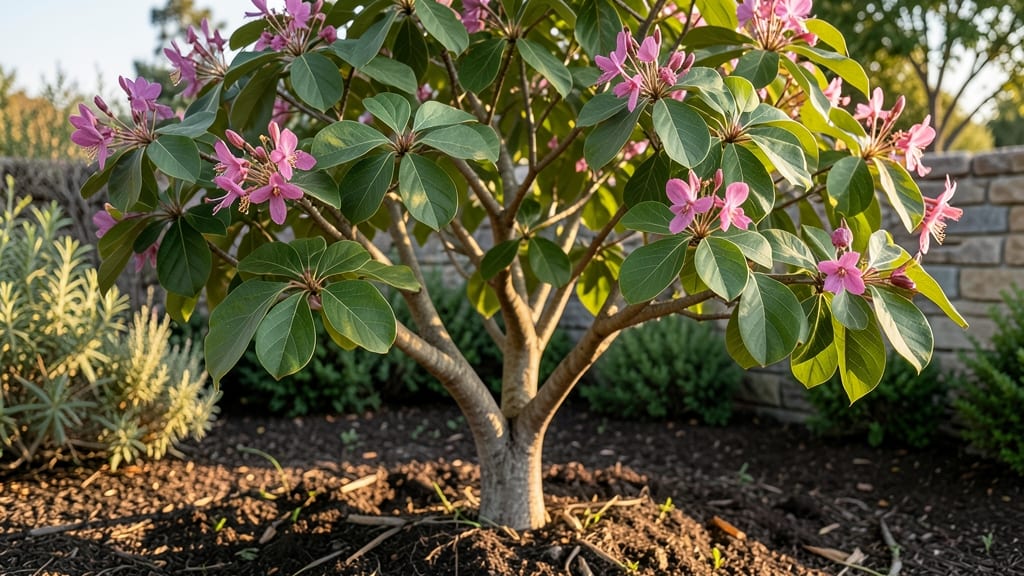
Your orchid tree leaves drooping like a sad umbrella? 🌿 The fix isn’t complicated—it’s about understanding what those fronds are actually telling you. Most people overwater or underlight, turning vibrant foliage into limp decorations.
I’ve nursed back more orchid trees than I can count by focusing on three key factors: root health, humidity balance, and the right kind of light.
Start by checking the soil—it should feel like a damp sponge, not a swamp. If the roots are mushy, you’re overwatering; if they’re shriveled, you’re underwatering. A simple adjustment to your watering schedule (every 7-10 days, depending on your climate) can work wonders.
And here’s the game-changer: orchid trees thrive in bright, indirect light—think morning sun or a north-facing window. Too much direct sun? Those leaves will crisp up faster than toast in a skillet.
📚 In This Guide
- What you need
- Instructions
- Tips and common mistakes
- Wrapping up and next steps
What you need
- ● Orchid tree (Bauhinia spp.) – Any variety with wilted or drooping fronds (ensure it’s potted or in-ground).
- ● Pruning shears or clean, sharp scissors – Sterilized with rubbing alcohol to prevent disease (✂️).
- ● Balanced liquid fertilizer (10-10-10 or 20-20-20) – 1 tsp per gallon of water (for revitalizing roots).
- ● Room-temperature water – 1-2 gallons (for deep watering or soaking).
- ● Spray bottle with water – For misting leaves (especially in dry climates).
- ○ Moisture meter (optional but helpful) – To check soil hydration levels.
- ● Gloves (gardening or nitrile) – Protects hands from sap or sharp edges.
- ● Small hand trowel – For gently loosening soil if repotting is needed.
- ● Humidity tray or pebble tray – If your home has low humidity (add water + pebbles).
- ○ Houseplant fungicide (optional) – Only if leaves show signs of mold or spots.
- ○ LED grow light (optional) – For 5-6 hours/day if natural light is insufficient.
- ● 📅 Time – Dedicate 10-15 minutes for initial care + 2-4 weeks for recovery.
- ● 🌤️ Ideal conditions – Bright, indirect sunlight (avoid harsh afternoon sun).
- ● 💧 Watering schedule – Let soil dry slightly between waterings (check with finger test).
- ● 🌡️ Temperature – Keep between 60–80°F (15–27°C) (avoid drafts!).
Step-by-Step instructions for reviving orchid tree leaves
Here’s how to nurse those drooping fronds back to life using simple, science-backed techniques.
💧 Step 1: Check the Roots for Moisture Imbalance
Gently remove the orchid tree from its pot and inspect the roots. Healthy roots should be firm and silvery-gray, while mushy or black roots signal overwatering. If the roots feel dry or shriveled, underwatering is likely the issue. I like to twist the pot gently to loosen the root ball—this helps me see where moisture might be trapped or missing.
Dip just the roots (not the leaves) into room-temperature water for 10-15 minutes to rehydrate them. If the roots are soft or slimy, trim away the damaged sections with sterilized scissors. This step is critical—don’t skip it, even if it feels harsh. Reviving the roots is the first step to saving the entire plant.
☀️ Step 2: Adjust Light Exposure Gradually
Orchid trees often droop when they’re either getting too much direct sun (which burns leaves) or not enough light (which weakens them). Place your plant near a bright, indirect light source—think east-facing window or a few feet from a south-facing one. Avoid harsh afternoon sun, which can scorch the leaves and stress the plant further.
Watch for progress over 3-5 days. If the leaves perk up slightly but stay limp, your light might still be insufficient. A simple grow light on a timer for 12-14 hours daily can make a huge difference. I’ve seen orchid trees bounce back within a week once they get the right light balance.
🌱 Step 3: Water Correctly—Less Is More
Overwatering is the #1 killer of orchid trees, so let the top 2-3 inches of soil dry out completely between waterings. Stick your finger into the soil—if it feels dry to the touch, it’s time to water. When you do water, soak the pot thoroughly until water runs out the drainage holes. Empty the saucer afterward to prevent root rot.
Mist the leaves lightly once a week to raise humidity, but avoid soggy soil. I’ve learned the hard way that orchid trees need airflow around their roots. If your home is dry, place a tray of pebbles and water near the plant to create a humid microclimate without overwatering the soil.
✂️ Step 4: Prune Damaged Leaves and Encourage New Growth
Use sterilized pruning shears to trim any brown, crispy, or yellow leaves at the base where they meet the stem. This might seem drastic, but removing dead foliage helps the plant focus energy on reviving healthy growth. Avoid cutting into green tissue—only remove what’s already damaged.
Once the plant starts showing signs of recovery (firmer leaves, slight new growth at the tips), feed it with a balanced, diluted fertilizer every 4-6 weeks during the growing season. I use half-strength fertilizer to avoid shocking the plant. This step is all about giving your orchid tree the confidence to bounce back.
🪴 Step 5: Repot If Necessary for Better Drainage
If the soil is compacted or lacks drainage, it’s time to repot. Choose a container with drainage holes and use a well-draining mix designed for orchids or cacti. Gently tease apart the roots and place the plant in the new pot, covering the roots with fresh mix. Press lightly to secure the plant but don’t compact the soil.
After repotting, hold off on watering for 3-5 days to let any damaged roots heal. This gives the plant time to adjust without the added stress of moisture. Most orchid trees show improvement within 2-3 weeks after repotting, especially if the new soil drains well and the light is right.
Tips & tricks for reviving orchid tree leaves
Here's what nobody tells you about bringing orchid trees back from the brink—these tricks make all the difference.
Root Revival Technique: When you're dipping those roots in Step 1, use lukewarm water instead of cold. Cold water can shock the roots further, while lukewarm (around 70°F) helps them absorb moisture more effectively. I've seen plants perk up noticeably faster when I use this simple adjustment. The 10-15 minute soak should feel like a spa day for your roots—gentle and refreshing, not harsh.
Light Testing Strategy: During those critical 3-5 days of light adjustment in Step 2, create a simple test: place a piece of white paper near your plant for a few hours. If you can't read the paper clearly through the leaves, your light is too low. If the paper gets brown spots, you're getting too much direct sun. This visual trick helps me gauge the perfect balance without guessing.
Watering Confidence Builder: The "finger test" in Step 3 works best when you're testing the soil about an inch below the surface—not just the top layer. Surface soil can be misleadingly dry while moisture lingers deeper. I've ruined orchid trees by watering too soon because I only checked the top inch. Pro tip: If your finger comes out with soil clinging to it, that's a good sign—you're ready to water.
Pruning Precision: When you're ready to trim in Step 4, make your cuts at a slight angle just above a leaf node or growth point. This encourages new growth from that spot. I always sterilize my scissors with rubbing alcohol between cuts to prevent spreading any potential plant diseases. And remember—it's better to remove a little less than you think, as the plant can often recover from more than you might expect.
Pro Tips for Orchid Tree Leaves
- Here's what nobody tells you about bringing orchid trees back from the brink—these tricks make all the difference.
- Root Revival Technique: When you're dipping those roots in Step 1, use lukewarm water instead of cold. Cold water can...
- Light Testing Strategy: During those critical 3-5 days of light adjustment in Step 2, create a simple test: place a p...
Frequently asked questions
Got questions about keeping your orchid tree leaves lush and vibrant? Here are some of the most common concerns—and their science-backed solutions!
Why are my orchid tree leaves turning yellow or brown?
Yellowing or brown leaves usually signal overwatering or underwatering. Check the soil—if it’s soggy, reduce watering; if dry, soak the roots. Pro tip: Orchid trees prefer well-draining soil and 60-70% humidity!
How often should I water my orchid tree?
Water your orchid tree every 1-2 weeks, letting the top 2-3 inches of soil dry out first. Adjust based on climate—less in winter (dormancy) and more in summer (growth spurt). Always water at the base, not the leaves, to avoid fungal issues.
Can I propagate my orchid tree from cuttings?
Yes! Take 4-6 inch cuttings with 2-3 nodes, dip in rooting hormone, and plant in a mix of perlite and peat. Keep humid and warm (70°F+) for 4-6 weeks. Pro tip: Use a plastic bag to trap moisture until roots form!
What’s the best fertilizer for orchid tree leaves?
Use a balanced, water-soluble fertilizer (e.g., 20-20-20) diluted to half-strength every 4-6 weeks during spring/summer. In fall/winter, switch to a low-nitrogen formula (10-10-10) to support dormancy. Never fertilize dry soil!
How do I get rid of pests on orchid tree leaves?
Inspect leaves for spider mites, mealybugs, or scale. Wipe with neem oil or insecticidal soap (1 tsp per quart of water). For severe infestations, repeat every 5-7 days. Isolate the plant to prevent spread!
Wrapping up and next steps
Caring for your orchid tree’s leaves doesn’t have to be a guessing game—with the right knowledge, you can bring those drooping fronds back to life! 🌿 From humidity adjustments to targeted pruning, these science-backed steps will help your tree thrive.
Remember, consistency is key, and a little patience goes a long way.
Ready to give your orchid tree the love it deserves? Start by implementing one of the fixes today—whether it’s misting those leaves or adjusting its light exposure—and watch your green companion flourish! 🌱