
Propagation
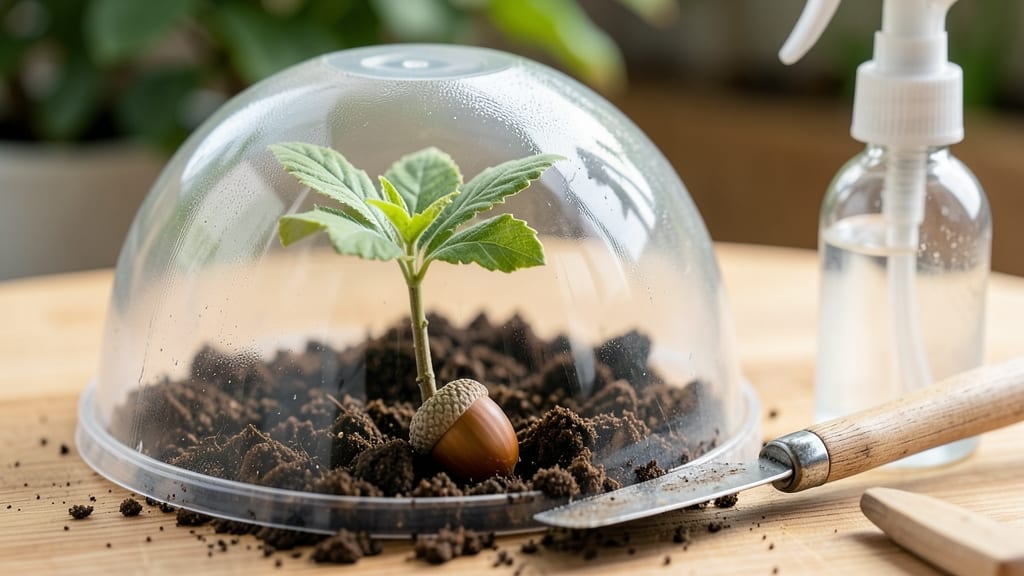
Breaking the dormancy of oak tree seed germination reliably starts with a cold-moist cure—the secret to breaking their stubborn dormancy. 🌱 I’ve struggled with acorns sprouting for years, but this method finally cracked the code: soak them in water for 3-4 days, then refrigerate them in damp sand for 60-90 days.
The patience pays off with strong, healthy seedlings ready for planting. You’ll need acorns from mature oaks (preferably fresh), a breathable container, and a mix of sand and peat moss. The key is keeping everything consistently moist—not soggy, just damp—while mimicking winter’s natural chilling period.
This mimics how acorns would germinate in the wild after falling to the forest floor. Once sprouted, transplant them into well-draining soil in late spring, when frost is no longer a threat. The first leaves might take weeks, but once they appear, growth accelerates.
By summer’s end, you’ll have sturdy young oaks ready for their forever home in your yard. This method works best outdoors, where seedlings get natural sunlight and rain. Avoid rushing—oaks are slow starters, but their reward is a century of shade and strength. Let’s get those acorns sprouting!
📚 In This Guide
- What you need
- Instructions
- Tips and common mistakes
- Wrapping up and next steps
What you need
- ● Oak acorns (fresh or stored): Collect at least 10-20 acorns from mature oak trees (preferably white oak or red oak). Ensure they’re plump, firm, and free of cracks or mold.
- ● Well-draining potting mix: Use a sterilized blend of 50% peat moss or coconut coir and 50% perlite or coarse sand (sterilize by baking at 200°F/93°C for 30 minutes). Quantity: ~2-3 cups per batch.
- ● Containers for stratification: Option 1: Two plastic bags (ziplock or re-sealable) with small holes poked in the bottom for drainage.
- ● Option 2: Small plastic pots (3-4 inches wide) with drainage holes.
- ● Water: Use room-temperature, filtered, or distilled water to avoid chlorine or contaminants.
- ● Tweezers or toothpicks: For gently placing acorns in containers (helps avoid damage).
- ● Spray bottle: For misting soil without oversaturating it.
- ● Refrigerator or cold frame: A consistent 35–45°F (2–7°C) space for stratification (a standard fridge works, but avoid the freezer!).
- ○ Heat mat (optional): For warming soil to 70–75°F (21–24°C) after stratification to encourage germination.
- ● Grow lights or sunny windowsill: Once sprouted, seedlings need 12–14 hours of light daily.
- ● Label markers: To track planting dates and varieties (trust us, it’s easy to forget!).
Step-by-step instructions for germinating oak tree seeds
Here's how to break dormancy and get those stubborn acorns sprouting reliably.
🌱 Step 1: Collect and Prepare Fresh Acorns
Harvest acorns in fall when they've fallen naturally—they'll have higher viability than those still on the tree. Remove any that show signs of insect damage or mold. I like to soak them in lukewarm water for 24 hours first to soften the hard shell and remove any surface debris.
After soaking, gently rub the acorns between your hands to remove the outer cap. Don't worry if some shell remains—it protects the seed during stratification. The key here is working with fresh, undamaged acorns. You'll know they're ready when they sink to the bottom of your soaking container, indicating good density and viability.
💧 Step 2: Perform the Cold-Moist Stratification
Place the prepared acorns in a plastic bag with a small amount of damp peat moss or vermiculite. Seal the bag but leave it slightly open to allow airflow—you want moisture but not rot. Store the bag in your refrigerator's crisp drawer where temperatures stay between 35-45°F.
Check the bag every 2-3 weeks to ensure the moss remains moist but not soggy. You'll see the acorns begin to sprout after 6-12 weeks of stratification. This cold treatment mimics winter conditions and breaks the seed's natural dormancy. If you notice any mold developing, remove those acorns immediately and replace the moss with fresh, damp material.
☀️ Step 3: Plant Stratified Acorns in Growing Medium
Once you see white roots emerging from the acorns (usually after 8-12 weeks), it's time to plant. Fill small pots with a mix of 50% potting soil and 50% perlite for excellent drainage. Plant each acorn 1 inch deep, leaving the root end facing downward.
Water gently until the soil is moist but not waterlogged. Place the pots in a warm, sunny location with indirect light—direct sun can overheat the young seedlings. You'll notice the first true leaves appear in 4-6 weeks after planting. Keep the soil consistently moist during this period, as oak seedlings are particularly sensitive to drying out.
🌿 Step 4: Transplant Seedlings to Outdoor Nursery Beds
When seedlings reach 6-8 inches tall and have developed 3-4 sets of leaves, they're ready for their first outdoor move. Choose a partially shaded spot in your garden with well-draining soil. Dig holes slightly larger than the root ball and space them 3 feet apart to allow room for growth.
Transplant on a cool, overcast day to reduce stress on the seedlings. Water thoroughly after planting to settle the soil around the roots. Mulch with 2-3 inches of organic matter to retain moisture and protect the young plants. Oak seedlings grow slowly, so be patient—you won't see significant height gains for the first year, but proper care now ensures strong root development for future growth.
⏰ Step 5: Maintain Seedlings Through First Growing Season
Keep the soil consistently moist but never waterlogged—oaks hate soggy roots. Water deeply once a week unless you've had significant rainfall, and always water at the base of the plant to prevent fungal diseases. Fertilize lightly with a balanced organic fertilizer in early spring and again in midsummer, using half the recommended strength.
Watch for signs of stress like yellowing leaves or stunted growth, which often indicate overwatering or poor drainage. If you notice any pests, treat immediately with horticultural oil or insecticidal soap. By the end of the first growing season, your seedlings should be sturdy enough to handle winter outdoors, though you may want to protect them with a thick layer of mulch during their first few winters.
Tips & tricks for perfect oak tree seed germination
Here's what nobody tells you about breaking dormancy—these tricks make all the difference between success and frustration.
Acorn Selection Matters: Focus on acorns from mature oak trees (at least 20 years old) for higher viability. Look for plump, round acorns with smooth shells—these are your best candidates. I've found that acorns with a slight "cap" (the pointed end) tend to germinate more reliably than perfectly symmetrical ones. If you're unsure about an acorn's viability, do the sink test: healthy acorns will sink in water, while hollow or damaged ones will float. This simple check saves hours of wasted effort later.
Stratification Temperature Secrets: While the 35-45°F range works, I've had the most success keeping my bags at the cooler end (around 38°F) for stubborn acorns. Use a refrigerator thermometer to monitor temperatures—some fridges have hot spots. If your fridge runs warmer than 45°F, consider using a seed stratification fridge or even a basement with consistent cool temperatures. The key is consistency: temperature fluctuations can confuse the seed and delay germination.
Moisture Management: The damp peat moss or vermiculite should feel like a wrung-out sponge—not dripping wet, but not bone dry either. I like to use a spray bottle to mist the moss every few days rather than soaking it, which prevents waterlogging. You'll know you've got the right moisture level when condensation forms on the inside of the bag but disappears within a few hours. Too much moisture leads to mold, while too little can dry out the acorns before they germinate.
Transplant Timing: Wait until you see white roots that are at least 1/4 inch long before planting—this ensures the seedling has already begun active growth. I've made the mistake of planting too early when only a tiny rootlet appeared, and those seedlings often fail to thrive. When transplanting, handle the seedlings by their leaves, not the stems, to avoid damaging the delicate root system. The first true leaves will appear in 4-6 weeks, but don't rush this process—patience is crucial for oak seedlings.
Pro Tips for Oak Tree Seed Germination
- Here's what nobody tells you about breaking dormancy—these tricks make all the difference between success and frustra...
- Acorn Selection Matters: Focus on acorns from mature oak trees (at least 20 years old) for higher viability. Look for...
- Stratification Temperature Secrets: While the 35-45°F range works, I've had the most success keeping my bags at the c...
Frequently asked questions
Got questions about germinating oak tree seeds? You’re not alone—this process can feel tricky! Here are answers to the most common queries to help you succeed.
How long does it take for oak tree seeds to germinate?
Oak seeds are slow starters! With the cold-moist stratification method, germination can take anywhere from 3 to 6 months—sometimes even longer. Patience is key, as some seeds may not sprout until the following spring. Keep them consistently moist and in a cool (35–45°F) environment during this time.
Do I need to scarify oak seeds before planting?
Scarification (nick or sandpaper rub) isn’t always required, but it can speed up germination for thick-shelled acorns. Try soaking seeds in warm water for 24–48 hours or gently filing the hard shell. If you skip this step, the cold-moist stratification method will still work—just allow extra time for sprouting.
What’s the best temperature for oak seed stratification?
Aim for a cool but not freezing range of 35–45°F (2–7°C). Too warm (above 50°F) can trigger mold or rot, while temperatures below freezing may kill the embryo. A refrigerator (with a moist paper towel) or a shaded outdoor spot works well. Avoid direct sunlight or heat sources!
Can I germinate oak seeds indoors without stratification?
Indoor germination without stratification is possible but less reliable. Some gardeners use a warm-moist method (70–80°F) for 4–6 weeks, but oak seeds often need that cold period to break dormancy. If you try it, monitor seeds closely for mold and expect lower success rates compared to cold stratification.
Why aren’t my oak seeds sprouting after stratification?
Several factors could be at play:
- Old seeds: Acorns lose viability over time—use fresh ones (current year’s crop).
- Improper moisture: Too dry = dormancy; too wet = rot. Keep the medium damp (not soggy).
- Poor seed quality: Some acorns are sterile. Test a few by cutting them open to check for a firm embryo.
- Insufficient cold exposure: Ensure stratification lasts at least 90 days.
What’s the best soil mix for germinating oak seeds?
Oak seeds thrive in a light, well-draining mix. Use a blend of:
- 50% peat moss or coconut coir (for moisture retention)
- 30% perlite or sand (for aeration)
- 20% vermiculite (to prevent compaction)
Wrapping up and next steps
Germinating oak tree seeds with the cold-moist stratification method is a rewarding journey—one that unlocks the potential for strong, healthy saplings. 🌱 By following the right steps, you’re not just growing a tree; you’re nurturing a legacy for future generations.
Now that you’re armed with the knowledge, take the next step: gather your supplies, create your mini greenhouse, and watch those tiny seeds transform into mighty oaks!
🌿 Pro Tip Before You Start
Patience is key—oak seeds can take months to sprout. Track your progress with a journal or photos to stay motivated! Once your seedlings emerge, consider transplanting them into larger pots or directly into the ground (with care) to give them the best start in life.