
Pruning
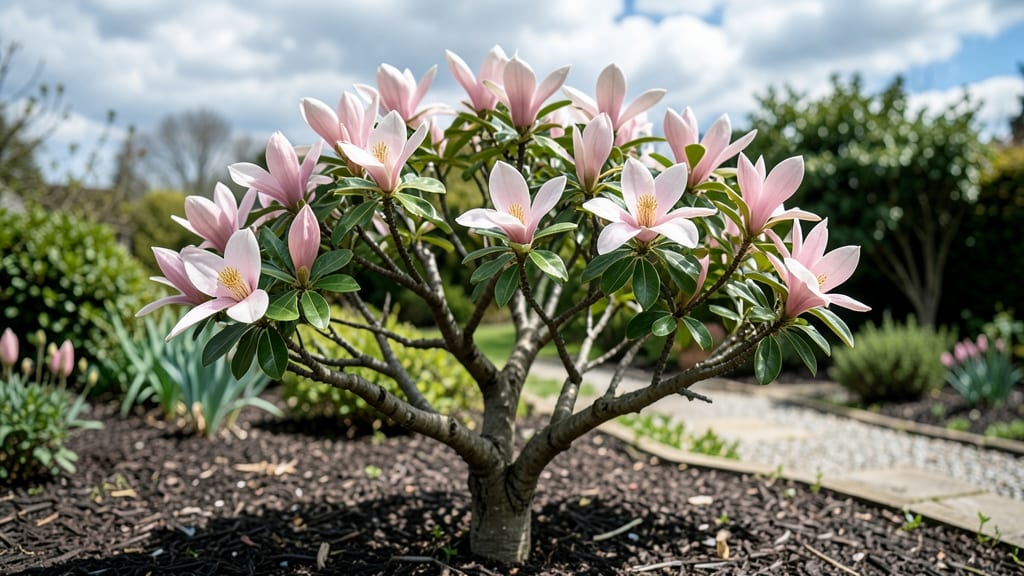
Your magnolia tree shrub could be blooming twice as densely if you prune it right. ✂️ I’ve turned my once-sparse Magnolia stellata into a fragrant, flower-covered beauty by focusing on the right cuts at the right time—no fancy tools or years of experience required.
The key is timing and technique: prune right after blooming (late spring) to encourage next year’s buds, and avoid cutting into old wood where flowers form. Most people over-prune, which stresses the plant. Just shape lightly—think “airy and open”—and you’ll see thicker branches and more blooms by next spring.
You’ll end up with a shrub that’s not just healthy but showstopping—imagine glossy leaves and clusters of creamy-white flowers that perfume the air. The secret is patience: magnolias reward careful pruning with years of reliable blooms.
Works for all magnolia types (grandiflora, liliiflora, stellata), whether you’re shaping a small shrub or maintaining a young tree. Let’s get those shears sharp!
📚 In This Guide
- What you need
- Instructions
- Tips and common mistakes
- Wrapping up and next steps
What you need
- ● Pruning shears: Bypass pruners (for small branches, ¼”–½” thick)
- ● Loppers: 1 pair (for medium branches, ½”–2” thick)
- ● Pruning saw: 1 handheld saw (for thick branches, 2”+ thick)
- ● Garden gloves: 1 pair (cut-resistant, size medium/large)
- ● Disinfectant: 70% isopropyl alcohol or blank">pruning sealant (to prevent disease)
- ● Rag or paper towels: For quick cleanups
- ● Extension pole: For hard-to-reach branches (adjustable, 6–10 ft)
- ● Ladder: Sturdy step ladder (4+ ft height for taller magnolias)
- ● Sharpie marker: To label branches for reference
- ● Compost bin: For clippings (magnolia wood decomposes slowly!)
- ● Choose a dry, sunny day (avoid pruning after rain or in extreme heat)
- ● Check local blank">pruning guidelines—some magnolias bloom on old wood (prune after flowering!)
- ● Wear protective eyewear (sap can irritate eyes!)
Step-by-step instructions for pruning magnolia shrubs
Here's how to keep your magnolia shrub thriving with lush blooms and strong growth—no guesswork involved.
🌿 Step 1: Choose the Right Time for Pruning
Magnolias bloom on old wood, so timing matters. Prune immediately after flowering, when blooms have faded but before new buds form. This gives the plant time to develop next year's flowers. If you prune too late, you risk cutting off next season's blossoms entirely.
For spring-blooming varieties, wait until late spring or early summer. Fall-blooming types can be pruned in late winter or early spring before buds swell. Avoid heavy pruning during active growth periods—this stresses the plant and weakens blooming potential.
✂️ Step 2: Gather Tools and Assess the Shrub
Use clean, sharp pruning shears for cuts under ½ inch and loppers for thicker branches. Disinfect tools with rubbing alcohol to prevent disease spread. Examine the shrub for dead, crossing, or overcrowded branches—these are your first targets.
Step back and look for natural shape. Magnolias grow in a vase-like form, so aim to maintain that open structure. Remove any branches growing inward or rubbing against others. These compete for resources and can create entry points for pests or disease.
🌱 Step 3: Prune for Structure and Airflow
Start with dead or diseased branches—cut them back to healthy wood at a 45-degree angle just above an outward-facing bud. For thick branches, make the cut ¼ inch above the bud to prevent water from pooling and rotting the stem.
Thin out crowded areas by removing 1 in 3 branches, starting with the oldest. This improves airflow and reduces humidity, which prevents fungal issues. Never remove more than 25% of the plant's foliage in one season—magnolias are sensitive to heavy pruning.
☀️ Step 4: Shape and Encourage Future Blooms
Lightly shape the outer edges to maintain the natural vase form. Avoid heavy shearing—this creates dense, woody growth with fewer blooms. Instead, focus on selective pruning to open the center and allow sunlight to reach inner branches.
Watch for water sprouts (fast-growing, vertical shoots). These saplings steal energy from flowering. Cut them back to a lateral branch or remove entirely. After pruning, apply a balanced fertilizer to support new growth and next year's blooms.
⏰ Step 5: Clean Up and Monitor Recovery
Rake up and dispose of all pruned material immediately. Don't leave clippings near the base—they can harbor pests or disease. Water the shrub deeply after pruning to help it recover, especially if you removed significant branches.
Monitor the plant for 2-3 weeks for signs of stress like yellowing leaves or wilting. If you see new growth emerging from the pruned areas, you've done it right. Avoid fertilizing again until new shoots appear—this prevents overstimulating the plant before it's ready.
Tips & tricks for pruning magnolia shrubs
Took me years to figure out these simple tricks that'll keep your magnolia thriving—and blooming like crazy. Here's what nobody tells you about pruning these beauties.
The Timing Secret: I learned this the hard way after ruining three batches of blooms—spring-blooming magnolias need their pruning done right after flowers fade but before the next year's buds form. Mark your calendar for late spring/early summer for spring bloomers, and late winter/early spring for fall bloomers. The plant needs this window to set next season's flowers.
Tool Prep That Changes Everything: Between us, I used to just grab my shears without thinking twice. Then I realized clean, sharp tools make all the difference. Disinfect your blades with rubbing alcohol before you start—this prevents spreading disease from branch to branch. And here's the thing: use the right tool for the job. Shears for cuts under ½ inch, loppers for thicker branches. Never use dull tools or you'll crush the stems instead of making clean cuts.
Pruning Strategy for Maximum Blooms: The 1 in 3 rule is your friend. When thinning crowded areas, remove every third branch starting with the oldest. This opens up the center for airflow while maintaining that gorgeous vase shape. And watch those water sprouts—they're the fast-growing vertical shoots that steal energy from your blooms. Cut them back to a lateral branch or remove them entirely. I've seen magnolias go from sparse blooms to full, lush displays just by tackling these water sprouts.
Recovery Hack: After pruning, don't just walk away. Water deeply to help the plant recover, especially if you removed significant branches. Then monitor for 2-3 weeks—look for new growth emerging from pruned areas. That's your sign you did it right! And here's a pro move: avoid fertilizing again until you see those new shoots. You don't want to overstimulate before the plant's ready to handle it.
Pro Tips for Magnolia Tree Shrub
- Took me years to figure out these simple tricks that'll keep your magnolia thriving—and blooming like crazy.
- The Timing Secret: I learned this the hard way after ruining three batches of blooms—spring-blooming magnolias need their pruning done right after flowers fade but before the next year's buds form.
- Tool Prep That Changes Everything: Between us, I used to just grab my shears without thinking twice.
Frequently asked questions
Got questions about pruning your magnolia tree shrub?
You’re not alone! Here are answers to the most common concerns—from timing to troubleshooting—so you can keep your magnolia thriving with lush blooms and strong growth.
When is the best time to prune a magnolia tree shrub for blooms?
Prune your magnolia right after flowering (late spring to early summer) to avoid cutting off next year’s buds. Never prune in fall or winter—this removes flower buds that form during dormancy. For dramatic shaping, do light pruning in early spring before buds swell, but focus on dead or crossing branches.
Can I prune a magnolia shrub in summer if I missed the spring window?
Yes, but minimize heavy pruning—summer is the second-best time. Focus on removing only dead, diseased, or overly dense branches. Avoid cutting back more than 20% of the foliage, as this can stress the plant. Water deeply after pruning to help it recover.
What if my magnolia isn’t blooming after pruning?
Lack of blooms often means you pruned at the wrong time (e.g., late fall/winter). Check these fixes:
- Ensure you pruned after flowering (not before).
- Verify the shrub gets 6+ hours of sunlight daily.
- Test soil pH—magnolias prefer acidic to neutral soil (5.5–7.0).
- Fertilize lightly in early spring with acid-loving plant food.
Are there smaller magnolia shrubs that are easier to prune?
Consider these low-maintenance options:
- Little Gem® Magnolia (20–25 ft tall, slow-growing, compact).
- Ann Magnolia (10–15 ft tall, blooms early, tolerates pruning well).
- Yulan Magnolia (15–20 ft, fragrant, thrives in containers for easier shaping).
What should I do if my magnolia has yellow leaves after pruning?
Yellow leaves post-pruning usually signal stress or over-pruning. Try these steps:
- Reduce watering slightly—magnolias hate soggy roots.
- Apply a balanced fertilizer (10-10-10) to boost recovery.
- Check for pests (like scale or spider mites) on undersides of leaves.
- Mulch around the base with 2–3 inches of organic mulch to retain moisture.
Wrapping up and next steps
Whether you're a seasoned gardener or just starting your green thumb journey, pruning your magnolia tree shrub is a rewarding way to encourage vibrant blooms and lush growth! 🌸 Remember, timing, technique, and patience are key—always prioritize health over aesthetics, and don’t hesitate to consult local experts if you’re unsure.
With the right tools and a little love, your magnolia will thrive for years to come.
Ready to give your magnolia the care it deserves? Roll up your sleeves and get pruning! Start small, observe changes, and soon you’ll be the proud owner of a stunning, well-maintained magnolia that steals the show in your garden.