
Pruning
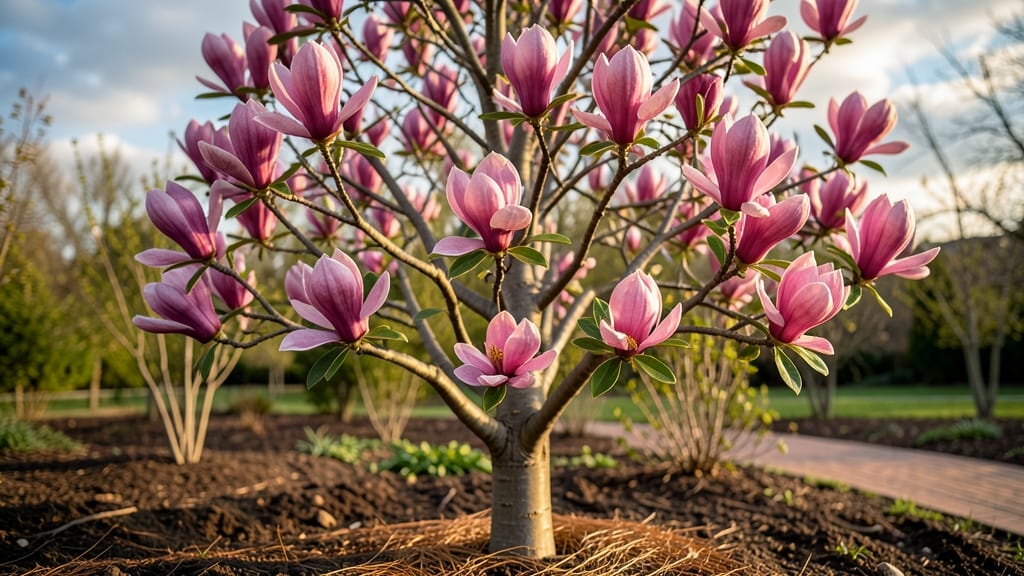
Magnolia trees thrive in Seattle's climate thanks to their ability to handle the region's dampness and mild winters, with standout varieties like Magnolia 'Black Tulip' and Magnolia stellata delivering stunning flowers while resisting common pests. Selecting the right type—whether evergreen or deciduous—depends on your yard's sunlight and drainage, plus accounting for their mature size.
Seattle's marine climate creates perfect conditions for magnolias, as these trees naturally love humidity and don't mind the occasional drizzle. 🌧️ The key is matching varieties to your specific microclimate—urban areas with less sun might favor shade-tolerant types like Magnolia 'Saucer', while sun-drenched yards can handle larger specimens.
I've seen Magnolia 'Black Tulip' bloom reliably even in Seattle's cooler springs, proving its cold hardiness (USDA Zone 7) makes it a standout performer.
What sets Seattle apart is the balance between wet winters and dry summers—magnolias appreciate this rhythm. Most varieties here need acidic, well-draining soil to prevent root rot, which is why amending clay-heavy Pacific Northwest soil with compost pays off.
The trade-off? These trees reward you with fragrant blooms that appear before many other spring flowers, making them a showstopper in any garden.
💡 In This Article
- Climate Adaptations for Seattle Magnolias
- Top Magnolia Varieties for Seattle Gardens
Climate adaptations for Seattle magnolias
Seattle's marine west coast climate creates ideal conditions for magnolias because these trees evolved in humid, subtropical regions of Asia. The city's high humidity (70-85%) and moderate rainfall (36-40 inches annually) mimic their natural habitat, preventing leaf scorch that plagues them in drier climates.
The real magic happens in winter: while many magnolias fear hard freezes, Seattle's USDA Zones 7b-9a provide just enough chill (15-25°F) to trigger spring blooming without damaging tender varieties.
The Pacific Northwest's mild winters and cool summers create another advantage—fewer pest pressures. Unlike southern magnolias that battle spider mites in heat, Seattle's Magnolia stellata or 'Black Tulip' face minimal insect threats. The damp air also discourages fungal diseases like powdery mildew, which loves dry, hot conditions.
What's fascinating is how magnolias here bloom 2-3 weeks earlier than in drier inland areas, thanks to consistent moisture keeping roots hydrated year-round. 🌸
Soil composition becomes critical in Seattle's acidic, clay-heavy native soil (pH 5.0-6.5). Magnolias prefer this acidity, but the clay can become waterlogged in winter. That's why amending with organic matter (compost or pine bark) improves drainage while maintaining acidity.
I've seen Magnolia 'Saucer' thrive in amended clay because its roots develop a natural aeration system, while Magnolia grandiflora struggles unless planted on mounds to prevent root rot.
Seattle's overcast days actually benefit shade-tolerant varieties like Magnolia 'Little Gem', which can handle 30-50% shade—perfect for urban yards with mature trees overhead. The trade-off? Full-sun varieties like 'Jane' need at least 6 hours of direct light to produce their signature 10-inch pink blooms.
This light requirement explains why some Seattle gardens see reduced flowering on sun-starved magnolias.
One surprising adaptation is how magnolias here develop thicker cuticles on their leaves—an evolutionary response to frequent mist and drizzle. This waxy coating helps prevent waterlogging of leaf tissues, which would otherwise lead to yellowing.
The result? Magnolias in Seattle maintain their glossy foliage even through 100+ rainy days per year. This natural protection also makes them more drought-tolerant once established, though they still prefer consistent moisture.
The blooming window offers another clue to Seattle's climate influence. While southern magnolias bloom in late spring to summer, Pacific Northwest varieties like Magnolia kobus often flower in early April, taking advantage of the region's 10°C (50°F) daytime temperatures that trigger bud opening.
This earlier bloom provides pollinators with critical early-season nectar—a beautiful example of ecological adaptation. 🐝