
Pruning
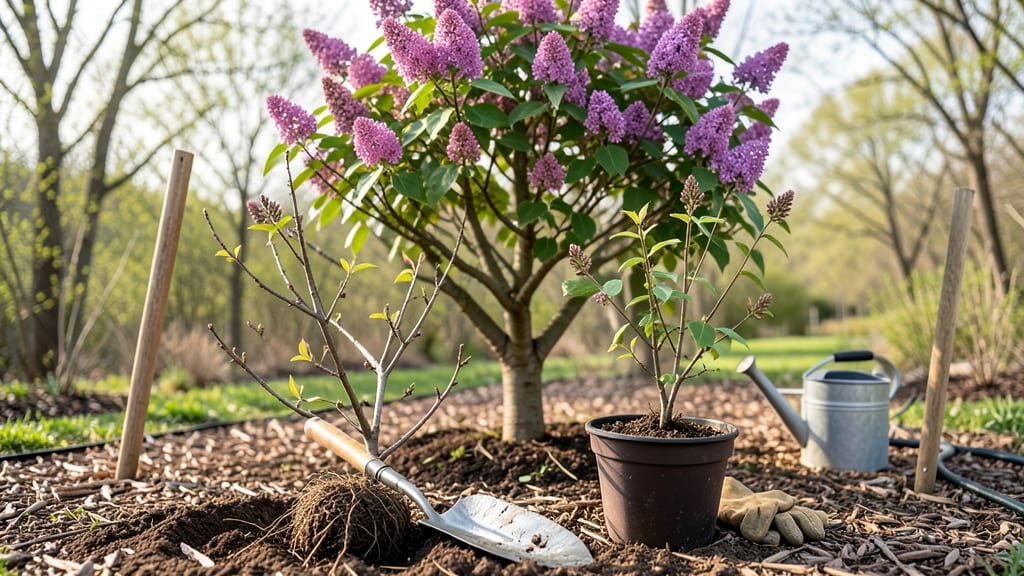
Replanting your lilac tree can mean double the blooms next spring—if you do it right. 🌿 The dormant season is your window to move lilacs without shocking their roots, and I’ve replanted mine twice using these exact steps to keep them thriving.
Timing, soil prep, and gentle handling are everything—skip any of them, and you risk stunted growth or worse.
Start by digging a hole twice as wide as the root ball but only as deep, since lilacs hate having their crown buried. Loosen the soil around the edges to encourage roots to spread outward, and mix in compost for nutrients.
If your lilac’s roots are circling, gently tease them apart—this prevents girdling and keeps the tree healthy for years. Water deeply before moving to reduce transplant shock.
Once planted, water deeply every 3-4 days for the first month, keeping the soil moist but not soggy. A light pruning after replanting removes stress and directs energy to root establishment.
By next spring, your lilac will reward you with stronger branches and more fragrant clusters than ever—if you avoid these common mistakes like overwatering or planting too deep.
This method works for both young lilacs and mature trees, though bigger specimens need extra support during their first year. With proper care, your replanted lilac could outperform its original spot in just a season. Here’s how to make it happen without a hitch.
📚 In This Guide
- What you need
- Instructions
- Tips and common mistakes
- Wrapping up and next steps
What you need
- ● Lilac tree: A healthy, containerized or bare-root lilac (check for pests or disease before replanting).
- ● Shovel or digging spade: A sturdy, sharp-edged spade (18–24 inches wide) for digging the hole.
- ● Garden fork or trowel: For loosening compacted soil and breaking up roots gently.
- ● Compost or well-aged manure: 5–10 gallons (mixed with native soil for nutrient boost).
- ● Native soil or topsoil: At least 2–3 cubic feet, amended if needed (test soil pH for ideal 6.0–7.0 range).
- ○ Mulch (optional but recommended): 2–3 inches of organic mulch (wood chips, straw, or shredded bark) to retain moisture.
- ● Watering can or hose with gentle spray nozzle: For thorough watering post-replanting.
- ● Pruning shears or loppers: To trim dead or damaged branches after replanting.
- ● Gloves and knee pads: For comfort and protection while digging.
- ○ Stakes and twine (optional): If your lilac is tall or top-heavy, use 2–3 stakes for temporary support.
- ● Root stimulator: A liquid or powder to encourage root growth (follow package instructions).
- ● Soil pH tester kit: To ensure your soil is ideal for lilacs before replanting.
- ● Epsom salt (magnesium sulfate): 1 tablespoon mixed into the planting hole for extra nutrients.
- ● Mulch rings or landscape fabric: To keep mulch in place and prevent weed growth.
- ● Plant food (balanced fertilizer): Apply lightly 4–6 weeks after replanting for a growth boost.
Step-by-step guide to replanting a lilac tree
Here's how to give your lilac tree a fresh start with minimal stress and maximum growth potential.
🪴 Step 1: Choose the Right Time and Location
Replant your lilac tree during its dormant season—either late fall (after leaves drop) or early spring (before buds swell). Avoid hot summer months when roots are most vulnerable. Pick a location with full sun (at least 6 hours daily) and well-draining soil—lilacs hate soggy roots.
Test your soil’s drainage by digging a 12-inch hole and filling it with water. If it drains within 2 hours, your soil is fine. If not, amend with sand or compost to improve aeration. I always mark the tree’s original position with a stake to ensure I replant it at the same depth—lilacs struggle if buried too deep or too shallow.
🌱 Step 2: Dig and Prepare the New Hole
Dig a hole twice as wide as the tree’s root ball but no deeper—lilacs prefer shallow roots. Loosen the sides of the hole with a shovel to encourage root spread. If your soil is heavy clay, mix in 2-3 inches of compost or organic matter into the bottom of the hole to improve fertility and drainage.
Place the tree in the hole and adjust its position so the top of the root ball sits level with the surrounding soil. Fill the hole halfway with soil, then water deeply to settle it. This prevents air pockets that can suffocate roots. I tap the soil gently with my foot to compact it lightly—just enough to hold the tree steady without crushing roots.
💧 Step 3: Backfill, Water, and Mulch
Finish filling the hole with soil, pressing down gently in 2-inch layers to eliminate air gaps. Water the tree slowly but deeply after each layer to help roots settle into place. Once the hole is full, create a 4-inch-wide watering basin around the base to direct moisture to the roots.
Apply 2-3 inches of mulch (like shredded bark or wood chips) over the soil surface, keeping it 6 inches away from the trunk to prevent rot. Mulch helps retain moisture and regulate soil temperature. Water the tree once a week for the first month, ensuring the soil stays evenly moist but not soggy. Lilacs are drought-tolerant once established, but fresh roots need consistent hydration.
☀️ Step 4: Prune and Support for Recovery
After replanting, prune any broken or damaged branches to reduce stress. Avoid heavy pruning—wait until late summer (after flowering) to shape the tree. If the lilac looks unstable, stake it temporarily with 2-3 supports to prevent wind damage while roots adjust.
Monitor the tree closely for the first 2-3 weeks. Yellowing leaves may signal overwatering, while wilting could mean underwatering. Lilacs are tough, but they need patience—give them 1-2 growing seasons to fully recover. I always fertilize lightly in early spring with a balanced 10-10-10 formula to encourage new growth without overwhelming fresh roots.
Tips & tricks for perfect lilac tree replanting
Real talk: Moving a lilac tree can feel like a gamble, but these small details make all the difference between a struggling plant and a thriving one.
Timing is Everything: I learned this the hard way after replanting in summer—roots get stressed in heat. Stick to the dormant season window (late fall or early spring) when the tree is naturally conserving energy. The 6 hours of sunlight requirement isn't just about light—it's about the tree's energy balance. Too little sun now means fewer blooms next season.
Root Ball Depth Check: The instructions mention keeping the root ball level with the soil, but here's what nobody tells you—use a level tool to verify this. I've seen many gardeners eyeball it and end up with trees either buried too deep (which suffocates roots) or too shallow (which exposes them to temperature swings). A slight tilt is better than being off by an inch.
Soil Settlement Strategy: When you're filling that hole in Step 2, don't rush the watering. After each 2-inch layer of soil, pour 1 gallon of water and let it fully absorb. This gradual settling prevents compaction issues that can strangle new roots. I've seen replanted lilacs fail because the soil was packed too tightly around the roots during backfilling.
Mulch Matters More Than You Think: That 2-3 inch mulch layer isn't just decoration—it's insulation. In winter, it protects roots from freezing; in summer, it keeps them cool. The key is keeping it 6 inches away from the trunk to prevent rot. I use shredded bark because it breaks down slowly, adding organic matter to the soil over time.
Pro Tips for Lilac Tree Replant
- Real talk: Moving a lilac tree can feel like a gamble, but these small details make all the difference between a struggling plant and a thriving one.
- Timing is Everything: I learned this the hard way after replanting in summer—roots get stressed in heat.
- Root Ball Depth Check: The instructions mention keeping the root ball level with the soil, but here's what nobody tells you—use a level tool to verify this.
Frequently asked questions
Got questions about replanting your lilac tree? You’re not alone—this process can feel tricky, but we’ve got answers to help you bloom with confidence! Here are some of the most common queries:
When is the best time to replant a lilac tree?
The ideal window is early spring (just as buds swell) or fall (6 weeks before your first frost). Avoid replanting during extreme heat or cold—roots need time to establish before stress hits. Pro tip: If you must replant in summer, water deeply every 2–3 days to keep soil moist.
How do I know if my lilac’s roots are healthy enough to replant?
Healthy roots should be white or light tan and firm, not mushy or black (a sign of rot). Gently shake off old soil to inspect—if roots are dry and brittle, soak them in water for 1–2 hours before replanting. A quick sniff test: Rotten roots smell foul!
Can I replant a lilac in the same spot after digging it up?
Not ideal! Lilacs thrive in full sun (6+ hours/day) and well-draining soil. If the original spot had poor drainage or shade, choose a new location 10–15 feet away from other lilacs (they compete for nutrients). Test soil pH—lilacs prefer 6.0–7.0.
What should I do if my replanted lilac wilts or turns yellow?
Wilting often means underwatering or root shock. Water slowly at the base (not overhead) for the first 2 weeks, then taper to 1–2 inches/week. Yellow leaves? Check for overwatering or nutrient deficiency—add a balanced fertilizer (10-10-10) in spring. Mulch lightly to retain moisture.
Are there alternatives if my lilac refuses to thrive after replanting?
If your lilac struggles, consider root-pruning (trimming roots by 1/3 before replanting) or switching to a hardier variety like ‘Dwarf Korean’ or ‘Miss Kim’ (compact, low-maintenance). For instant color, try clematis or butterfly bush—they’re equally fragrant but more forgiving!
Wrapping up and next steps
Replanting your lilac tree is a rewarding way to ensure it thrives for years to come! By carefully preparing the site, pruning strategically, and nurturing those roots, you’re setting the stage for vibrant blooms and lush foliage next season. 🌿✨
Now that you’re armed with the right steps, take action—grab your gloves, mark that perfect spot, and give your lilac the fresh start it deserves. Happy replanting!
- Next step: Schedule your replanting during the tree’s dormant season (late fall or early spring) for the best results.