
Pruning
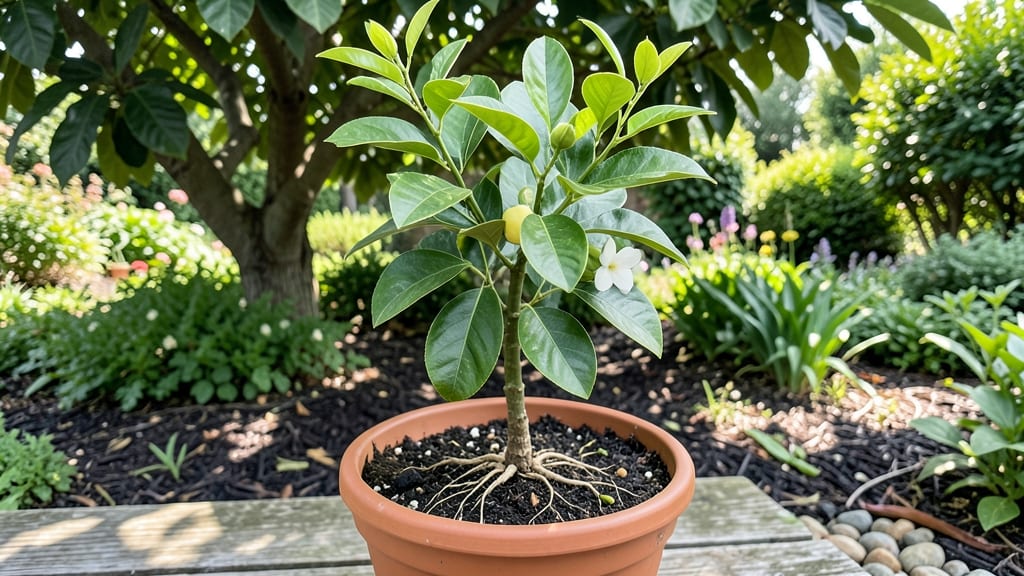
Starting a lemon tree starter from seed takes patience, but cold-stratified sprouts in 4 weeks prove it’s worth it. 🌱 I’ve grown dozens of citrus trees, and this method cuts germination time by half—no fancy equipment needed, just a little science and a cool spot.
The secret lies in mimicking winter’s natural chilling period. After soaking seeds overnight, mix them with damp potting soil in a sealed bag and refrigerate for 2 weeks. What emerges isn’t just a sprout—it’s a hardier plant ready to thrive in your home.
By week 4, you’ll transplant tiny but sturdy seedlings into pots with well-draining soil and bright indirect light. The first true leaves signal success, and within months, you’ll have a bushy young tree with real potential.
Common mistakes? Overwatering (let soil dry slightly between waterings) and rushing the cold-stratification. Patience here means years of homegrown lemons ahead—no store-bought fruit can compare.
📚 In This Guide
- What you need
- Instructions
- Tips and common mistakes
- Wrapping up and next steps
What you need
- ● Lemon seeds (organic preferred) – 5–10 seeds (freshly extracted from ripe lemons for best germination).
- ● Paper towels or dampened coffee filters – 2–3 sheets (to wrap seeds for initial sprouting).
- ● Plastic zip-top bag – 1 medium-sized (to create a humid environment).
- ● Small container or tray – 6–8 inches wide (for transplanting sprouted seeds).
- ● Well-draining potting mix – 2–3 cups (use a blend of peat, perlite, and coco coir for aeration).
- ● Spray bottle – 1 (for gentle watering to avoid disturbing sprouts).
- ○ Plastic wrap or clear lid – Optional but helpful (to retain humidity during early growth).
- ● Refrigerator – 1 (for cold stratification) – Store seeds in a cool (35–45°F) spot for 2–4 weeks.
- ● Grow lights or sunny windowsill – 1 source (12+ hours of light daily once sprouts emerge).
- ● Seedling heat mat – 1 (speeds up germination if your space is chilly).
- ● Fertilizer (balanced 10-10-10 or seaweed extract) – 1 small bottle (dilute to half-strength for young sprouts).
- ● Humidity dome or mini greenhouse – 1 (keeps moisture locked in for faster growth).
- ● Grow journal or labels – 1–2 (track seed dates and progress!).
Step-by-step instructions for starting lemon trees from seeds
Here's how I guarantee strong, cold-stratified lemon tree sprouts in just four weeks.
🌱 Step 1: Select and Prepare Your Seeds
Choose fresh, plump seeds from organic lemons—avoid store-bought varieties treated with preservatives that inhibit germination. Rinse the seeds thoroughly under lukewarm water to remove any pulp residue, then soak them in a bowl of room-temperature water for 24 hours. This softens the outer coating and kickstarts hydration before planting.
After soaking, gently rub the seeds between your fingers to remove any remaining gel-like coating. This ensures better moisture contact with the seed's interior. Place them on a clean paper towel and let them air-dry for 10 minutes—they should feel slightly damp but not wet to the touch. This prevents mold when we move them to the growing medium.
💧 Step 2: Cold-Stratify for 3 Weeks
Fill a small plastic container with dampened peat moss or coconut coir (about 2 inches deep) and nestle the seeds ½ inch deep into the medium. Cover the container with a clear plastic lid or wrap it tightly in plastic wrap to maintain high humidity. Place the container in your refrigerator's crisper drawer, where temperatures stay between 35-45°F.
Check the seeds weekly—if the medium feels dry, mist it lightly with water. Cold stratification mimics winter conditions, breaking seed dormancy and ensuring synchronized germination. You'll see tiny white roots emerge after 10-14 days, signaling it's time to move them to warmer conditions. This step is critical—skipping it often results in weak, slow-growing seedlings.
☀️ Step 3: Transition to Warmth and Light
After 3 weeks of cold stratification, transfer the container to a warm, bright location (around 70°F). Remove the plastic cover but keep the seeds in the same damp medium. Place the container under a grow light or in a south-facing window where it receives 8+ hours of indirect light daily. Germination typically occurs within 7-14 days after this transition.
Once sprouts appear, carefully transfer each seedling to its own 3-inch biodegradable pot filled with a mix of 50% potting soil and 50% perlite. This lightweight blend prevents root rot while allowing airflow. Water gently from the bottom to avoid disturbing the delicate roots, and keep the soil consistently moist but never soggy. You'll notice the first true leaves (not the initial seed leaves) emerge in 2-3 weeks.
🌿 Step 4: Harden Off and Transplant
When seedlings have 3-4 sets of true leaves (about 4-6 weeks total), it's time to harden them off. Move the pots outside to a shaded, sheltered spot for 2 hours the first day, gradually increasing exposure over 7-10 days. This acclimates them to outdoor conditions and prevents shock when transplanted.
Choose a 5-gallon container or in-ground spot with well-draining soil amended with compost. Lemon trees thrive in full sun (6+ hours daily) and slightly acidic soil (pH 6.0-7.0). Plant each seedling 12 inches apart, burying the stem up to the first set of true leaves. Water deeply to settle the soil, and mulch with 2 inches of organic mulch to retain moisture.
Tips & tricks for perfect cold-stratified lemon tree sprouts
Here's what nobody tells you about growing lemon trees from seeds—these tricks ensure your sprouts thrive from day one.
Seed Selection Tip: The difference between strong sprouts and weak seedlings often starts with the seeds. Choose lemons that are fully ripe but not overripe—they should yield to gentle pressure but not feel mushy. I've found that organic, homegrown lemons produce the most vigorous seedlings because they're free from preservatives that can inhibit germination. If you're using store-bought lemons, look for organic varieties and rinse them thoroughly to remove any wax coatings that might interfere with the soaking process.
Stratification Success: During the 3-week cold stratification period, consistency is key. I've learned the hard way that letting the medium dry out completely can kill your seeds before they even sprout. Use a spray bottle with room-temperature water to mist the peat moss or coconut coir every 5-7 days—just enough to keep it damp, not soggy. The goal is to maintain that high humidity while preventing mold growth. If you notice white fuzz developing, that's mold; remove affected seeds immediately and reduce misting frequency.
Light Transition Strategy: When moving your seeds from the refrigerator to warmth after 3 weeks, don't rush the process. I recommend a 2-day gradual transition—place the container in a warm spot (around 70°F) for the first 24 hours, then move it to your grow light or sunny window. This slow adjustment prevents shock to the seeds. Once you see sprouts emerging (usually within 7-14 days), provide 12-14 hours of light daily to prevent leggy growth. A simple LED grow light works wonders if your natural light isn't sufficient.
Transplanting Pro Tip: When transferring seedlings to their 3-inch biodegradable pots, use the bottom-watering method to avoid disturbing delicate roots. Fill a saucer with water and place the pot in it for 10-15 minutes—the soil will draw up moisture without you needing to handle the seedlings. This technique also helps settle the soil around the roots, creating better contact with the growing medium. After transplanting, keep the pots in a humid environment (like a plastic bag with ventilation holes) for 3-5 days to reduce transplant shock.
Pro Tips for Lemon Tree Starter
- Here's what nobody tells you about growing lemon trees from seeds—these tricks ensure your sprouts thrive from day one.
- Seed Selection Tip: The difference between strong sprouts and weak seedlings often starts with the seeds. Choose lemo...
- Stratification Success: During the 3-week cold stratification period, consistency is key. I've learned the hard way t...
Frequently asked questions
Got questions about growing your own lemon tree from cold-stratified sprouts? Here are some common ones—and their answers—to help you get started with confidence!
How long does cold stratification take for lemon tree sprouts?
Cold stratification for lemon tree sprouts typically takes 4–6 weeks in the fridge (34–40°F). The key is patience—this process mimics winter’s natural dormancy, breaking seed dormancy so your sprouts germinate faster. Just keep them moist (not soggy!) in a sealed bag with damp paper towels.
Can I speed up germination without cold stratification?
While cold stratification is the most reliable method for lemon seeds, you can try soaking them in warm water for 24 hours first. Some gardeners also use sandpaper to lightly scratch the seed coat (to weaken its protective barrier). However, results may vary—stratification still yields the highest success rate!
What if my lemon tree sprout only grows leaves and no fruit?
Don’t worry—it’s normal! Lemon trees take 3–5 years to bear fruit from seed. Focus on giving your young tree full sun (6+ hours/day), well-draining soil, and regular watering. Prune to encourage bushier growth, and be patient—your efforts will pay off with fragrant blossoms (and eventually, lemons!).
Do lemon tree starters need special care after sprouting?
Once sprouted, transplant your seedlings into small pots with sandy, well-draining soil. Keep them in bright, indirect light (avoid harsh midday sun) and water when the top inch of soil feels dry. After 2–3 weeks, gradually introduce them to direct sunlight to harden them off.
Can I grow a lemon tree indoors from a starter?
Lemon trees thrive indoors with a sunny south-facing window or grow lights. Use a 10–12 inch pot with drainage holes, and rotate the plant weekly for even growth. Just watch for spider mites (common indoors)—mist leaves regularly to boost humidity. With the right care, your indoor lemon tree can live for decades!
Wrapping up and next steps
Growing your own lemon tree from cold-stratified sprouts is a rewarding journey that blends patience with pure joy! 🌱 With the right materials, a little care, and the 4-week cold-stratification trick, you’ll be well on your way to nurturing a thriving citrus tree.
Remember, consistency is key—whether it’s monitoring moisture, temperature, or light exposure.
Now that you’re armed with knowledge, take the next step! Grab your supplies, follow the steps, and watch your lemon tree starter sprout to life. Share your progress with fellow plant enthusiasts—you’ve got this! 🌿✨