
Pruning
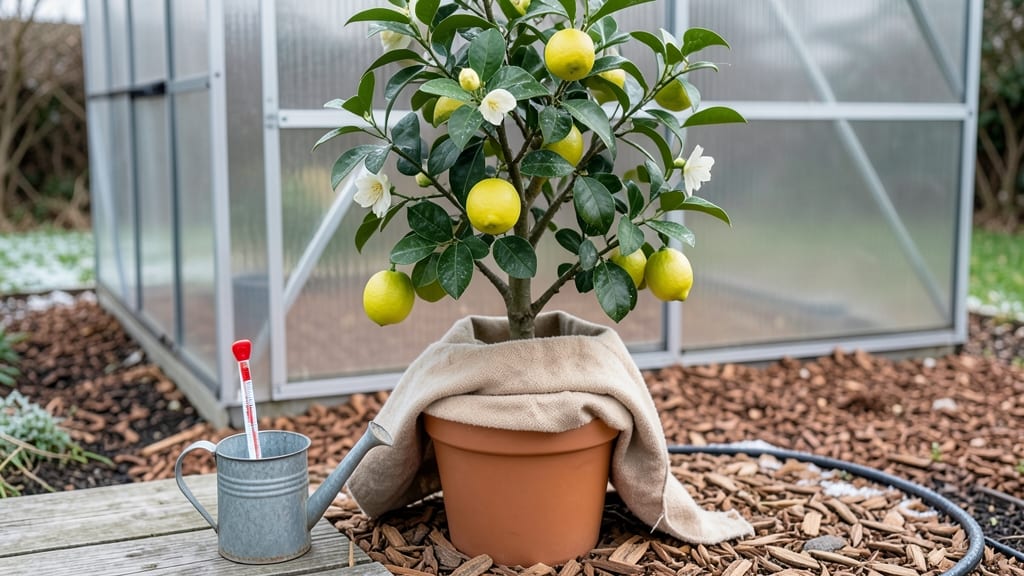
Understanding lemon tree low temperature tolerance is key: these citrus plants survive brief dips to 25–30°F (-4 to -1°C), but temperatures below 32°F (0°C) for extended periods can blacken leaves and drop fruit, while 20°F (-7°C) often proves fatal. Young trees need extra protection—mulch heavily, use frost cloth, and move potted varieties indoors before frost hits.
Cold stress affects lemon trees by disrupting their cell membranes, causing leaf burn and fruit damage. Meyer lemons are slightly hardier than Eureka varieties, but neither thrives in prolonged freezing. 28°F (-2°C) is the critical threshold where damage becomes visible—browning leaves or stunted growth signal trouble.
The good news? With proper care, trees often bounce back in spring, though fruit production may take a season to recover. 🌱
For outdoor trees, focus on root protection—mulch with 4-6 inches of straw or wood chips before winter. Wrap the trunk with bubble wrap or burlap, and cover with frost cloth if temperatures dip below 30°F (-1°C).
Potted trees should move indoors to a 50-60°F (10-15°C) garage or sunroom before the first frost. Even a few hours of exposure to 25°F (-4°C) can stress roots, so act early.
💡 In This Article
- How Cold Weather Affects Lemon Tree Health
- Step-by-Step Guide to Protecting Lemon Trees in Cold Climates
How cold weather affects lemon tree health
Cold stress in lemon trees begins at the cellular level, where freezing temperatures cause ice crystals to form in plant tissues. These crystals rupture cell membranes, particularly in leaves and fruit, leading to what's called "chilling injury."
At 32°F (0°C), you'll start seeing leaf burn—edges turn brown and crispy, while fruit may develop dark spots or soften prematurely. 🌬️ The damage worsens below 28°F (-2°C), where internal cell damage becomes irreversible in many varieties.
Meyer lemons generally handle cold better than Eureka varieties due to their hybrid genetics—Meyers can tolerate brief dips to 25°F (-4°C), while Eurekas may show damage at 28°F (-2°C).
This difference stems from Meyer's parentage (a cross between a lemon and a mandarin), which gives it slightly more cold resistance. However, neither variety thrives in prolonged freezing. The roots, being underground, can survive slightly colder temps (20°F/-7°C for short periods), but the above-ground parts are far more vulnerable.
Recovery signs appear in spring: new growth may emerge, but damaged branches often remain brown and dead. Fruit production typically takes a season to rebound, as the tree redirects energy toward repairing damage rather than flowering.
The most critical temperature threshold is 25°F (-4°C)
Cold weather also triggers fruit drop, as the tree prioritizes protecting its core structure over ripening fruit. You might see lemons falling even if they appear healthy—this is the tree's survival mechanism. The good news is that with consistent temperatures above 30°F (-1°C), lemon trees can fully recover their vigor within 6-8 weeks of warm weather returning. 🌱 One often-overlooked factor is wind chill, which can make 30°F (-1°C) feel like 20°F (-7°C) to the plant. This is why windbreaks (like burlap screens) are crucial—they reduce heat loss from leaves by up to 50%. The combination of cold and wind accelerates moisture loss, leading to faster desiccation of delicate citrus foliage. For potted trees, the risk is even higher because container soil freezes more quickly than in-ground soil. A 5-gallon pot can lose heat 3x faster than the ground, meaning what feels like 30°F (-1°C) outside might expose roots to 20°F (-7°C) conditions. This is why moving containers indoors before the first frost is non-negotiable for survival.