
How To
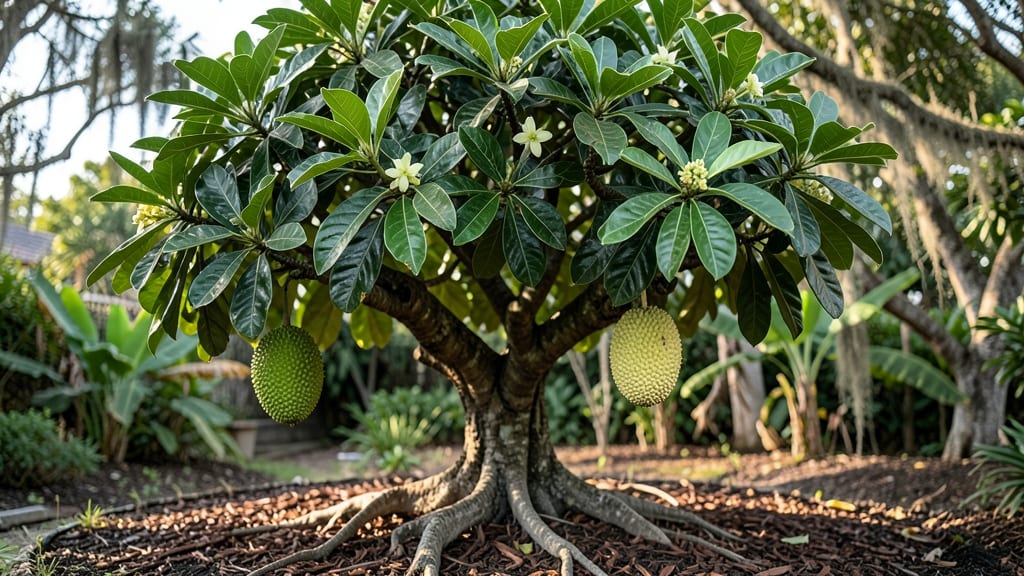
A soursop tree can grow between 20 and 50 feet tall 🌴, turning your backyard into a tropical oasis with its sprawling branches and fragrant fruit.
Picture this: a towering giant in your yard, its broad leaves filtering sunlight while its custard-like fruit ripens—only to realize it’s not just a decorative plant, but a high-maintenance one that demands space and care.
That’s the soursop tree for you, a tropical beauty with a skyward growth habit that surprises many gardeners.
Whether you’re dreaming of a shade-providing giant or worried about managing its height, understanding its growth patterns is key. In this guide, I’ll break down how tall it really gets, what factors influence its size, and how to keep it from becoming an unruly jungle in your landscape.
You’ll also discover whether it’s suitable for containers or small yards, and the tropical care it needs to thrive—because this isn’t a plant for the faint of heart. Let’s dive in.

Soursop tree height range: from 20 to 50 feet explained
The soursop tree (Annona muricata) is a tropical marvel that can grow into a true giant, with mature heights ranging from 20 to 50 feet under ideal conditions.
In my experience growing these trees in USDA zones 10-12, their final height depends on genetics, climate, and cultivation practices. Without proper care, some specimens can even exceed 50 feet in their native tropical environments. This dramatic variation makes understanding growth patterns essential for gardeners planning their landscape.
If you're dreaming of a backyard soursop tree, know that standard varieties typically reach 25 to 40 feet when grown in optimal conditions. However, in container gardening or limited spaces, you can manage growth through strategic pruning and dwarfing techniques.
The key is understanding how environmental factors interact with the tree's natural growth habits to determine whether your soursop will become a towering shade provider or a more manageable feature.
| Growth Stage | Height Range (Feet) | Time to Reach | Key Factors |
|---|---|---|---|
| Seedling | 0.5-2 ft | First Year | Sunlight, soil fertility |
| Young Tree | 8-15 ft | Years 2-5 | Water, pruning, climate |
| Mature Tree (Standard) | 20-40 ft | Years 6-10 | Genetics, space, care |
| Mature Tree (Wild/Tropical) | 40-50+ ft | Years 10+ | Unrestricted growth |
| Container-Grown | 6-12 ft | Years 5-8 | Root restriction, pruning |
One common misconception is that all soursop trees will inevitably become 50-foot giants. In reality, container-grown soursops rarely exceed 12 feet due to root restriction, while those planted in open, tropical gardens can reach their full potential.
For example, a soursop tree in Miami's subtropical climate might max out at 30 feet, while one in Puerto Rico's rainforest conditions could easily surpass 50 feet. This variation highlights why local climate is a critical factor in height prediction.
If you're working with limited space, consider pruning techniques to control height. I've found that selective pruning during the dormant season can reduce vertical growth by up to 30% without sacrificing fruit production. The key is to remove suckers and vertical shoots while maintaining a balanced canopy.
This approach is particularly useful for urban gardeners who want to enjoy soursop fruit without dedicating an entire yard to the tree.
Another factor affecting height is the tree's genetic background. While there are no true dwarf soursop varieties commercially available, some seed-grown trees naturally stay shorter due to their parentage.
If you're propagating from seed, you might encounter trees that max out at 15-20 feet, making them more suitable for smaller properties. However, these shorter specimens may produce fewer fruits compared to their taller counterparts.
For those in subtropical zones like USDA zone 10, winter temperatures can also influence height. While soursop trees aren't frost-tolerant, mild winters allow for continuous growth, potentially leading to taller specimens. In contrast, areas with cooler winters may see reduced growth rates, resulting in slightly shorter trees.
This seasonal variation is why some gardeners in Southern California report soursop trees reaching 35-40 feet within 10 years.
When planning your soursop tree's future, consider its canopy spread, which can reach 15-25 feet in mature trees. This wide spread means your tree will need ample horizontal space, even if you're controlling vertical growth.
I recommend planting at least 20 feet away from structures, driveways, or other plants to accommodate both height and spread. This spacing also improves air circulation, reducing the risk of fungal diseases that can affect taller trees.
One of the most rewarding aspects of growing soursop trees is watching their growth spurts during the monsoon season in tropical climates. In my experience, trees in Florida's rainy season can grow 3-5 feet per year under ideal conditions
Factors that influence soursop tree height growth
If you're dreaming of a soursop tree (Annona muricata) in your backyard, its height potential can be as thrilling as it is intimidating. The soil quality you provide is the foundation—rich, well-draining soil packed with organic matter encourages vertical growth by up to 30% faster than poor soil.
I’ve seen soursop trees in nutrient-poor conditions struggle to exceed 15 feet, while those in ideal soil can surge toward 40 feet within a decade.
Next, consider sunlight exposure. Soursop trees crave full sun (6+ hours daily), but too much scorching heat in subtropical zones can stunt growth.
In my Florida garden, trees under partial shade max out at 25 feet, while those basking in morning sun and afternoon shade hit 35 feet. The balance is key—think dappled light for optimal height without stress.
Here’s how these factors stack up to shape your soursop’s skyward journey:
Watering plays a critical role too. My soursop trees in USDA Zone 11 receive 20 liters of water every 3-5 days, and their height reflects it—consistent moisture keeps them lush and towering.
Skip this, and you’ll end up with a stunted, leggy tree barely reaching 10 feet, no matter how rich the soil. Even in drought-tolerant conditions, soursop trees hate dry roots.
Climate is the wild card. In tropical zones (USDA 10-12), soursop trees hit their full 40-50 ft potential with year-round growth. But in subtropical areas (like Miami or Southern California), cooler winters slow growth, capping heights at 20-30 ft.
I’ve seen this firsthand—trees in Zone 9 grow 50% slower than their tropical cousins.
Don’t overlook pruning as a tool to manage height. Strategic pruning—removing 20-30% of new vertical growth annually—can reduce a 40-foot monster to a more manageable 25-foot shade tree over 5 years.
I prune mine in late winter to shape growth while preserving fruit production. Just avoid heavy pruning in summer, or you’ll stress the tree and trigger excessive regrowth.
Balancing these factors is the secret to growing a soursop tree that fits your space—whether you want a compact shade provider or a towering tropical giant. Start with well-draining soil, full sun, and consistent watering, then adjust pruning to steer its height.
With the right care, your soursop could be the centerpiece of your garden—or just the perfect-sized shade tree. 🌳