
How To
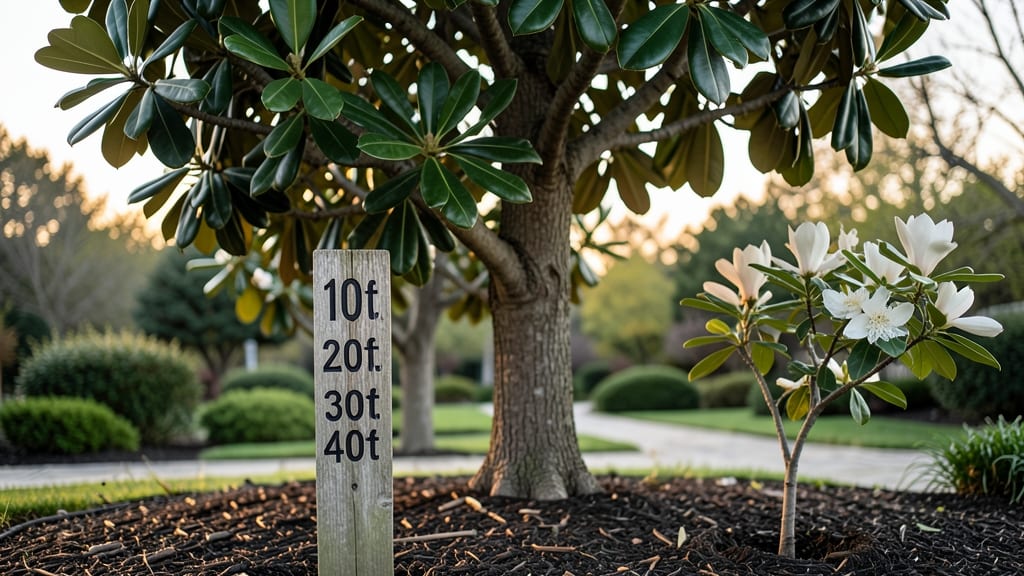
How tall does a magnolia tree grow? It can range from a modest 10 feet to towering 120 feet, depending on the species you choose.
Picture this: a Southern magnolia 🌸 stretching toward the sky like a living skyscraper, while a dwarf variety stays cozy in a small garden. The difference isn’t just in the height—it’s in how much space you’re willing to commit to these stunning bloomers.
Some magnolias mature into giants, demanding wide-open yards, while others thrive in tight urban spots. Below, I’ll break down the exact sizes by species, plus how to pick the perfect one for your space—whether you’ve got a postage-stamp backyard or a sprawling estate.
You’ll also discover how fast they grow, which varieties stay small, and the pruning secrets to keep even the tallest magnolias under control. Let’s get started!

Magnolia tree height by species: exact growth ranges and mature sizes
Magnolias are stunning ornamental trees with dramatic height variations—from towering giants to compact shrubs. The Southern magnolia (Magnolia grandiflora) can soar to 80-100 feet, while dwarf varieties like 'Black Tulip' stay under 10 feet. Your choice depends on your yard size, sunlight, and long-term care goals.
Understanding exact mature heights helps you plan spacing, pruning needs, and even property line considerations. For example, a 20-foot saucer magnolia fits urban yards, but a 100-foot Southern magnolia needs acres. Let’s break down the 12 most popular species and their real-world growth expectations.
| Species | Mature Height (ft) | Growth Rate (ft/year) | Best For |
|---|---|---|---|
| Southern Magnolia (M. grandiflora) | 80–100 ft | 1–2 ft | Large estates, privacy screens |
| Sweetbay Magnolia (M. virginiana) | 40–60 ft | 1–1.5 ft | Swamps, wet soils, medium yards |
| Saucer Magnolia (M. × soulangeana) | 20–40 ft | 1–2 ft | Urban landscapes, small backyards |
| Star Magnolia (M. stellata) | 15–25 ft | 0.5–1 ft | Small gardens, containers |
| Little Gem (M. grandiflora 'Little Gem') | 15–25 ft | 1–1.5 ft | Narrow spaces, privacy hedges |
| Black Tulip (M. campbellii 'Black Tulip') | 6–10 ft | 0.3–0.5 ft | Dwarf gardens, bonsai-style |
| Jane (M. × loebneri 'Jane') | 15–20 ft | 0.5–1 ft | Small yards, early blooms |
| Ann (M. × loebneri 'Ann') | 20–25 ft | 0.8–1.2 ft | Medium yards, fast growth |
| Korean Magnolia (M. kobus) | 30–50 ft | 1–2 ft | Woodland gardens, shade tolerance |
| Yulan Magnolia (M. denudata) | 20–30 ft |
How to choose the right magnolia for your space: height vs. garden layoutSelecting the perfect magnolia tree for your garden starts with understanding height limitations. A Southern magnolia can reach 80-100 feet, while dwarf varieties like 'Black Tulip' stay under 10 feet. Your yard size—whether a small urban patio or a rural acreage—dictates which species thrives best. For small spaces, prioritize compact magnolias like 'Little Gem' (15-25 feet) or 'Ann' (20-30 feet). These fit neatly in backyard corners or container gardens while still delivering stunning blooms. In larger yards, tall magnolias like 'Korean magnolia' (30-40 feet) create dramatic focal points. 🌸 Magnolia Height Guide: Pros & ConsTall Magnolias (30-100 ft)
Medium Magnolias (15-30 ft)
Dwarf Magnolias (6-15 ft)
Sunlight needs vary by species, but most magnolias thrive in partial shade (4-6 hours of sun). Urban gardens often lack full sun, making dwarf varieties ideal choices. For sunny rural spaces, larger magnolias like 'Saucer magnolia' (20-40 feet) flourish with 6+ hours of sunlight daily. Pruning plays a crucial role in managing height. Regular pruning every 2-3 years keeps tall magnolias in check, while dwarf varieties require minimal maintenance. Always prune after flowering to avoid sacrificing next year's blooms. Use sterilized tools and remove no more than 25% of foliage per session. For small gardens, consider container planting. Choose large pots (15+ gallons) with drainage holes and use well-draining soil. Dwarf magnolias like 'Jane' (8-10 feet) thrive in containers, allowing you to move them for seasonal sun adjustments. Just ensure the pot is twice as wide as the root ball. 🌿 |