
How To
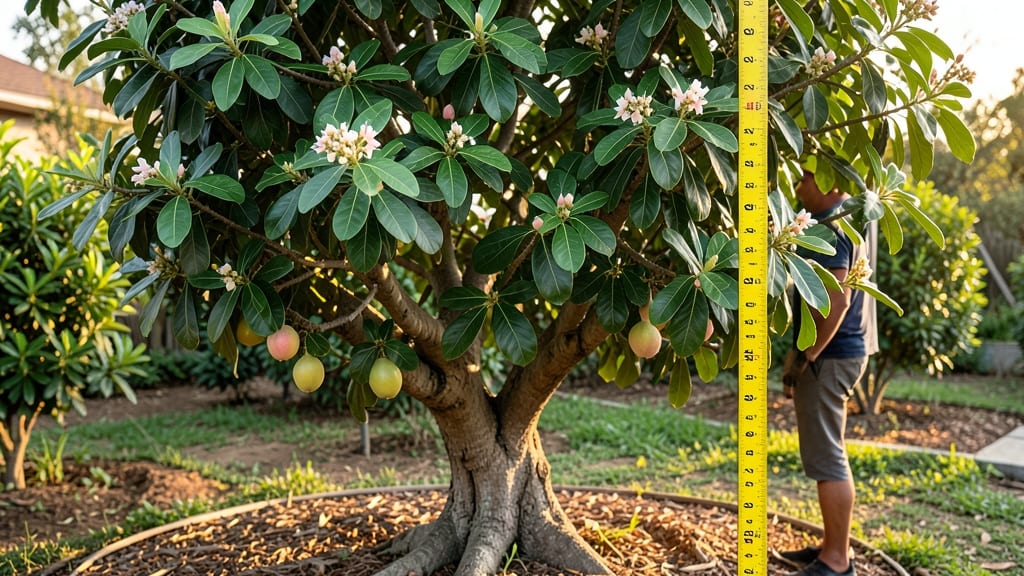
A guava tree can grow anywhere from 8 feet to towering 30 feet tall, depending on the variety and growing conditions you provide.
If you're dreaming of a tropical backyard oasis with fragrant flowers and sweet, nutritious fruit, guava trees could be your perfect addition—but first, you need to know exactly how big they’ll grow.
Some varieties stay compact enough for containers, while others shoot up like skyscrapers, making space planning critical. Below, we’ll break down the height ranges for common types, how climate affects growth, and pruning tips to keep your 🥝 tree at your ideal size.
Whether you’re working with a small patio or a sprawling yard, this guide will help you choose the right variety and manage its height for years of delicious harvests.

Guava tree height by variety: from dwarf to giant sizes
Choosing a guava tree isn’t just about flavor—it’s about space planning. The Psidium guajava species alone spans from 8-foot dwarf varieties to 30-foot jungle giants. Your climate, pruning habits, and even soil type can push a tree 5 feet taller or keep it compact.
Let’s break down the most popular varieties by height so you can pick the perfect fit for your backyard, patio, or even a large container.
Most home gardeners gravitate toward medium-height varieties like the classic ‘Red Malaysian’ or ‘White Supreme’, which hit 15-20 feet at maturity. But if you’re in USDA Zone 8-11, you can grow tropical giants like ‘Kwai Mai Pink’, which can soar to 25+ feet without intervention.
For cooler climates (Zones 6-7), cold-hardy varieties like ‘Ruby Supreme’ stay between 10-15 feet.
🌱
The ‘Sour Sop’ dwarf variety is my top pick for container growing—it tops out at 12 feet and thrives in 15-gallon pots with regular pruning. Meanwhile, the ‘Red Malaysian’ can become a privacy powerhouse in 2-3 years if planted near fences or property lines.
Pro tip: Prune young trees annually to encourage wider canopies instead of tall, leggy growth.
If you’re in cooler climates (Zones 6-7), stick to ‘Ruby Supreme’ or ‘Supreme Thai’—both handle brief frost dips (down to 20°F) better than tropical varieties. For USDA Zone 10+, you can experiment with ‘Kwai Mai Pink’, but expect aggressive height growth without pruning.
I’ve seen these reach 30 feet in 5 years with ideal conditions!
🌿
Don’t let height scare you off—pruning in late winter can slash a tree’s growth by 30-50%. For example, if you top a ‘White Supreme’ at 12 feet, it’ll focus energy on fruit production instead of vertical growth.
Just avoid heavy pruning in summer, as it stresses the tree during fruiting season. Pair pruning with balanced fertilization (6-6-6 NPK) to keep growth controlled but vigorous.
For small-space gardeners, consider ‘Supreme Thai’—it’s semi-dwarf but still produces large, sweet fruit. I’ve grown one in a 20-foot-long raised bed with trellis support, and it hit 10 feet tall in 3 years while yielding 50+ fruits per season. The key? Regular harvesting
How climate and pruning affect guava tree growth height
Guava trees are famous for their explosive vertical growth, especially in tropical climates where they can shoot up 10 feet per year if left unchecked. But why do some stay compact while others become 30-foot giants? The answer lies in climate conditions and your pruning habits.
In warm, humid regions like Florida or Hawaii, guava trees grow aggressively, while in cooler zones like USDA Zone 9, their growth slows dramatically. Understanding these factors lets you control height and shape your tree for your space.
The fastest growth spurts happen during spring and summer when temperatures stay above 70°F (21°C). A guava tree in full sun can add 5-8 feet annually in ideal conditions, but in partial shade or cooler climates, growth drops to just 2-3 feet per year.
This explains why tropical guavas become towering trees while those in container gardens or northern climates stay manageable. Pruning plays an equal role—poor pruning leads to unruly growth, while strategic cuts keep trees shaped and contained.
⚠️ WARNING: Guava Trees Can Become Invasive Without Control Guava trees left unpruned in tropical climates can reach 30-40 feet tall and spread 20 feet wide, crowding out other plants and damaging structures. Their aggressive root systems also seek out water, making them drought-resistant but space-hogging.
If you’re in a warm climate, prune annually to prevent them from becoming unmanageable giants. Even in cooler zones, winter pruning is key to controlling height and encouraging fruit production.
Pruning isn’t just about height—it’s about training your guava tree to grow in the shape you want. For standard trees, prune in late winter to remove suckers and crossing branches, which encourages a single trunk and open canopy.
If you’re growing a dwarf variety, prune more aggressively in early spring to stimulate bushier growth and prevent vertical shoots. Always use sterilized pruners to avoid spreading disease, and never remove more than 25% of the canopy at once to avoid stressing the tree.
Seasonal pruning is your best tool for controlling guava tree height. In spring, focus on shaping the tree and removing dead or weak branches to encourage new growth. By summer, you’ll see rapid elongation—this is when light pruning helps maintain structure.
In fall, prune to encourage flowering buds for next year’s fruit, and in winterprepare for spring’s growth surge. Timing matters: Prune after harvest in late fall to avoid removing next year’s fruit-bearing wood.
Climate also dictates when and how much your guava tree grows. In tropical zones, growth is year-round, while in temperate climates, trees go dormant in winter, limiting height gains until spring.
If you’re in a cooler zone, choose cold-hardy varieties like ‘Ruby Supreme’ and expect slower growth—5-6 feet per year instead of 10. For container-grown guavas, root pruning (trimming roots when repotting) also slows vertical growth, keeping trees under 10 feet tall even in warm climates.
Want a guava tree that stays small? Combine pruning discipline with the right climate. In containers, limit root space and prune aggressively every 3 months to encourage bushiness. For ground-planted trees, mulch heavily to suppress vertical shoots and focus on horizontal growth.
Remember: A well-pruned guava tree in a cool climate can stay under 12 feet tall, while an unpruned one in tropical heat will reach for the sky—literally. With the right approach, you can enjoy sweet fruit without the skyscraper.