
Pruning
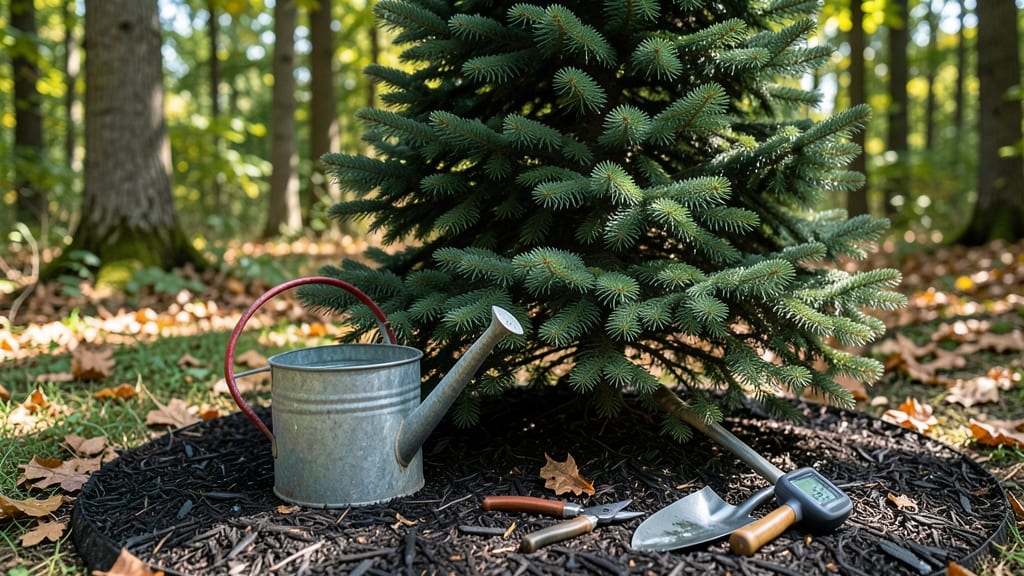
Caring for a Fraser fir tree means waking up to that pine-fresh scent every morning—no matter the season. 🌲 These cold-hardy evergreens thrive where other trees struggle, but their lushness demands the right balance of sunlight, soil, and patience.
My first Fraser fir nearly died from overwatering, but once I learned its rhythm, it became the showstopper of my yard. The secret lies in well-draining soil and partial shade—too much sun scorches the needles, while too little stunts growth.
Water deeply but infrequently (about 1 inch per week), and fertilize lightly in early spring with a slow-release evergreen blend. Pruning is minimal—just remove dead branches in late winter—but timing matters to avoid stressing the tree.
By summer, you’ll see vibrant green needles that stay vibrant even in winter’s chill. The tree’s natural shape requires almost no shaping, but a light trim keeps it looking full and healthy. Pests like spider mites are rare, but a strong hose spray keeps them away without chemicals.
Whether you’re growing one as a holiday centerpiece or a year-round privacy screen, these trees repay attention with decades of lushness. Here’s how to keep yours thriving for generations.
📚 In This Guide
- What you need
- Instructions
- Tips and common mistakes
- Wrapping up and next steps
What you need
- ● Pruning shears – Bypass pruners (sharp, 5-7" blade) for clean cuts.
- ● Loppers – 8-10" extended reach for thicker branches.
- ● Hand pruners – Small, ergonomic for delicate trimming.
- ● Gloves – Heavy-duty, cut-resistant (e.g., Mechanix or gardening gloves).
- ● Ladder – Sturdy, extendable (12-16 ft) for tall trees.
- ● Watering can or hose – Spray nozzle for gentle hydration.
- ● Mulch – 3-4 inches of pine straw or shredded bark (keep 6" away from trunk).
- ● Fertilizer – Slow-release, acid-loving formula (e.g., 10-10-10 or pine tree-specific).
- ● Tree ties or soft rope – For staking young saplings (if needed).
- ● Pole saw – For high branches without climbing.
- ● Tree sprayer – Neem oil or fungicide (preventative care).
- ● Soil pH tester – Ensure acidic range (4.5-6.0) for optimal growth.
- ● Tree wrap – For young trunks to protect from winter sunscald.
- ● Decorative stakes – For marking pruning zones (great for holiday displays!).
Step-by-Step guide to Fraser fir tree care
Here's how to keep your cold-hardy evergreen thriving through every season—no green thumb required.
🌱 Step 1: Choose the Right Location for Planting
Fraser firs need full sun to partial shade—at least 6 hours of direct sunlight daily—but they tolerate light shade in hotter climates. I always plant mine where they’ll get morning sun and afternoon shade, especially in southern regions. The soil should drain well but retain moisture; they hate soggy roots.
Test your spot by digging a small hole. If water pools after 10 minutes, amend the soil with 2-3 inches of organic mulch (like pine straw or shredded bark) to improve drainage. Fraser firs prefer slightly acidic soil (pH 4.5-6.0), so add sulfur-based amendments if your soil tests higher.
☀️ Step 2: Water Deeply and Establish a Routine
Newly planted Fraser firs need 1-2 gallons of water weekly for the first year, depending on rainfall. Water deeply—6-8 inches down—so roots grow strong. You’ll know it’s enough when water runs out the drainage holes.
After the first year, they’re drought-tolerant but still need deep watering every 10-14 days in dry spells. Check moisture by sticking your finger 2 inches into the soil—if it’s dry, water again. Overwatering is the biggest mistake; these trees hate wet feet.
✂️ Step 3: Prune for Shape and Health
Prune Fraser firs once a year in late winter or early spring before new growth starts. Remove dead or broken branches first—just cut them off at the base. Then, shape the tree by trimming back any overgrown branches to maintain its natural pyramid form.
Use clean, sharp pruners to avoid tearing the bark. Never remove more than 25% of the foliage in one year, or you’ll stress the tree. If you see brown needles, don’t prune them off—Fraser firs naturally shed older needles, and pruning healthy branches weakens the tree.
🪴 Step 4: Protect from Pests and Winter Damage
Fraser firs are tough but can get spider mites or bagworms. If you spot webbing or tiny red bugs, spray with neem oil (mix 1 tablespoon per gallon of water) in early summer. Repeat every 7-10 days until pests disappear.
In winter, these trees handle cold well but may need wind protection if you’re in a harsh climate. Wrap young trees in burlap if winds exceed 20 mph, and avoid heavy snow buildup by gently shaking it off. Mature trees usually handle winter just fine.
⏰ Step 5: Fertilize for Long-Term Lushness
Fertilize Fraser firs once a year in early spring with a slow-release, acid-loving fertilizer (like 10-10-10 or a pine tree-specific blend). Spread ½ cup per inch of trunk diameter around the root zone, then water deeply to help it soak in.
Skip fertilizer if your tree looks healthy—overfeeding causes weak growth and pest problems. If needles turn yellow, that’s your sign to test soil pH and adjust with elemental sulfur if needed. Fraser firs thrive on neglect but reward patience with decades of lush greenery.
Tips & tricks for perfect Fraser fir tree care
These essential insights will help you nurture a thriving Fraser fir that stays vibrant through every season—no gardening degree required.
Soil Test First: Before planting, grab a soil test kit from your local garden center to confirm the pH level. Fraser firs thrive in slightly acidic soil (pH 4.5-6.0), and adjusting with sulfur-based amendments can make all the difference. I’ve seen trees struggle for years because their soil was too alkaline—don’t make that mistake. If you’re unsure where to start, most extension offices offer affordable testing services.
Morning Watering Wins: Water your Fraser fir in the early morning to give the soil time to absorb moisture before the heat of the day. The 6-8 inch deep watering mentioned in Step 2 is critical—use a long trowel to check how far down the water penetrates. If you’re using a sprinkler, water for 10-15 minutes to ensure adequate saturation. Overhead watering can encourage fungal issues, so consider a soaker hose for targeted hydration.
Pruning Precision: When shaping your tree in Step 3, focus on maintaining its natural pyramid form rather than creating geometric shapes. Use clean, sharp pruners to make precise cuts just above a healthy bud or branch collar. The 25% foliage rule is non-negotiable—removing too much at once stresses the tree and invites pests. I’ve learned the hard way that patience in pruning pays off with denser growth and fewer brown needles over time.
Pest Prevention: The 1 tablespoon per gallon neem oil mix in Step 4 is your first line of defense against spider mites and bagworms. Apply it in the early summer when pests are most active, and repeat every 7-10 days until the problem disappears. For extra protection, wrap young trees in burlap during high winds—this simple step can prevent wind damage that weakens the tree’s natural defenses.
Pro Tips for Fraser Fir Tree Care
- These essential insights will help you nurture a thriving Fraser fir that stays vibrant through every season—no gardening degree required.
- Soil Test First: Before planting, grab a soil test kit from your local garden center to confirm the pH level.
- Morning Watering Wins: Water your Fraser fir in the early morning to give the soil time to absorb moisture before the heat of the day.
Frequently asked questions
When is the best time to plant a Fraser fir?
The ideal time to plant a Fraser fir is in early fall (September–October) or late winter (February–March). This gives the roots time to establish before summer heat or winter frost. If planting in spring, water deeply and mulch to retain moisture.
How cold-hardy are Fraser firs, and do they need winter protection?
Fraser firs thrive in USDA Zones 6–8 and tolerate temperatures down to -20°F. Young trees (under 3 years old) may need winter mulch or burlap wraps to shield them from harsh winds. Mature trees usually handle winter just fine!
How often should I water a Fraser fir, especially in dry spells?
Water your Fraser fir deeply once a week during the first growing season, then taper to every 2–3 weeks once established (unless drought strikes). Mulch (3–4 inches of pine straw or wood chips) helps retain moisture. Overwatering is worse than underwatering!
Can I prune a Fraser fir, and if so, when and how?
Prune Fraser firs only to remove dead or overgrown branches—they don’t need heavy shaping like deciduous trees. The best time is late winter or early spring (before new growth). Use sterilized pruners and avoid cutting more than 25% of the foliage at once.
What are some common pests or diseases, and how do I prevent them?
Watch for spider mites, bagworms, or needle blight. Prevent issues by:
- Inspecting trees regularly for early signs.
- Spraying with neem oil or horticultural oil in spring.
- Avoiding overwatering (fungus loves soggy roots!).
Wrapping up and next steps
Caring for your Fraser fir tree is a rewarding journey—with the right pruning, watering, and seasonal attention, you’ll enjoy a lush, fragrant evergreen that brightens your landscape year-round. 🌲 Whether you’re trimming for shape, health, or holiday cheer, consistency is key.
Now that you’re armed with expert tips, take the next step: schedule your first pruning session this fall or early spring and watch your tree thrive!
Pro tip: 💡 Snap a photo of your tree’s current shape before pruning—it’ll help you track progress and keep your cuts precise!