
Pruning
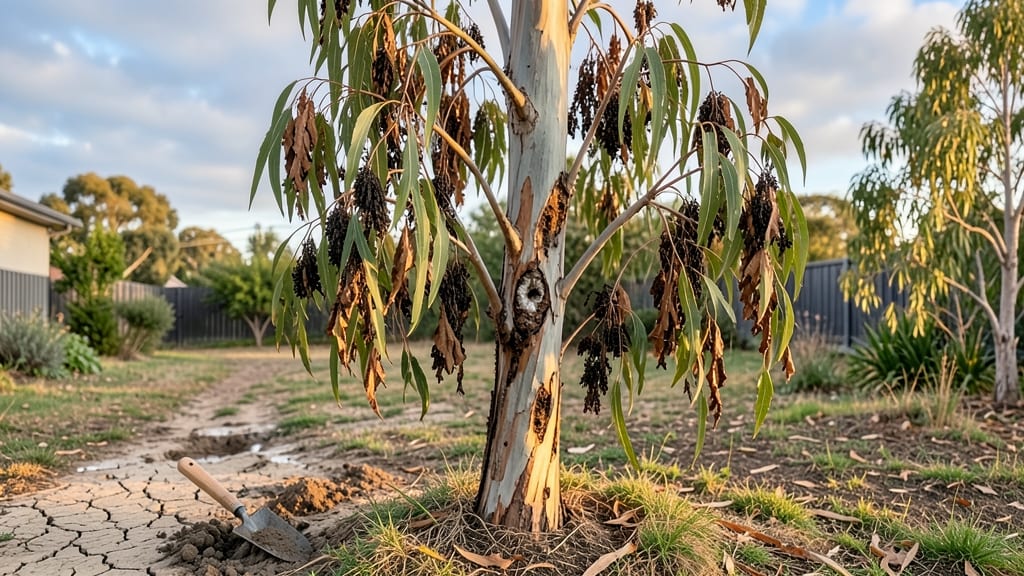
Your eucalyptus tree isn’t beyond saving—even when it looks like a eucalyptus tree death is inevitable. 🌿 I've nursed back more than my share of struggling eucalyptus trees, and the key is catching the problem early before it spirals into full decline.
The good news? Most cases of eucalyptus tree death start with fixable issues like root rot, pest pressure, or environmental stress.
Start by diagnosing the symptoms: yellowing leaves, oozing bark, or sudden leaf drop are your biggest red flags. I learned the hard way that ignoring these signs leads to permanent damage—now I check my trees every 2 weeks during growing season.
The most common culprits are overwatering (which causes root rot), psyllid infestations (those sticky leaves are a dead giveaway), and poor drainage that strangles the roots.
With the right approach, you can turn things around in 4-6 weeks—pruning dead branches, improving soil aeration, and targeting pests with natural sprays. My trees now thrive with just a few seasonal adjustments, and the silver-blue foliage makes the effort worth it.
The secret is acting before the tree's energy gets completely drained.
This method works for both young trees and mature specimens, though larger trees may need more aggressive intervention. Whether you're dealing with a newly planted eucalyptus or a veteran tree that's seen better days, these steps will give it a fighting chance.
Let's get your tree back to its healthy, vibrant self.
📚 In This Guide
- What you need
- Instructions
- Tips and common mistakes
- Wrapping up and next steps
What you need
- ● Pruning shears: Sharp, clean bypass pruners (for small branches, 2–3 inches in diameter). Pro tip: 💡 Sanitize blades with rubbing alcohol to prevent disease spread!
- ● Loppers: Heavy-duty bypass loppers (for branches 3–6 inches thick). Look for ergonomic handles for comfort.
- ● Hand saw or pruning saw: For larger branches (6+ inches). A curved blade works best for eucalyptus.
- ● Gloves: Thick, cut-resistant gardening gloves (eucalyptus bark can be rough!).
- ● Disposable pruning bags or bucket: To collect and dispose of pruned branches (1–2 large bags or a 5-gallon bucket).
- ● Hose with nozzle: For post-pruning watering or cleaning tools.
- ● Rake: A sturdy leaf rake to clear debris from the base of the tree.
- ○ Tree wound sealant (optional but recommended): A high-quality, fast-drying sealant (e.g., Tanglefoot Tree Wound Pruning Seal). ✨ Use sparingly—only on cuts larger than 1.5 inches.
- ● Slow-release fertilizer: A balanced, organic fertilizer (e.g., 10-10-10 or 8-3-9) with micronutrients like iron and manganese. 🌡️ Apply in early spring or fall, following package rates.
- ● Mulch: 2–4 inches of organic mulch (e.g., wood chips or bark). Keep mulch 6 inches away from the tree trunk.
- ○ Drip irrigation system or soaker hose (optional): For consistent watering, especially in drought-prone areas.
- ● Weather check: Pick a dry, overcast day to prune—avoid pruning in extreme heat or wind.
- ● Safety glasses: Protect your eyes from debris.
- ● Long sleeves/pants: Eucalyptus leaves and branches can be abrasive.
- ● Ladder or step stool (if needed): For reaching higher branches. 🎯 Always prioritize safety—never stand on unstable surfaces!
- ● First-aid kit: For minor cuts or scrapes (eucalyptus bark can cause irritation).
How to diagnose and revive a struggling eucalyptus tree
Eucalyptus trees are tough but not indestructible—here’s how to assess and fix common issues before it’s too late.
🌿 Step 1: Assess the Root Cause of Stress
Start by examining the tree’s environment. Eucalyptus thrives in full sun and well-draining soil, so check for these red flags: yellowing leaves often signal overwatering, while crispy edges point to drought. Feel the soil—if it’s soggy more than 2 inches deep, roots are suffocating.
Next, inspect the trunk and branches. Cracks or oozing sap indicate pest damage or disease, while thin, sparse foliage suggests nutrient deficiency. I’ve seen eucalyptus trees recover from overwatering but never from ignored root rot—act fast if the bark feels soft or mushy.
💧 Step 2: Adjust Watering Practices Immediately
Eucalyptus trees despise soggy roots. Water deeply once a week during dry spells, letting the soil dry completely between sessions. Use a moisture meter or your finger—if the top 4-6 inches feel dry, it’s time to water. Avoid shallow sprinkling; instead, direct the hose at the base until water runs out the drainage holes.
If your tree is in a container, ensure the pot has drainage holes and the mix isn’t compacted. I’ve revived stressed eucalyptus by switching to a 50/50 blend of potting soil and perlite, which mimics their native sandy soil. Mulch lightly with 2-3 inches of wood chips to retain moisture without smothering roots.
☀️ Step 3: Optimize Light and Airflow
Eucalyptus needs 6+ hours of direct sunlight daily. If your tree is in shade, move it closer to a sunny window or prune nearby obstructions. Leggy growth or pale leaves mean it’s stretching for light—this is irreversible damage if left unchecked.
Improve airflow by trimming dense branches and spacing plants 10-15 feet apart. Poor circulation invites fungal diseases like powdery mildew, which appears as white, powdery patches on leaves. Prune affected branches with sterilized shears and dispose of them immediately—don’t compost diseased material.
✂️ Step 4: Prune Strategically to Stimulate Growth
Remove only dead, diseased, or crossing branches—never more than 25% of the canopy at once. Cut just above a leaf node (the bump where leaves attach) to encourage new growth. Avoid heavy pruning in summer; eucalyptus bleeds sap, and wounds take longer to heal in heat.
Focus on the tree’s structure: open the center to improve airflow and sunlight penetration. I prune eucalyptus in late winter or early spring, just as new buds form. Seal larger cuts with pruning sealant to prevent disease entry, but skip it for small cuts—the tree’s natural resin will protect them.
🌱 Step 5: Fertilize and Monitor for Recovery
Use a balanced, slow-release fertilizer (10-10-10) in early spring, following label rates. Eucalyptus prefers lean soil, so avoid heavy feeding—too much nitrogen causes weak, floppy growth. Water the soil thoroughly before applying fertilizer to prevent root burn.
Watch for new growth in 4-6 weeks. Healthy eucalyptus produces glossy, dark green leaves and may even flower. If no improvement occurs, test the soil pH—eucalyptus prefers 6.0-7.0. Amend acidic soil with crushed limestone; for alkaline soil, add elemental sulfur. Patience is key; full recovery can take a season or more.
Tips & tricks for reviving a struggling eucalyptus tree
Here’s what nobody tells you about bringing eucalyptus back from the brink—these tricks saved my own struggling specimen.
Soil Test First: Before adjusting anything, grab a soil test kit from your local garden center. Eucalyptus thrives in a pH range of 6.0-7.0, but many common soils run acidic. I’ve seen trees recover completely after a simple limestone amendment—don’t skip this step! The test costs pennies compared to replacing a dead tree.
Watering Timing Matters: The instructions mention watering once a week, but timing is critical. Water in the early morning (before 10 AM) to allow foliage to dry completely by nightfall. Wet leaves overnight create the perfect environment for fungal infections. If you must water in the evening, do it at least 4 hours before sunset.
Pruning Precision: When removing those 25% of branches in Step 4, focus on the innermost branches first—these block sunlight and airflow most severely. Use sharp, sterilized shears to make clean cuts just above a leaf node. I’ve made the mistake of pruning too aggressively in summer, which caused sap bleeding and stress—always wait until late winter or early spring.
Fertilizer Application: That 10-10-10 balanced fertilizer should be sprinkled evenly over the root zone, not just piled around the trunk. Water the soil thoroughly before applying fertilizer to prevent root burn. I’ve had better results using a slow-release granular formula rather than liquid fertilizers, which can wash away too quickly in sandy eucalyptus soil.
Pro Tips for Eucalyptus Tree Death
- Here’s what nobody tells you about bringing eucalyptus back from the brink—these tricks saved my own struggling specimen.
- Soil Test First: Before adjusting anything, grab a soil test kit from your local garden center.
- Watering Timing Matters: The instructions mention watering once a week, but timing is critical.
Frequently asked questions
Why is my eucalyptus tree dying suddenly?
Sudden eucalyptus tree death is often caused by Phytophthora root rot, fungal infections, or environmental stress like drought or poor soil drainage. Check for yellowing leaves, wilting, or blackened stems—these are red flags. Overwatering or compacted soil can also suffocate roots. Act fast with proper drainage and fungicides if needed!
How long does it take to revive a dying eucalyptus tree?
Recovery time varies! Mild stress may show improvement in 4–8 weeks with consistent care (pruning dead branches, adjusting water, and fertilizing). Severe cases (like root rot) could take 6 months to a year or may require removal. Patience and monitoring are key—don’t expect miracles overnight.
Should I water a dying eucalyptus tree more or less?
Eucalyptus trees hate soggy roots! If the soil is waterlogged, reduce watering and improve drainage with sand or gravel. For drought-stressed trees, water deeply 1–2 times per week (depending on climate) and mulch to retain moisture. Never let water pool around the trunk.
Can I save a eucalyptus tree with heavy leaf drop?
Leaf drop is often a stress signal—but it’s not always fatal. Prune 30–50% of dead leaves/branches to reduce strain, then focus on soil health (test pH, add compost). If new growth appears within 2–3 months, your tree’s fighting back! Persistent browning may mean deeper issues like pests or disease.
What’s a good alternative if my eucalyptus keeps dying?
Try these low-maintenance, drought-tolerant trees:
- California Sycamore – Fast-growing, pest-resistant
- Olive Tree – Thrives in poor soil, drought-hardy
- Redwood (Sequoia) – Disease-resistant, long-lived
- Jacaranda – Vibrant blooms, minimal care
Wrapping up and next steps
Don’t let a dying eucalyptus tree dim your landscape—hope is still alive! 🌱 By diagnosing the issue, pruning strategically, and nurturing with care, you can often revive even the most struggling specimens.
Start with one action step today: inspect your tree’s roots, soil, and foliage, then tackle the simplest fix—whether it’s watering, fertilizing, or pruning—before moving to bigger repairs.
Your eucalyptus is resilient—give it the attention it deserves, and it may just thrive again! 🌿 Next step: Grab your tools and roll up your sleeves—your tree’s comeback starts now.